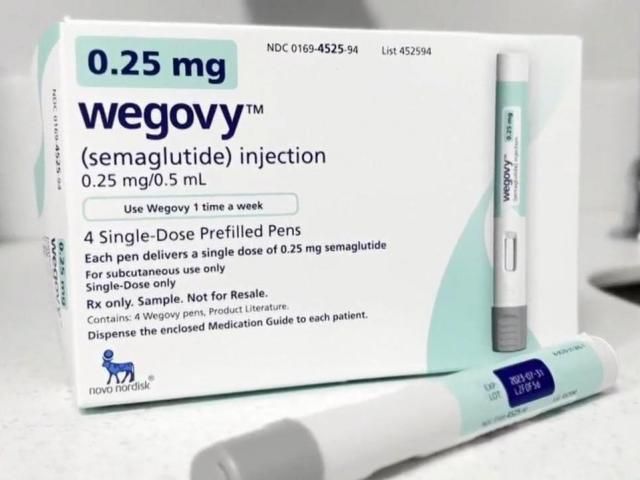
Novo Nordisk launched an oral starter dose of its blockbuster GLP-1 weight-loss drug Wegovy (1.5 mg) at $149/month for cash-pay patients, with other pill strengths rolling out this week (4 mg $149 until April 15 then $199; 9 mg and 25 mg $299), under a recent government pricing agreement; the weekly injection costs $349 for self-pay. The FDA approved the daily pill in December and trials showed roughly similar efficacy to the shot (Wegovy pill ~14% average weight loss at 64 weeks vs. placebo), while rival Eli Lilly’s oral candidate orforglipron (11% at 72 weeks) is expected to seek approval by summer. The oral formulation and lower cash prices should broaden access and could lift uptake but also intensify pricing and competitive dynamics across Novo Nordisk and Lilly.
Market structure: Novo Nordisk (NVO) gains a clearer pricing and access play — lower self-pay pill pricing ($149–$299/mo vs $349 injection) and pharmacy distribution should expand the addressable market and shorten conversion time, supporting volume growth and modestly higher market share over 6–12 months. Direct winners: NVO, retail pharmacies, telehealth distributors; losers: model-dependent injectables, smaller GLP-1 specialists and certain obesity clinics whose revenue mix skews to procedures. Pricing power will face compression pressure as Lilly (LLY) prepares an oral entry priced competitively, shifting future returns from price to scale and payer negotiations.
Risk assessment: Tail risks include an adverse regulatory or safety alert (post-market GI or pancreatic signals) or aggressive payer formulary caps that could cut realised price by >30%—each would materially compress margins. Timeline: immediate sentiment boost (days), measurable prescription volume and sales cadence in 4–12 weeks, and competitive pressure from LLY’s expected approval by summer 2026. Hidden dependencies: real-world adherence (Wegovy pill’s empty‑stomach rule) and manufacturing bottlenecks could limit uptake despite demand.
Trade implications: Tactical long bias to NVO is warranted but size for execution risk — prefer 2–3% long positions and 3–6 month call spreads 5–12% OTM to capture adoption while limiting downside; consider covered-call overlays after a 10–15% rally. Relative-value: long NVO vs short LLY (smaller notional) only if LLY’s orforglipron price/label removes advantages; otherwise avoid outright shorts on LLY given its pipeline. Rotate toward large-cap pharma and retail pharmacy exposure; trim elective obesity-procedure equities by ~15% over 12 months.
Contrarian angles: Consensus assumes pill wins purely on convenience, but dosing constraints (30‑minute fasting) materially reduce adherence versus LLY’s claimed no‑restriction pill — if real-world discontinuation for Wegovy pill exceeds 10% vs peers, market share could flip by end‑2026. The market may underprice payer negotiating leverage: public payers could force step therapy within 12–18 months, capping cash price realisation. Historical parallel: insulin/OEM price pushback shows volume-led growth can be neutralised by rapid reimbursement changes; watch formulary actions closely.
AI-powered research, real-time alerts, and portfolio analytics for institutional investors.
Request DemoOverall Sentiment
mildly positive
Sentiment Score
0.30
Ticker Sentiment
