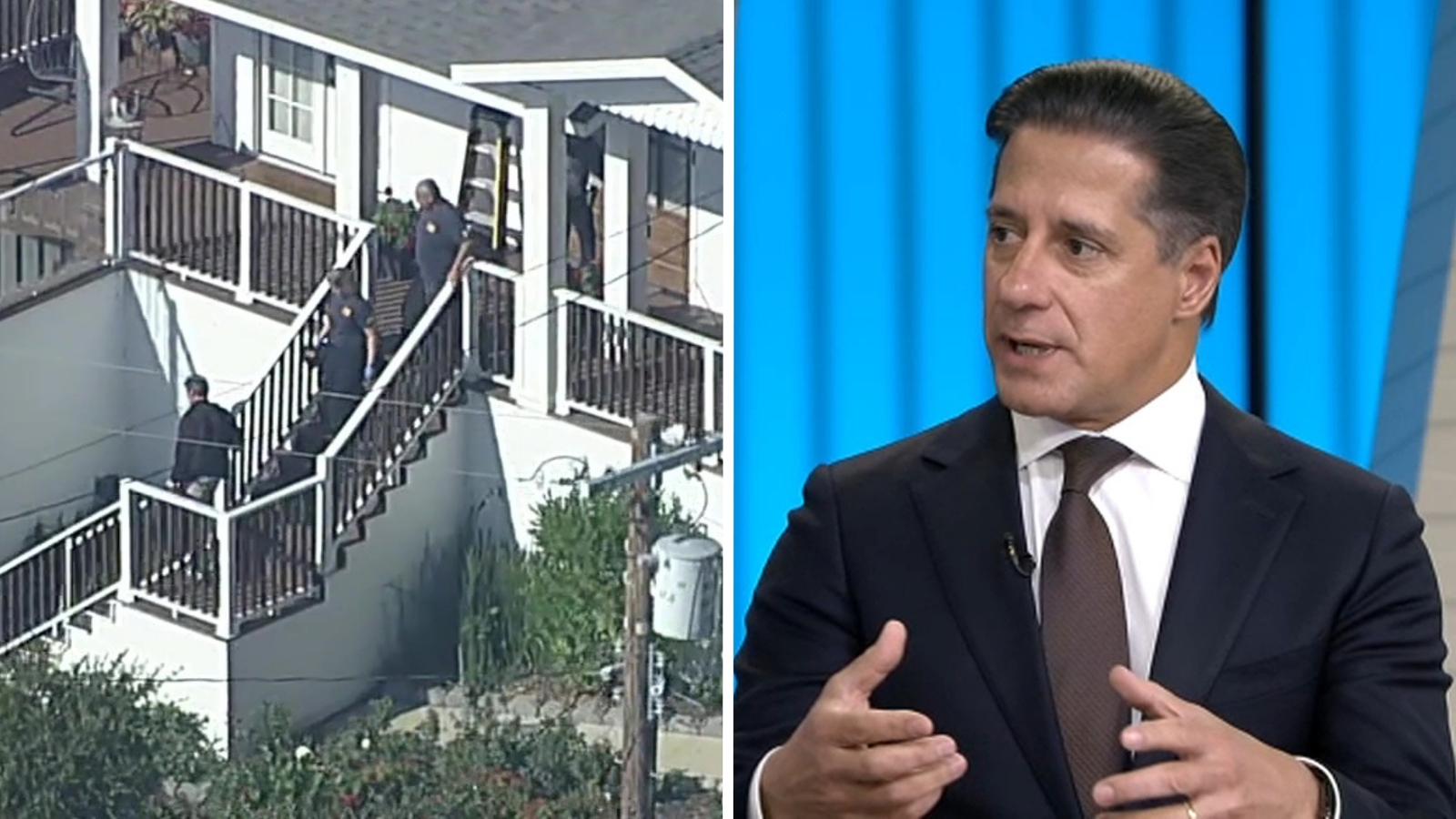
Federal agents served search warrants at Los Angeles Unified School District headquarters and Superintendent Alberto Carvalho’s home, prompting the LAUSD board to adjourn a closed-session deliberation and reconvene the following day; the district says it is cooperating. The FBI also searched a third site near Miami linked to Debra Kerr, who has ties to AllHere — an ed‑tech firm that received nearly $3 million from LAUSD before collapsing and whose leader was later indicted for fraud; Kerr’s bankruptcy filings show a $630,000 claim against AllHere. Sources say the probe centers on alleged white‑collar crime, creating governance and reputational risk for the nation’s second‑largest school district but with limited direct market implications.
Market structure: Immediate winners are large, diversified IT/public‑sector vendors (MSFT, GOOGL, ACN) that will be favoured in procurement as districts seek lower legal/operational risk; losers are small K‑12‑focused edtech vendors and local consultants who derive >30–50% revenue from LAUSD or similar districts, where contract pauses or clawbacks can eliminate quarterly revenue. Procurement repricing favors incumbents and raises switching costs for districts, compressing pricing power and TAM for niche vendors by an estimated 10–25% in the next 3–6 months.
Risk assessment: Tail risks include a vendor‑clawback cascade or prolonged federal probe that triggers LAUSD governance downgrades and a 10–25 bps widening in CA muni spreads (low probability, high impact). Immediate (days): supplier equity volatility and muni repricing; short (weeks–months): contract reviews and paused rollouts; long (quarters–years): potential shift of K‑12 spend to national incumbents. Hidden dependency: political reaction (board firing) could accelerate procurement freezes; catalysts are board vote within 72 hours and any DOJ indictments in 30–90 days.
Trade implications: Tactical plays include small long positions in flight‑to‑quality names (MSFT, GOOGL, ACN) and short/equal‑weighted basket short of small‑cap K‑12 edtechs (market cap < $1bn, >50% K‑12 rev) for 3–6 months. Hedge muni exposure with short protection on MUB (see decisions). Entry: implement within 1–7 trading days; exit or re‑rate after board decision or 30–90 day audit results.
Contrarian angles: Consensus likely overestimates systemic credit risk—historical parallels (local school admin probes) show limited muni defaults; a disciplined 10–25% drawdown in exposed small edtechs could be a buying opportunity once governance clarity arrives. Unintended consequence: a protracted procurement freeze could permanently cull smaller vendors, concentrating future TAM with incumbents—favour long incumbents and selective dip buys after any >15% selloff in quality names.
AI-powered research, real-time alerts, and portfolio analytics for institutional investors.
Request TrialOverall Sentiment
moderately negative
Sentiment Score
-0.35
