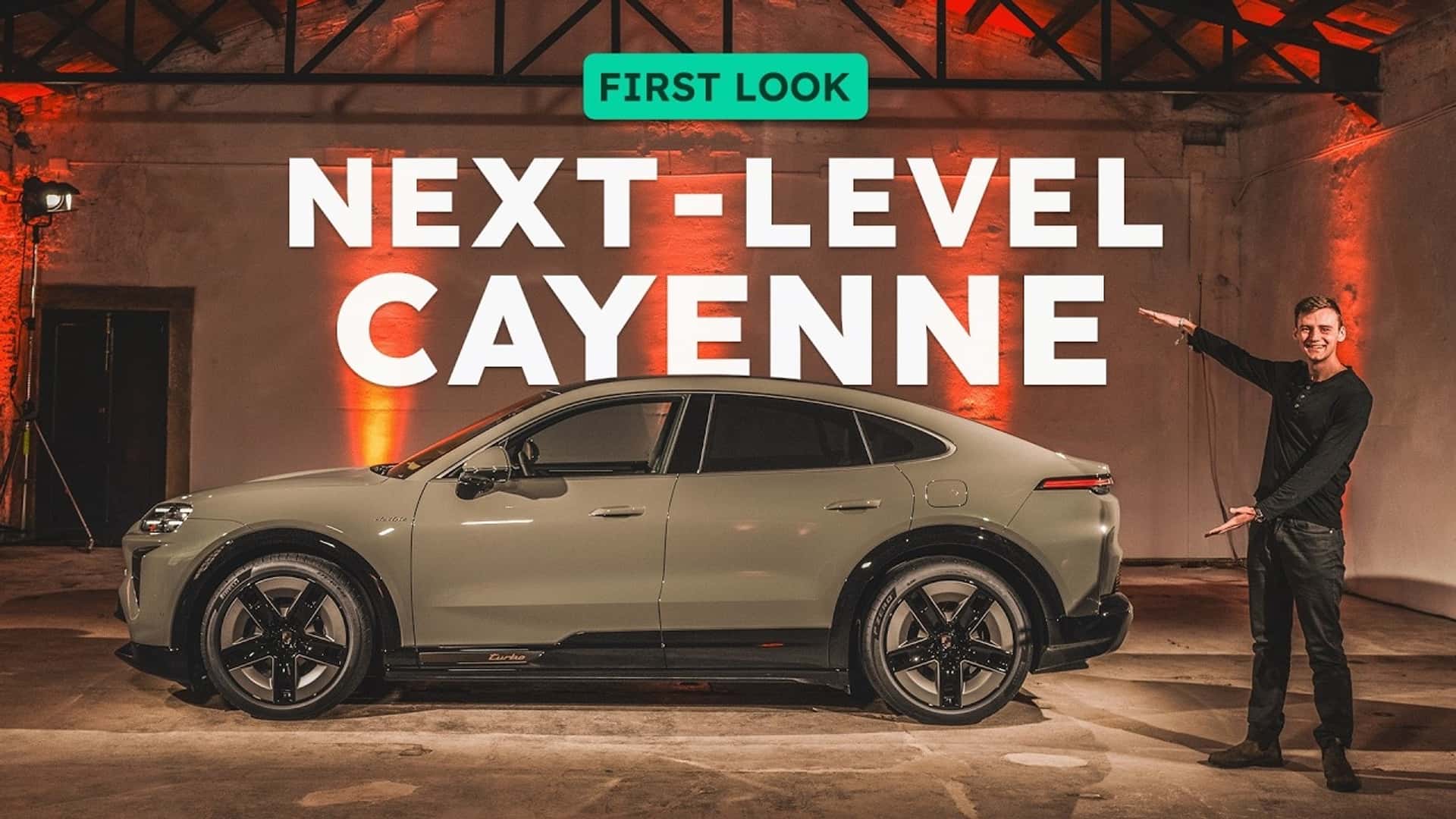
Porsche debuted the Cayenne Coupe Electric with up to 1,156 horsepower, making it the most powerful production Porsche ever and one of the fastest EV SUVs at 0–62 mph in about 2.5 seconds. The 800V platform supports charging from 10–80% in roughly 16 minutes, and pricing is expected to start around €110,000 with first deliveries in summer 2026. The launch reinforces Porsche’s EV strategy, but the near-term market impact should be limited because this is a product announcement rather than a financial update.
This is less about one halo SUV and more about Porsche proving it can preserve brand elasticity while moving up the EV curve. The key second-order signal is that the premium EV segment is becoming a software-and-charge-speed arms race: if Porsche can sell a heavier, high-priced electric SUV that still feels “special,” the competitive pressure shifts toward legacy luxury OEMs that lack both charging architecture credibility and chassis tuning reputation. That should modestly support supplier names tied to 800V power electronics, thermal management, and high-voltage battery subsystems rather than the automaker equity itself.
The most important near-term implication is mix, not unit volume. Porsche is likely to use this launch to defend margin by steering customers toward higher-trim, higher-content Coupe variants, which can offset EV pricing pressure and help justify the brand’s premium positioning even as battery costs remain sticky. The risk is that the market extrapolates halo-product enthusiasm into broad EV demand strength; in reality, sub-20-minute fast charging and 1,100+ hp headline specs matter mainly at the top end, where willingness to pay is least elastic.
For Ford, the read-through is mixed: the article reinforces that traditional OEMs with weaker software-defined vehicle architectures are now competing against a benchmark that is as much user-experience as drivetrain. That widens the gap between “compliance EVs” and aspirational EVs, which is negative for mass-market OEMs trying to monetize EVs without premium branding. The contrarian view is that Porsche’s success may actually compress the addressable market for ultra-expensive EV SUVs over time; once the novelty wears off, these vehicles risk becoming margin-rich but volume-light.
Catalyst timing matters: this is a 6-18 month sentiment event, not a near-term earnings driver for Ford. The real test will be first deliveries in summer 2026, where order conversion and regional mix will reveal whether this is a genuine demand inflection or just another high-spec launch that pulls forward enthusiast demand without changing the broader EV adoption curve.
AI-powered research, real-time alerts, and portfolio analytics for institutional investors.
Request DemoOverall Sentiment
strongly positive
Sentiment Score
0.72
Ticker Sentiment
