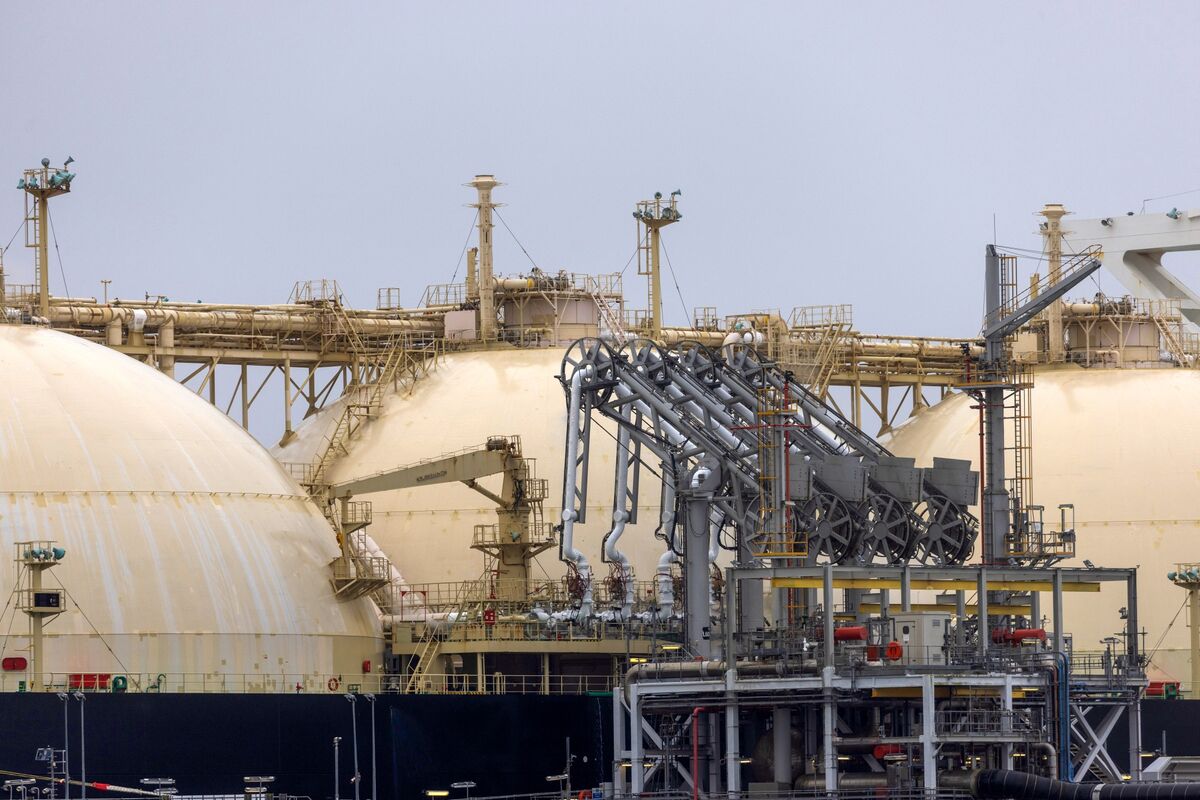
Shell expects global LNG supply to be flat in 2026 (0% y/y) after a decade of growth, citing Middle East conflict and potential continued closure of the Strait of Hormuz. The report says LNG supply could contract annually if the Hormuz disruption persists, curbing about a fifth (~20%) of global exports. The outlook is conditional on Hormuz reopening this summer, keeping energy market risk elevated.
The market mechanism here is not simply a short-lived gas spike; it is a regime shift from “volume growth” to “scarcity optionality.” That tends to re-rate the handful of businesses with flexible destination rights, spare liquefaction exposure, or trading books that can monetize dislocations, while compressing margins for import-dependent utilities and industrials that cannot pass through fuel costs quickly.
Shell is a nuanced name: volatility helps its trading desk, but the stock usually gives back that benefit if the physical disruption is judged temporary. If the Strait normalizes within weeks, LNG equities should trade more on spot-spread reflexivity than on fundamental earnings, but if the chokepoint remains constrained into the summer, the second-order effect is higher contract renewals, tighter charter markets, and a more durable premium for US Gulf exporters and LNG shipping capacity.
The contrarian risk is that consensus may be overpricing permanence. A reopening would likely mean a fast mean reversion in JKM/TTF and a sharp unwind in anything levered to LNG scarcity; the more important 6-18 month effect is whether this episode delays FIDs and raises the hurdle rate for future supply, which would support existing asset owners even after spot prices settle. NGS looks too indirect for a clean trade unless higher gas prices translate into a visible drilling/compression upcycle.
AI-powered research, real-time alerts, and portfolio analytics for institutional investors.
Overall Sentiment
mildly negative
Sentiment Score
-0.35
Ticker Sentiment
