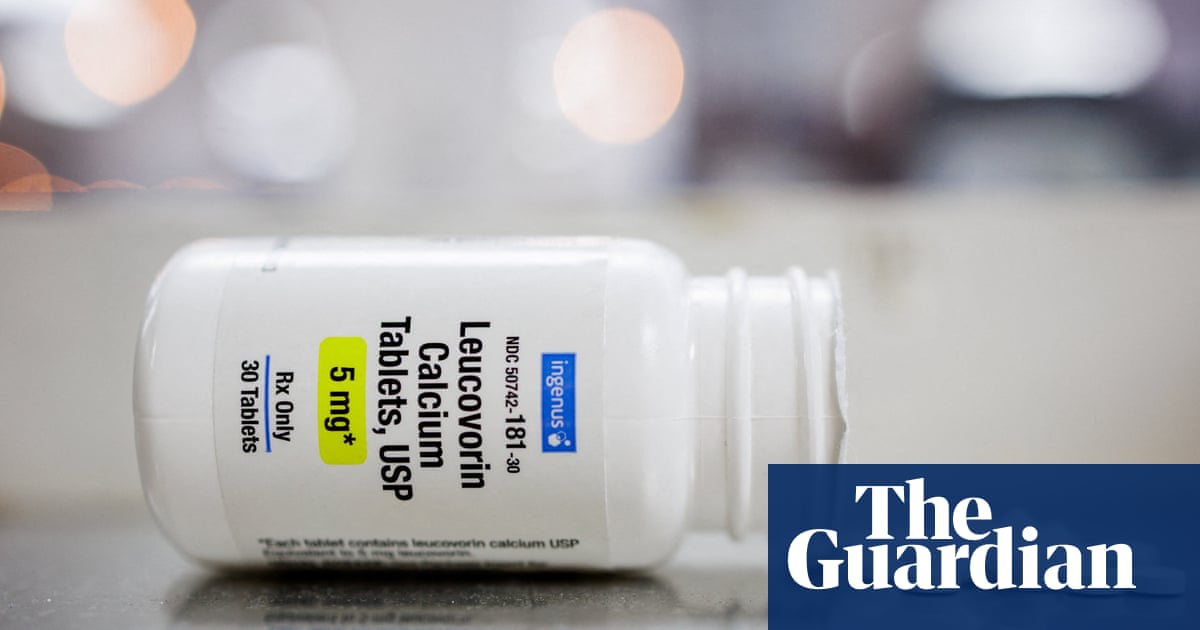
The Trump administration's FDA approval of generic leucovorin for autism treatment has sparked controversy, as it reportedly circumvented the agency's standard rigorous clinical trial process, relying instead on a literature review. While the FDA justified the approval for cerebral folate deficiency, a condition linked to autism, health experts expressed 'shock,' citing preliminary studies, the potential for 'false hope,' and the unprecedented lack of dosage guidelines. This departure from established regulatory protocols raises significant concerns regarding drug approval precedents and the scientific rigor underpinning new therapies for complex conditions like autism.
The U.S. Food and Drug Administration (FDA) has approved generic leucovorin for autism, a decision that represents a significant and controversial departure from its established regulatory protocols. The approval bypassed the standard rigorous and lengthy clinical trial process, relying instead on a literature review from 2009-2024. This action has been met with shock and criticism from health experts, who label the existing research as 'very preliminary' and warn of creating 'false hope.' The scientific basis for the approval is narrow; it targets cerebral folate deficiency (CFD), a condition only sometimes associated with autism and not present in the majority of cases. A critical red flag is the unprecedented lack of dosage recommendations or safety guidelines, which industry experts note is highly unusual for any drug approval. While there is evidence of long-standing off-label use, the official approval of a generic drug under these circumstances introduces significant uncertainty into the regulatory landscape, potentially lowering the barrier for future approvals but also increasing risks related to efficacy and safety.
AI-powered research, real-time alerts, and portfolio analytics for institutional investors.
Overall Sentiment
strongly negative
Sentiment Score
-0.70
Ticker Sentiment
