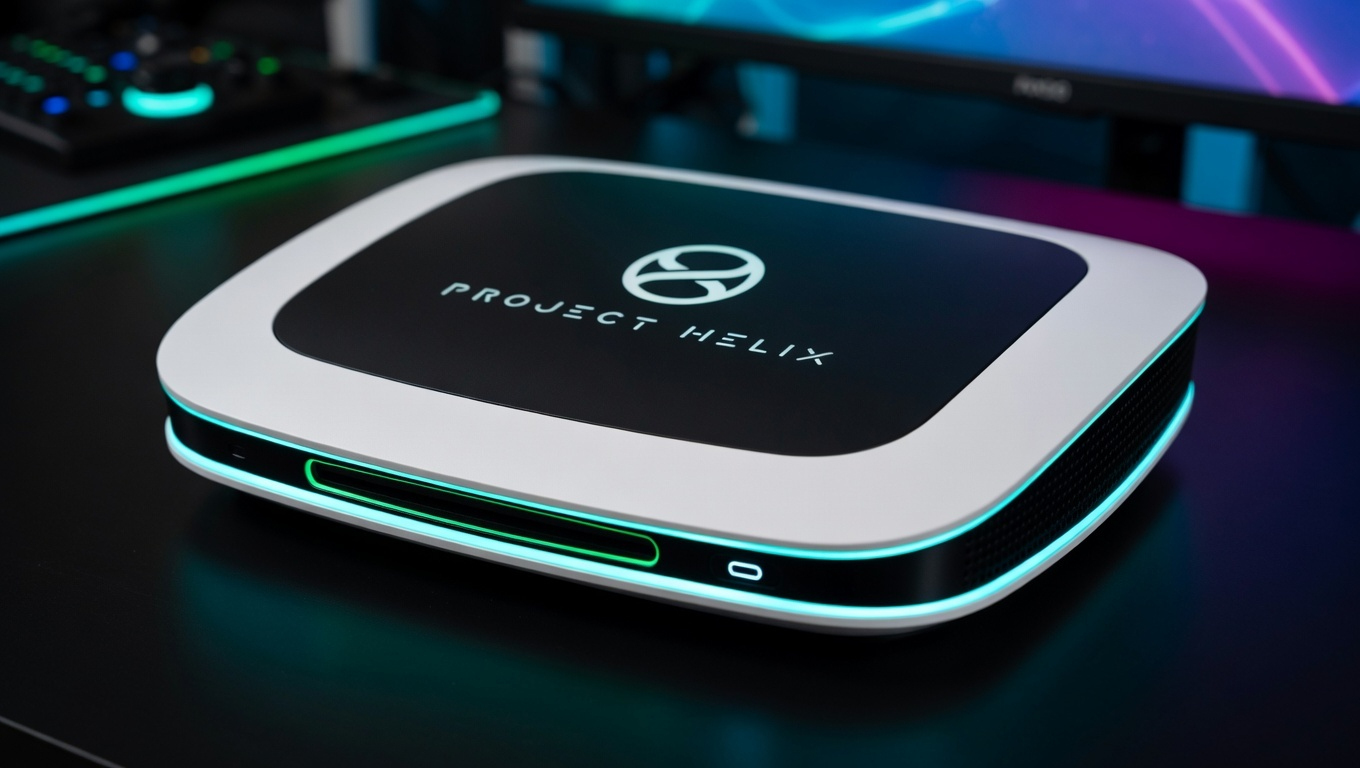
Microsoft says rising RAM costs will affect both pricing and availability for Xbox Project Helix, creating a meaningful headwind to the console's affordability strategy. Asha Sharma said the company is not ready to share a launch timeline, but development kits are expected to begin shipping in 2027. The comments reinforce uncertainty around a 2027-2028 launch window and suggest memory inflation could pressure the eventual price tag.
The key market read is not that Xbox hardware gets pricier; it’s that console pricing is now a function of AI-capex spillover, which turns what used to be a predictable consumer-electronics cycle into a margin-and-availability lottery. That creates a hidden beneficiary set upstream: memory vendors and select equipment names gain pricing power if AI demand keeps absorbing wafer output, while consumer device OEMs face a longer period of gross-margin compression and less promotional flexibility. For Microsoft, the strategic risk is that a premium console loses its historical role as a mass-market adoption engine and becomes more of a halo product, which could slow ecosystem expansion even if unit economics are protected.
The second-order effect is on launch timing. If memory inflation persists into the next 2-4 quarters, Microsoft has an incentive to delay broad launch rather than subsidize hardware, especially if it can lean on content and PC compatibility messaging while development kits seed the software pipeline. That favors a staggered rollout: limited supply at launch, elevated street prices, and a longer period before meaningful attach-rate contribution shows up in the numbers. The bigger risk for bulls is not just a higher MSRP, but weaker early sell-through that forces Microsoft to choose between margin and momentum.
Consensus is probably underestimating how long the AI-memory tightness can last because the market keeps treating it as a temporary input-cost spike. If hyperscaler and OEM demand stay synchronized, memory pricing can remain elevated through the console launch window, making any “affordable” positioning hard to execute without either lower specs or lower initial margin. AMD’s relative exposure is mildly positive because any delayed or constrained launch still leaves it with an incremental design-win narrative, but the larger benefit accrues to suppliers with real pricing leverage, not to the platform owner trying to absorb it.
Near term, the catalyst path is not the launch itself but any guidance on kit shipments, BOM assumptions, or holiday pricing commentary over the next 3-9 months. Watch for a broader read-through to consumer hardware: if Microsoft blinks on price, other OEMs will likely follow, validating a higher-for-longer component-cost regime. If memory spot prices roll over, the setup reverses quickly and reopens the window for a more aggressive launch strategy.
AI-powered research, real-time alerts, and portfolio analytics for institutional investors.
Request DemoOverall Sentiment
mildly negative
Sentiment Score
-0.25
Ticker Sentiment
