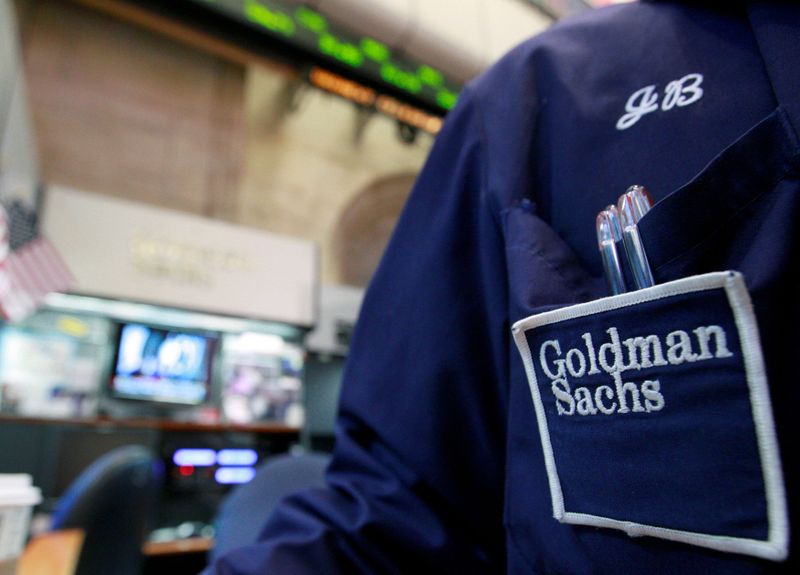
Goldman Sachs downgraded Best Buy to Sell from Neutral and cut its price target to $59, citing margin pressure from higher memory costs after Q1 and potential volume declines. The analyst warned that appliance and consumer electronics weakness could weigh on revenue and that negative earnings revisions may emerge in the second half of the year. Best Buy shares fell 4% on the downgrade.
The real issue here is not the headline downgrade itself, but the timing mismatch between near-term demand support and a second-half margin reset. BBY looks like a classic low-quality consumer discretionary name where a temporary boost in replacement cycles can mask an impending gross margin squeeze, because input inflation usually hits slower-moving retailers after the sell-through bump fades. That creates a short window where reported comps can still look acceptable while forward estimates begin to roll over, which tends to be when sell-side revisions become the real catalyst. The second-order effect is broader than BBY: if component inflation forces laptop/PC sticker prices higher, the pain is likely to show up first in unit elasticity rather than absolute revenue. That means weaker demand for mid-tier consumer electronics, worse inventory turns, and more promotional pressure from competitors with broader SKU exposure or better private-label mix. Vendors upstream may protect their own margins by rationing supply or prioritizing higher-ASP channels, which would further disadvantage a retailer like BBY that depends on traffic conversion and attachment sales. From a timing standpoint, the setup is a months-long earnings-revision trade rather than an immediate collapse trade. The stock can grind higher on any macro relief, but once the market starts looking past the next quarter, the path of least resistance is down because the margin story is more fragile than the top-line story. The key risk to the bearish view is an abrupt easing in component costs or a renewed upgrade cycle that pulls demand forward, but absent that, the downgrade likely marks the beginning of multiple compression rather than the end of it. The contrarian angle is that BBY may already be pricing in a lot of bad news on a trailing basis, so outright shorting into a one-day downgrade move is suboptimal. The cleaner expression is to fade the name only if the post-hype rally fails and estimates continue drifting lower, because the stock can stay cheap longer than expected if consumers remain stubbornly resilient. In other words, this is less about peak pessimism and more about the underappreciated lag between cost inflation and earnings revisions.
AI-powered research, real-time alerts, and portfolio analytics for institutional investors.
Request DemoOverall Sentiment
moderately negative
Sentiment Score
-0.45
Ticker Sentiment
