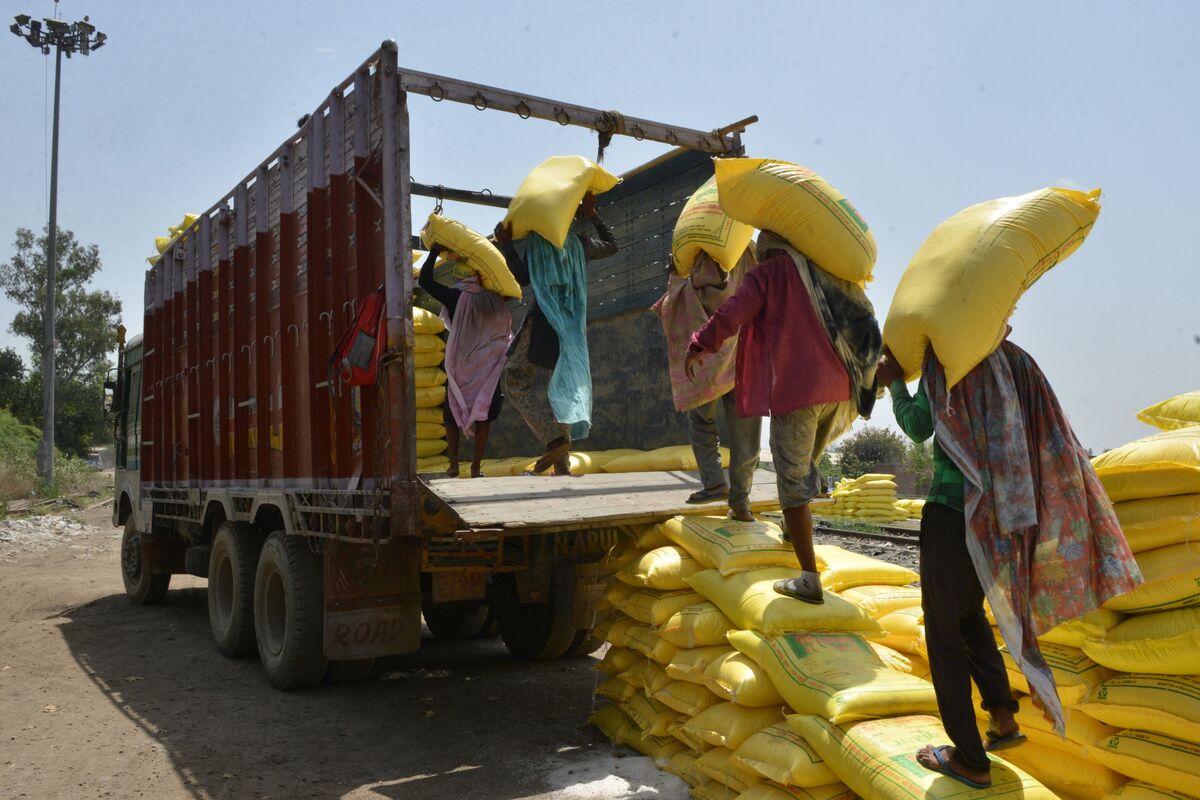
India has tendered to import 1.7 million tons of urea ahead of monsoon sowing, including 900,000 tons via the west coast and the remainder via the east coast, with shipments due to leave by July 20. The move reflects supply disruption from the Middle East conflict, which has affected gas availability for domestic fertilizer production. The news is modestly negative for domestic input security and highlights ongoing sensitivity in global fertilizer supply chains.
This is a near-term input-cost shock for Indian agriculture, but the bigger market signal is about gas diversion risk rather than fertilizer demand itself. When a country with structurally subsidized farm inputs accelerates procurement ahead of the monsoon, it usually means domestic production is becoming unreliable faster than policymakers can smooth it, which shifts pricing power to seaborne urea and upstream gas-linked fertilizer exporters. The first-order beneficiaries are low-cost producers with spare exportable tons; the second-order loser is any gas-sensitive domestic ammonia/urea capacity in Asia that was counting on stable feedstock availability through the sowing window. The duration matters: this is a days-to-weeks logistics event for importers, but a months-long margin event for global urea if Middle East gas disruptions persist into peak Indian buying season. Spot urea can gap hard on perceived scarcity, yet the more durable trade is in shipping and freight optionality, because routing volume to both coasts tightens vessel availability and raises the cost of flexible supply chains. Watch for India to become less price-sensitive if monsoon timing is tight; that tends to pull marginal tons from Southeast Asia, North Africa, and the Black Sea rather than creating an immediate demand destruction response. Contrarianly, the market may be underestimating how quickly this can reverse if regional gas flows normalize or if India leans on alternative nitrogen sources and inventory drawdown. The demand pull is real, but it is not structurally bullish unless supply disruption extends beyond the current planting cycle. A failed monsoon or a policy shift on subsidies would matter more for medium-term fertilizer pricing than this tender alone.
AI-powered research, real-time alerts, and portfolio analytics for institutional investors.
Request DemoOverall Sentiment
mildly negative
Sentiment Score
-0.15
