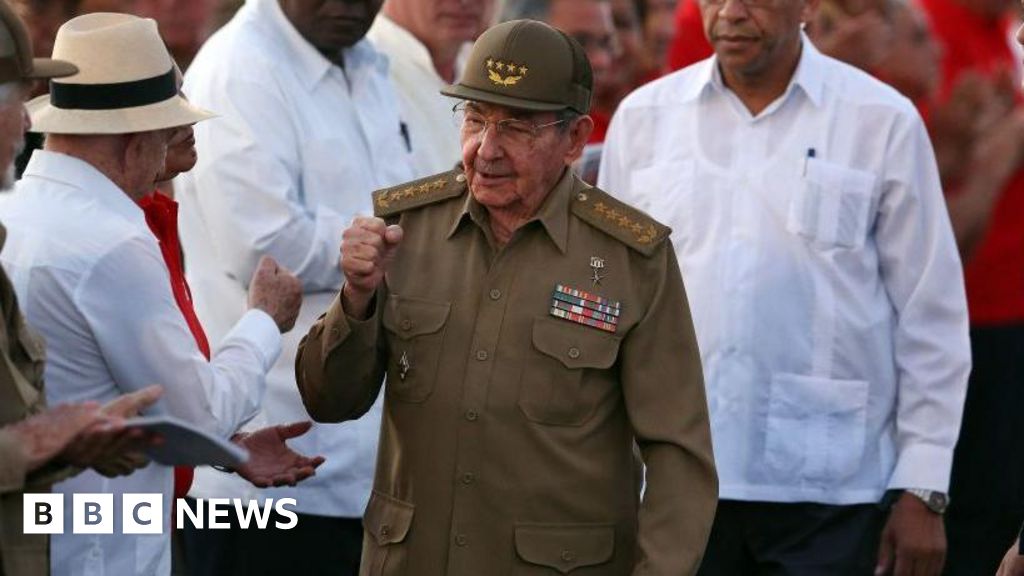
China condemned US pressure on Cuba after Washington indicted former Cuban leader Raúl Castro over the 1996 shootdown of two planes that killed four people. The article highlights escalating US sanctions, a blockade on oil shipments, and renewed threats from the Trump administration, all of which intensify geopolitical tension around Cuba. Market impact is likely limited but negative for Cuba-linked risk sentiment and broader US-China diplomatic relations.
This is less about Cuba per se than about the widening of the US-China contest into the Western Hemisphere’s weakest sovereign credit and most sanctions-sensitive logistics node. Beijing’s public defense of Havana increases the odds of more Chinese policy support, but the bigger market signal is that Washington is comfortable using legal and financial pressure in parallel with energy restrictions, which raises the probability of intermittent supply shocks rather than a clean regime-change path.
The immediate economic loser is Cuba’s already fragile hard-currency balance sheet: tighter oil access, banking friction, and trade finance stress can cascade into sharper import compression, longer blackouts, and weaker tourism receipts over the next 1-3 quarters. Second-order effects matter more for regional counterparties than for Cuba itself — Caribbean shipping, insurers, and any EM lender with indirect exposure to Cuban or Venezuelan trade flows face more compliance risk, while Chinese SOEs involved in infrastructure may see delayed payments or project repricing if sanctions broaden.
The key tail risk is escalation through the energy channel. If the US continues constraining fuel flows while China steps up support, Havana may lean harder on opaque intermediaries and higher-cost financing, increasing the odds of secondary-sanctions headlines that hit banks and shipping names before any macro asset repricing. The contrarian view is that this may be more rhetoric than structural shift: the US has limited appetite for a broad embargo escalation that would destabilize migration politics, so the most likely path is noisy headlines with limited durable market beta unless sanctions expand to third-country facilitators.
From a timing standpoint, the tradeable window is days-to-weeks around any new sanctions package or Chinese retaliatory signaling, not a multi-quarter macro theme. The risk/reward is best expressed through optionality in the most politically exposed intermediaries, not outright sovereign directional bets.
AI-powered research, real-time alerts, and portfolio analytics for institutional investors.
Request DemoOverall Sentiment
mildly negative
Sentiment Score
-0.20
