
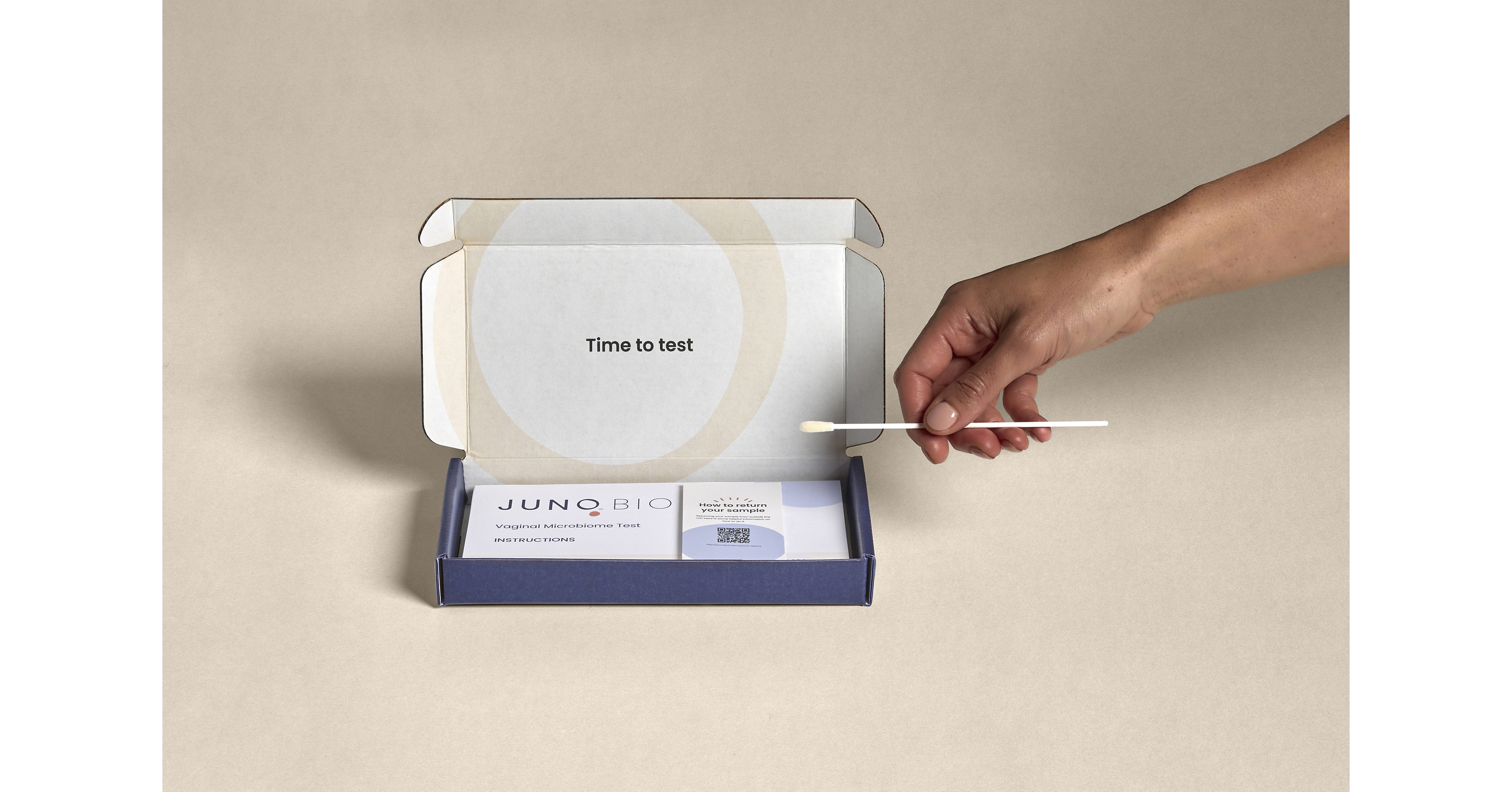
Juno Bio opened its first women’s-health sequencing lab in Oakland and raised $3.8M to scale clinically actionable vaginal microbiome (and STI) testing. The CLIA-certified test analyzes ~10,000 bacteria/fungi plus four common STIs and is physician ordered/reviewed; management cites a reduction in incorrect prior diagnoses (67.5% misdiagnosed before testing) and only 13% successfully treated. While not a public-market catalyst, the funding and lab build-out support ongoing expansion across 46 states and planned growth.
This is a validation event for clinical sequencing, not a revenue event for ILMN. The economically important signal is that a niche, symptom-driven use case is moving from consumer education into a CLIA workflow, which could support long-run consumables pull-through and make multi-omics look more reimbursable over time. Near term, that is mostly sentiment alpha: the addressable dollars are too small to move ILMN fundamentals in the next 1-2 quarters.
The bigger second-order effect is competitive pressure on conventional OB/GYN diagnostic pathways. If clinicians begin trusting broader sequencing-based panels for recurrent or unclear infections, some volume can leak from legacy pathogen testing and empiric treatment, but adoption will depend on payer coverage and guideline incorporation, which is a 12-24 month process. Until then, the private company captures the data moat; public sequencing suppliers get only a modest ecosystem halo.
Risk is that this remains a narrow, overpromoted category with poor reimbursement and noisy clinical utility. The thesis would be falsified if management commentary at ILMN shows no uplift in clinical sequencing demand, or if payers/OB-GYN groups continue to treat microbiome-based diagnostics as experimental. Conversely, a reimbursement win or published outcome data would matter far more than this lab-launch headline.
AI-powered research, real-time alerts, and portfolio analytics for institutional investors.
Overall Sentiment
mildly positive
Sentiment Score
0.35
Ticker Sentiment
