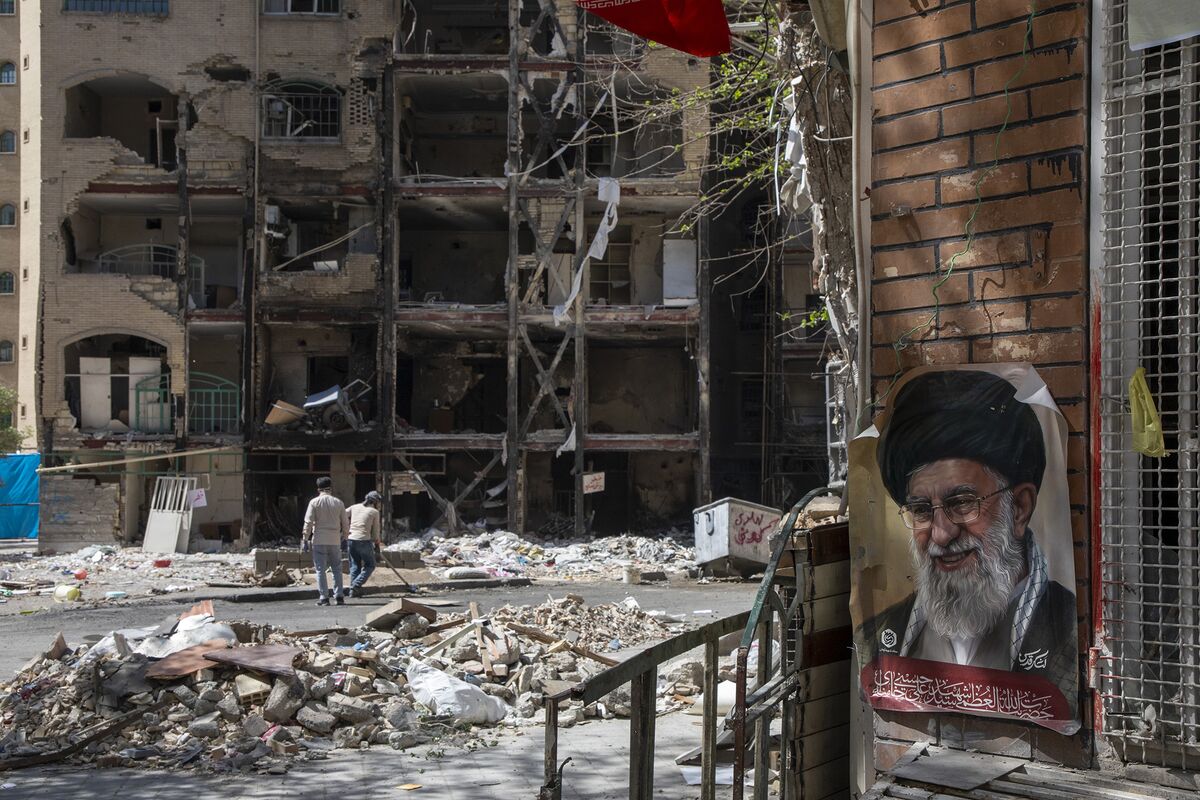
The article discusses how the war in Iran could disrupt global financial flows, energy markets, and reserve management, with potential knock-on effects for the US dollar and Gulf-state business conditions. It highlights uncertainty around a possible tollbooth at the Strait of Hormuz and accelerating shifts away from oil, while also noting East Asia faces higher energy import bills even as it benefits from the AI chip boom. The piece is primarily analytical, but the geopolitical shock has meaningful market-wide implications.
The market is likely underestimating how quickly a Middle East shock can reprice the USD through the balance-of-payments channel rather than the old “safe-haven bid” lens. If Gulf capital becomes more cautious about U.S. exposure while energy importers in Asia are forced to pay up simultaneously, the net effect is not just higher oil inflation but a sharper recycling mismatch into dollar assets. That matters because the dollar’s support in prior energy shocks came from petrodollar recycling; if confidence in the Gulf’s business environment deteriorates, the recycling engine weakens even if trade invoicing remains dollar-based.
The bigger second-order winner may be EM Asia’s exporters tied to AI capex, not energy itself. A higher import bill is a tax on domestic demand, but chip and hardware exporters with USD revenue can partially offset that via stronger external balances, meaning the region can split into “commodity losers / AI winners” inside the same macro shock. That divergence argues for relative trades rather than blanket EM shorts.
The cleanest setup is a volatility regime shift in FX and rates, not a directional call on oil. If the conflict stays localized, the market will fade the move in 2-6 weeks; if shipping insurance, Strait-of-Hormuz friction, or Gulf asset flight emerges, the pressure becomes a months-long portfolio reallocation story. The consensus likely overweights immediate crude scarcity and underweights capital-flow disruption, which is the slower but more durable driver.
The contrarian risk is that a fast ceasefire or containment can unwind the “de-dollarization” narrative entirely, leaving only a short-lived energy spike. In that case, the best trades are the ones with convexity and defined downside, because spot oil can mean-revert faster than reserve managers reallocate. The signal to watch is not just Brent, but Gulf CDS, FX basis, and whether Asian sovereigns step in as incremental buyers of U.S. duration or diversify away from it.
AI-powered research, real-time alerts, and portfolio analytics for institutional investors.
Request DemoOverall Sentiment
mildly negative
Sentiment Score
-0.15
Ticker Sentiment
