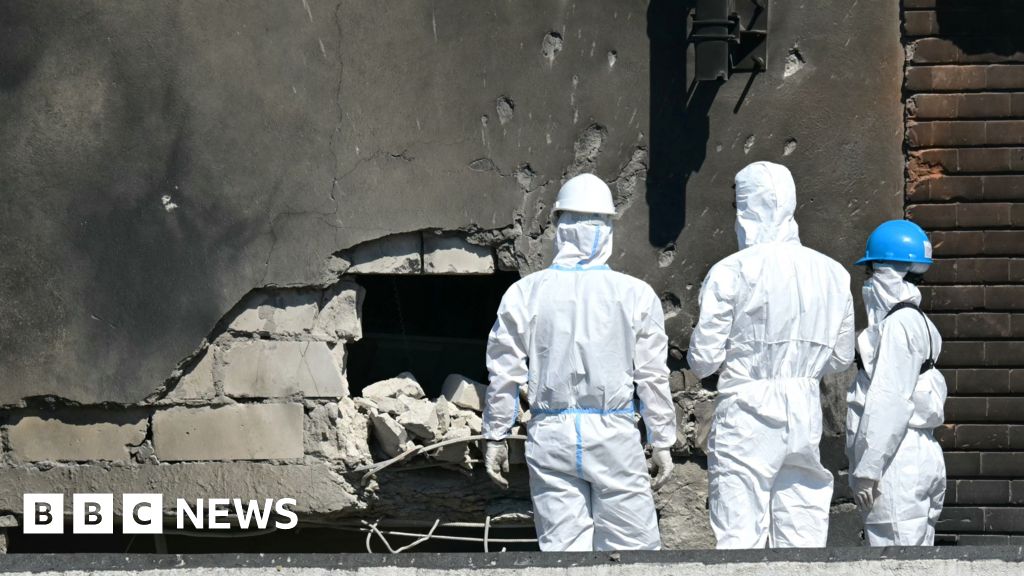
A Russian attack drone struck an apartment block in Galati, Romania, causing a fire, roof damage, and injuring two people, marking the most serious such incident in Romania since 2022. Romania and its Nato allies condemned the incident as reckless, while Bucharest rejected invoking Article 4 and instead shut a Russian consulate in Constanta as a warning. The event heightens escalation risk on Nato's eastern flank and underscores pressure for faster air-defense and drone-capability upgrades.
This is a classic escalation-shaping event rather than a one-off headline risk: once an air-defense failure becomes visible inside a NATO/EU city, the market implication is a higher probability of persistent “gray-zone” pressure on the alliance’s eastern flank. The second-order effect is not just more defense spending; it is a repricing of the credibility gap between political guarantees and physical protection, which tends to accelerate procurement decisions, munitions replenishment, and counter-UAS spending over the next 3-12 months.
The immediate beneficiary set is narrower than “defense” broadly. Counter-drone systems, short-range air defense, radar, electronic warfare, and airbase protection should see the sharpest budget priority because they address the specific failure mode exposed here. Less obvious winners are European industrials with Romania/NATO exposure and firms tied to munitions, interceptors, and layered air defense integration; losers are transport, logistics, and insurers with assets or routes near the Danube/Black Sea corridor, where even small probability increases can raise premiums and contingency costs.
The bigger macro read-through is that sanctions alone are becoming a less credible deterrent if the adversary can externalize risk onto border states without triggering direct retaliation. That raises the odds of more aggressive export controls, faster EU defense procurement, and pressure for dual-use restrictions on components that support drone production and guidance systems. The main reversal catalyst is not diplomacy but effective interception plus visible alliance reinforcement; absent that, these incidents likely recur over a multi-month window and keep eastern European risk premia elevated.
Contrarian view: the market may overestimate immediate NATO escalation risk and underestimate the lag between political outrage and actual budget execution. That means the trade is better expressed through suppliers of urgent, modular capabilities than through a broad geopolitical hedge. If the incident remains contained diplomatically, the underappreciated opportunity is in defense names with near-term order book conversion rather than in broad equity index protection.
AI-powered research, real-time alerts, and portfolio analytics for institutional investors.
Request DemoOverall Sentiment
strongly negative
Sentiment Score
-0.80
