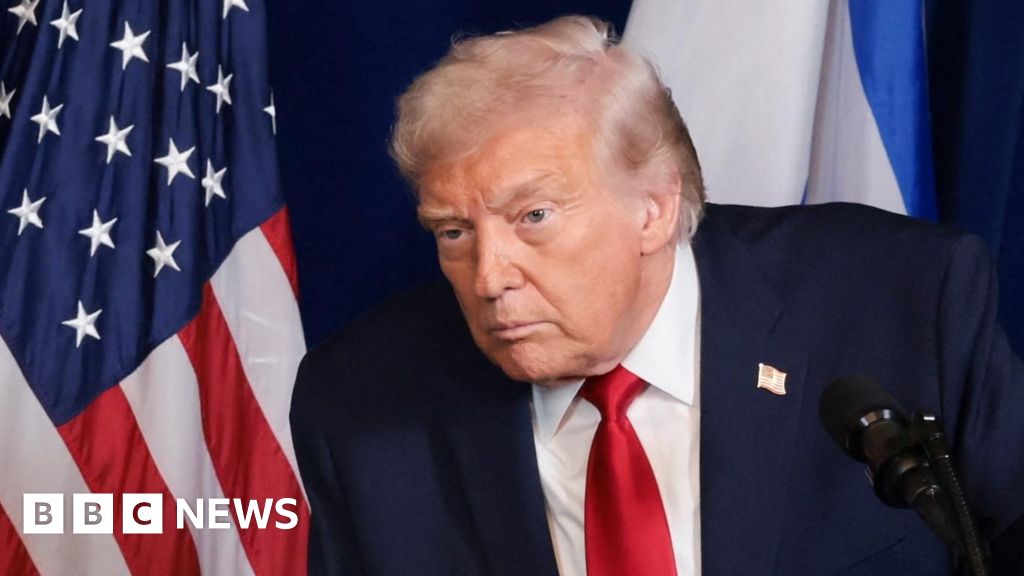
The US has conducted a strike on a dock area linked to alleged Venezuelan drug-smuggling boats, according to President Trump, though location and operational details remain unconfirmed; this follows a campaign since September targeting more than 20 vessels (mostly tied to Venezuela) that US authorities say has killed at least 100 people. The administration has deployed ~15,000 troops and multiple major naval assets, including the USS Gerald Ford, and recently seized an oil tanker off Venezuela, raising risks of further escalation, sanctions pressure, and political instability for Maduro’s government — developments that could pressure Venezuelan assets, regional EM risk premia and energy market sentiment if the situation widens.
Market structure: Immediate winners are US defense contractors and aerospace/defense ETF holders (pricing power for contractors like LMT, NOC, RTX) and energy producers with spare US shale capacity; losers are Venezuelan-linked oil buyers, regional shipping/insurance and EM sovereign credit (expect 50–150bps CDS widening for small EMs). The US force deployment and covert strike ambiguity favors explicit defense spending reallocation and higher marine insurance premia, tightening supply for certain maritime routes and raising short-term freight costs by a few percentage points. Risk assessment: Tail risks include a larger kinetic escalation (ground action or tanker attacks) that could lift WTI >$25+/barrel from current levels within weeks and trigger a global risk-off; probability low but impact high. Time horizons: days—risk-off flows to USD, TLT, gold; weeks–months—outperformance in defense and energy; quarters—dependant on US election policy and sanctions permanence. Hidden dependencies: covert op opacity increases volatility; a Maduro response or third‑party proxy attacks are key catalysts. Trade implications: Favor overweight aerospace/defense (3–6 month horizon) and tactical energy exposure while shorting EM beta and travel/shipping names; protect equities with index tail hedges. Use options to express convexity: buy 3-month call spreads on defense ETF and 1–3 month call spreads on crude while funding via short EEM or LATAM FX forwards. Entry window: within next 5 trading days; exit rules: take profits if VIX >25 or WTI >$90, cut if diplomatic de‑escalation confirmed within 10 trading days. Contrarian angles: Consensus overstates sustained oil shock risk because Venezuelan production is a fraction of global supply and US strategic stocks buffer shortfalls—short oil volatility after 6–12 weeks if no further escalation. Defense stocks may already price much of a one‑off deployment; prefer options (buy calls) over large cap stock outrights to limit downside. Watch for unintended cost inflation in shipping that could depress global trade volumes and EM earnings, creating a mean‑reversion trade in risk assets if the episode remains geographically contained.
AI-powered research, real-time alerts, and portfolio analytics for institutional investors.
Request DemoOverall Sentiment
moderately negative
Sentiment Score
-0.45
