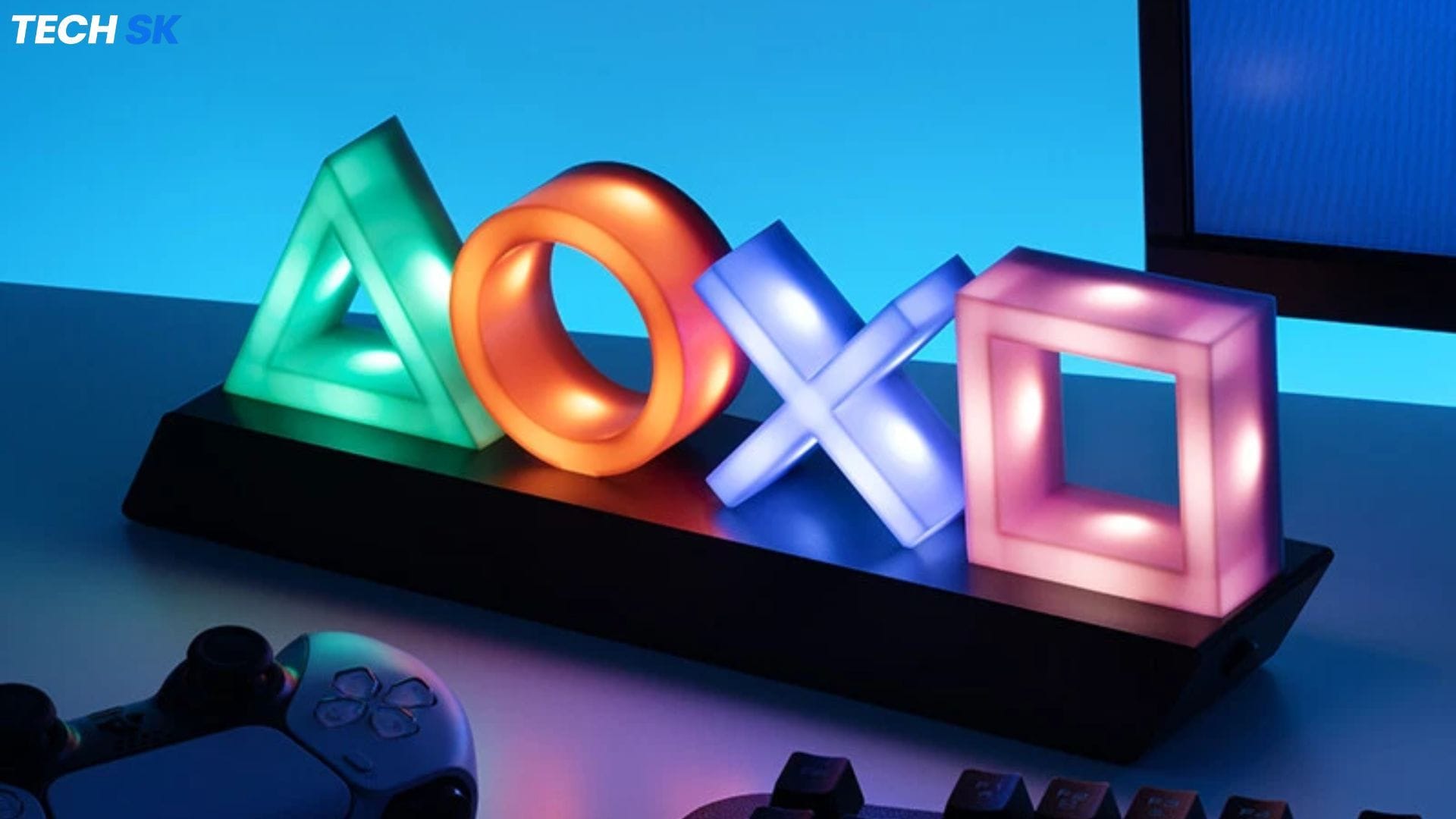
Sony/PlayStation agreed to a $7.85 million settlement in a California class-action over digital game pricing, with refunds tied to purchases made between April 1, 2019 and December 31, 2023. Eligibility is limited to games previously sold as game-specific vouchers that later rose in price after vouchers were discontinued; individual payout amounts have not yet been determined. Claims or opt-outs are due July 2, 2026, and processing will begin only after the final U.S. District Court hearing.
This is less about the settlement check and more about what it validates: platform holders can be exposed to retroactive pricing scrutiny when they remove legacy discount structures and later reprice content. The cash outlay is immaterial for SONY, but the legal precedent risk is not; the bigger issue is the disclosure/monitoring burden and the possibility that plaintiffs use this framework to attack other digital storefront pricing mechanics.
The first-order equity impact should be modest, but the second-order effect is a slower growth multiple for digital content businesses with opaque pricing governance. For SONY, the market already prices in low litigation drag; what it may be underestimating is the long tail of discovery costs and settlement stacking if this becomes a template for consumer class actions across gaming subscriptions, DLC, and marketplace fees. The real sensitivity is not to the settlement amount but to whether courts start treating pricing rule changes as antitrust evidence rather than ordinary merchandising decisions.
For competitors, the asymmetry is that the largest ecosystems with the most pricing complexity carry the most future legal surface area. That makes this mildly supportive of smaller publishers and point solutions that do not control the storefront, while also giving third-party distributors a talking point on “fairer access” economics. The cross-case read-through to mobile app store litigation is more important than SONY itself; if plaintiffs get even a partial win on platform pricing conduct, the next round of remedies could target fee structures rather than one-off refunds.
The contrarian view is that this may be overread as a profitability issue when it is really a governance overhang. SONY can absorb the financial hit easily, and the settlement may actually remove a low-probability legal tail by narrowing the dispute. The tradeable edge is in volatility, not direction: the stock is more likely to react to headlines around court milestones than to the economics of the settlement itself.
AI-powered research, real-time alerts, and portfolio analytics for institutional investors.
Request DemoOverall Sentiment
neutral
Sentiment Score
-0.10
Ticker Sentiment
