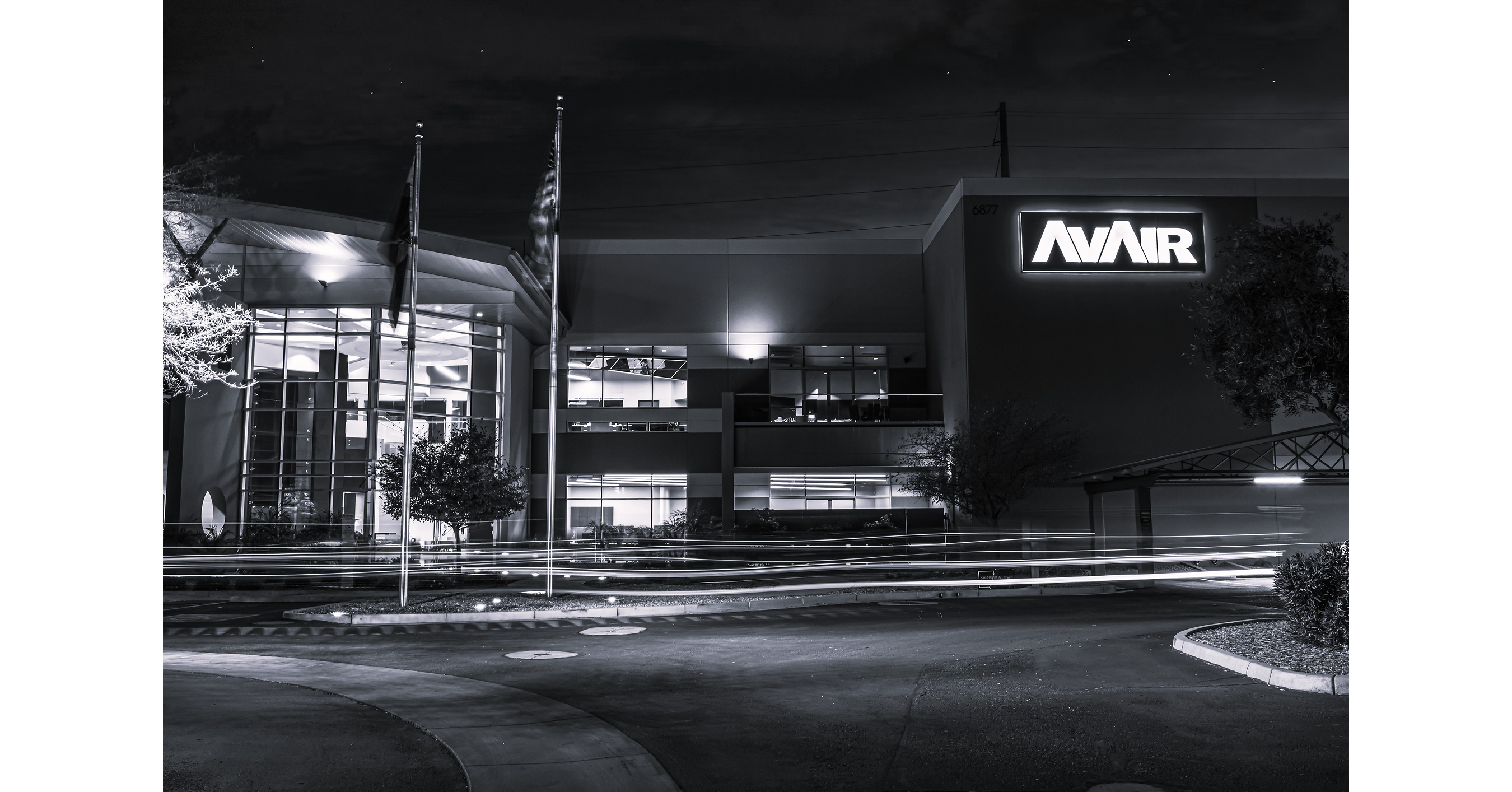
AvAir acquired Full Stop Technics to add FAA- and EASA-certified wheel and brake MRO (maintenance, repair and overhaul) capabilities, bringing certified in-house service to complement AvAir’s aftermarket inventory scale. The deal follows AvAir’s recent purchase of more than 1,600 wheels and brakes from Lufthansa Technik and includes expansion of its North American network with a third Dallas facility near DFW. Overall, the acquisition strengthens AvAir’s integrated parts sourcing-to-repair offering, which should be supportive for customer responsiveness and aftermarket service capacity.
This is less a standalone earnings catalyst than a signal that the wheel/brake aftermarket remains structurally tight enough to reward vertical integration. The real economic effect is improved working-capital efficiency: bundling inventory, certified repair, and regional distribution should raise customer switching costs and compress turnaround times, which matters more than headline revenue growth in a fragmented MRO market. That favors scaled platforms with balance-sheet capacity and certification breadth, while smaller standalone shops risk getting squeezed on pricing and service level.
The second-order winner is likely the broader aviation aftermarket complex, especially listed proxies like AIR and HEI, which can absorb demand through high-margin services and parts flows if this consolidation trend continues. The loser set is less obvious: independent wheel/brake specialists and captive airline MROs could see share leakage if integrated distributors can quote faster and guarantee certified repair. The Dallas facility detail matters because regional proximity to a major hub can reduce AOG downtime, a service advantage that tends to translate into better retention rather than immediate volume spikes.
The market should be cautious about extrapolating too much from a private-company deal. The biggest falsifier is if integration does not convert into measurable turns improvement or gross-margin lift over the next 2-3 quarters; then this is just financial engineering, not a structural moat expansion. Over 6-18 months, the thesis is stronger if airline maintenance inflation stays elevated and fleets age, but it weakens quickly if OEM parts supply normalizes or if airlines push more work in-house.
Contrarian view: consensus may be overrating the growth signal and underestimating that this is primarily a margin/route-density play, not demand creation. The cleanest read-through is not "buy the acquirer" but "buy the scaled aftermarket winners on pullbacks and wait for proof in turns/GM%," because the PR itself is not independently monetizable.
AI-powered research, real-time alerts, and portfolio analytics for institutional investors.
Request TrialOverall Sentiment
mildly positive
Sentiment Score
0.25
Ticker Sentiment
