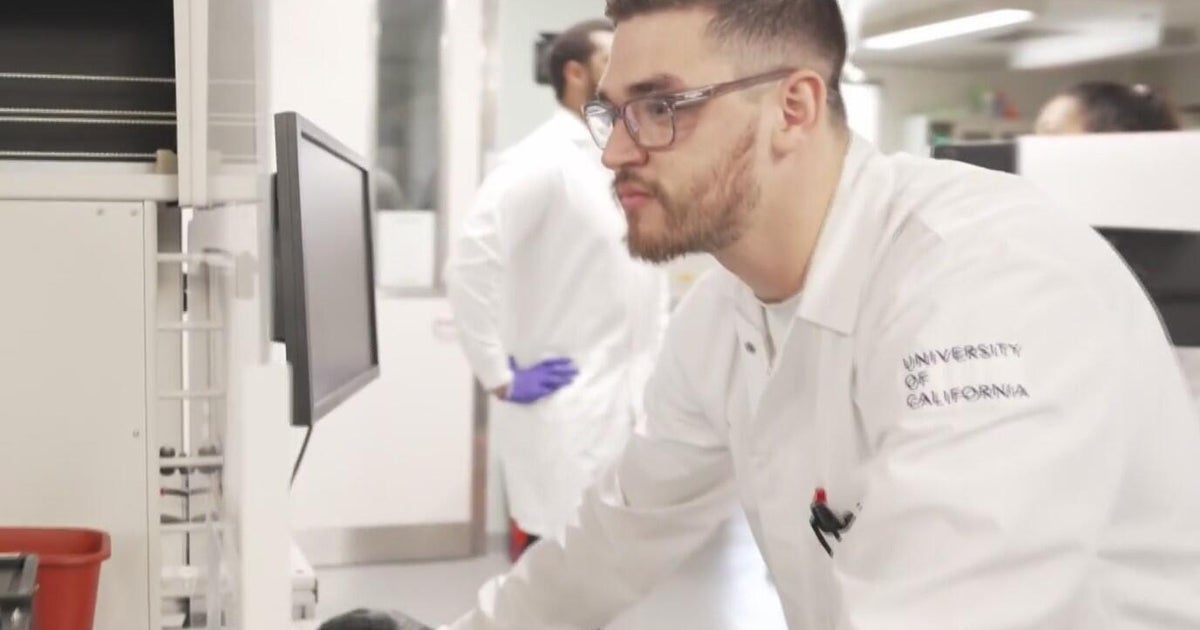
A UCLA-led study found the investigational daraxonrasib pill nearly doubled overall survival in advanced pancreatic cancer, with average survival rising from 6.5 months to about 13 months. The treatment also appeared easier for patients than chemotherapy, with reported stable disease and less fatigue. The next catalyst is FDA review, which could support full approval if the results are confirmed.
This is a platform-validation event more than a single-drug headline. If a KRAS-targeted oral therapy can materially outperform standard chemotherapy in metastatic disease, the implication is a broad re-rating of oncology pipelines that can hit hard-to-drug signaling nodes with small molecules rather than relying on classic cytotoxics. The second-order winner is not just the sponsor of this asset, but any company with adjacent KRAS biology, downstream pathway inhibitors, companion diagnostics, and oral oncology distribution infrastructure.
The more important market effect is on probability weighting, not immediate revenue. FDA approval would likely expand treatment duration and line-of-therapy sequencing in a disease where low efficacy has historically compressed commercial opportunity; even modest penetration can be meaningful because the addressable population is relatively small but high-value. Watch for follow-on capital into biotech names with validated translational science and away from broad immuno-oncology programs that have struggled in pancreatic cancer.
The main risk is that enthusiasm outruns the data quality and durability of benefit. If the survival advantage depends on a narrow biomarker-defined subgroup, or if resistance emerges quickly, the market may have to back off a broad “cure narrative” over the next 6-18 months. Another reversal catalyst is regulatory delay: if the FDA demands confirmatory endpoints or more mature overall survival data, sentiment can fade even while the science remains promising.
Contrarian angle: the move may be underdone in tools and diagnostics rather than the drug itself. Any successful KRAS program increases demand for molecular testing, trial enrollment infrastructure, and disease monitoring, which can compound across multiple oncology indications. In other words, the durable trade may be in picks-and-shovels healthcare innovation, not headline-driven drug developers.
AI-powered research, real-time alerts, and portfolio analytics for institutional investors.
Request DemoOverall Sentiment
strongly positive
Sentiment Score
0.82
