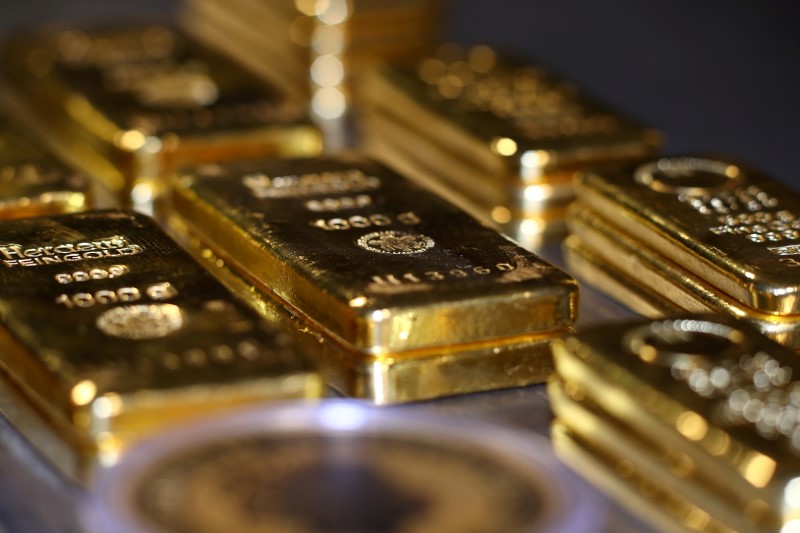
China’s central bank increased its gold reserves by 320,000 troy ounces in May, marking a 19th consecutive month of purchases and the longest uninterrupted buying streak since at least 2015. The accumulation comes despite gold’s third straight monthly decline in May, as higher-for-longer rate expectations and elevated yields pressured bullion. The article is broadly supportive of gold from a medium-term demand perspective, but the immediate market impact is limited.
The key signal is not the incremental gold purchase itself; it is the persistence of reserve diversification at a time when real rates are still high. That matters because official-sector buying is relatively price-insensitive, so it creates a structural bid that reduces downside volatility for bullion and, more importantly, keeps the gold complex supported even if Western ETF flows stay weak. The second-order effect is on miners and royalty names: a stable floor in gold prices allows the market to re-rate cash flow durability, while high-rate pressure can still compress equity multiples if investor positioning remains crowded.
For GS, the relevance is more subtle. If central bank buying is being reinforced by geopolitical fragmentation, then commodity-market and reserve-allocation advisory flows should stay active, but the trade is not linear. The bank’s commodity desks can benefit from higher hedging and client turnover around gold, yet prolonged range-bound prices would favor volatility monetization over outright directional exposure. The bigger macro implication is that official demand is partially offsetting the negative carry from elevated yields, which reduces the probability of a sharp gold washout unless real yields rise materially again.
The consensus risk is assuming this is merely a headline about gold direction. In reality, sustained reserve accumulation is a signal about currency confidence and sanctions hedging, which can bleed into broader FX behavior and EM reserve management over months, not days. If geopolitical stress intensifies or rate cuts are delayed, gold can grind higher even without investor enthusiasm; if real yields keep rising or the dollar re-accelerates, the bid weakens, but the downside is likely slower and shallower than in prior cycles because official-sector demand is now a larger share of marginal flow.
AI-powered research, real-time alerts, and portfolio analytics for institutional investors.
Request DemoOverall Sentiment
neutral
Sentiment Score
0.05
Ticker Sentiment
