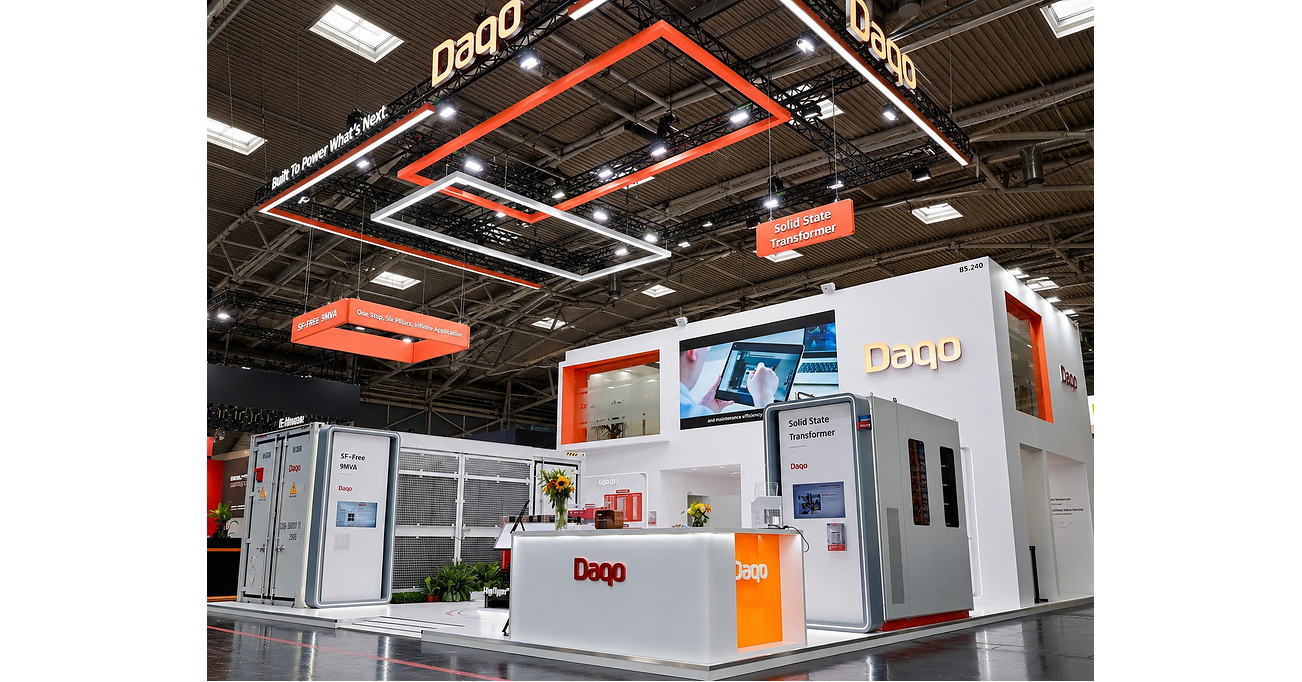
Daqo presented SF6-free medium-voltage distribution solutions at The smarter E Europe 2026, highlighting its DQS Air RMU using dry air insulation with vacuum interruption to reduce maintenance and support faster grid connections for renewables. The company also showcased a newer SF6-free air-insulated RMU for secondary distribution plus turnkey, factory-prepared substation and modular data-center power solutions (including UPS, power-quality management, and monitoring). Overall, the update is market-supportive around cleaner, more reliable, quicker-to-deploy grid infrastructure, but it is product/showcase focused rather than a clear financial catalyst.
The real signal is not the SF6-free angle itself; it is the packaging of switchgear, substation gear, controls, and commissioning into a lower-interface product. In Europe, that matters because the binding constraint is increasingly interconnection speed and permitting certainty, not module cost. That shifts value from discrete equipment vendors toward firms that can own the interface risk and shrink project schedules, which should favor integrated electrification suppliers and high-service EPCs over plain-vanilla component makers.
Second-order winners are the adjacent enablers of faster grid buildout: data center power platforms, inverter/storage integrators, and utility automation names that can monetize grid congestion and distributed load growth. The loser set is broader than SF6 incumbents; any vendor whose moat is mostly product specification, without local service depth or factory integration, risks margin compression as buyers standardize on prefab procurement. For peers like ABB, Schneider Electric, Eaton, and Siemens Energy, the issue is less immediate share loss and more pricing discipline if Europe keeps rewarding “turnkey and compliant” over best-in-class standalone boxes.
The main risk is adoption friction, not technology skepticism. Utility qualification cycles in Europe are long, and procurement teams may prefer familiar local vendors over imported integrated packages, especially if security-of-supply concerns rise. Over 1-3 months, this is mostly a sentiment read-through on electrification capex; over 6-18 months, it becomes a real order-book test if grid connection queues and data center buildouts keep forcing premium pricing for delivery certainty. A reversal would come from normalization in lead times, easing grid bottlenecks, or a protectionist procurement shift that disadvantages non-European suppliers.
AI-powered research, real-time alerts, and portfolio analytics for institutional investors.
Request DemoOverall Sentiment
mildly positive
Sentiment Score
0.15
