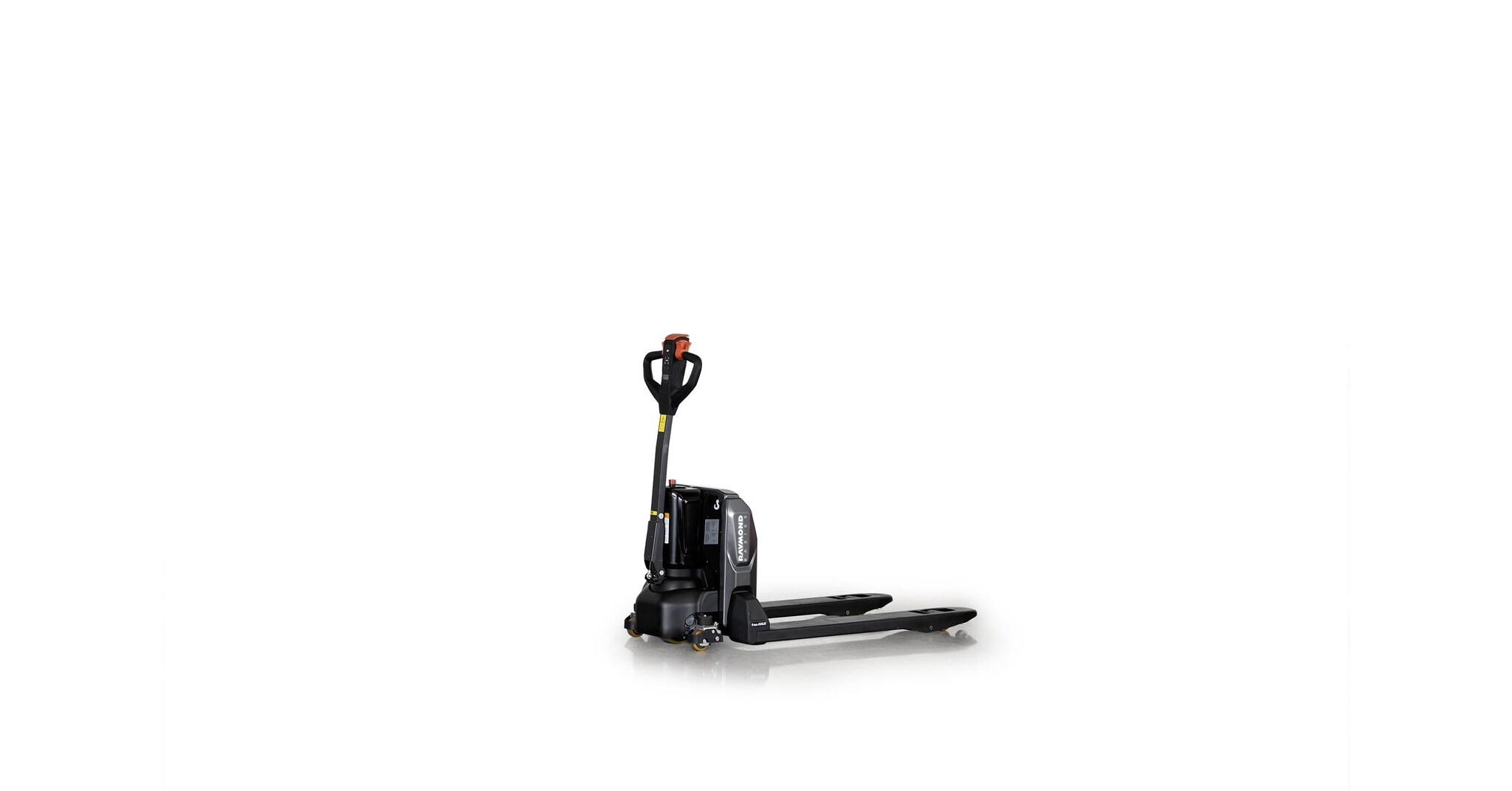
Raymond Corporation launched the Raymond Basics RBW45 lithium-ion walkie pallet jack, supporting loads up to 4,500 lbs with motorized lift-lower and travel for retail, warehousing, docks, and confined spaces. The company highlights lower operator strain, a compact/pinwheel design for narrow aisles, keypad access for security, and in-stock availability with a spare battery included. This is a product-cycle positive but likely low near-term market impact versus company-wide earnings or guidance.
This looks like a share-defense SKU, not a category-changing launch. The economic signal is that the entry-level material-handling market is getting more price-competitive, which tends to compress gross margin before it meaningfully expands earnings. If Raymond is pushing a lower-cost electric alternative with quick ship, the first-order winner is the customer; the second-order winner is the dealer/service ecosystem tied to lithium-ion packs, chargers, and replacement batteries, while manual pallet jack vendors and generic low-end lift equipment suppliers face substitution pressure.
The more interesting implication is competitive rather than product-level: in a weak industrial freight environment, OEMs often use “affordable” electrification to protect utilization and prevent share leakage to lower-cost imports. That usually shifts mix downmarket and can cannibalize higher-ASP units, so the revenue lift can be overstated unless channel checks show incremental fleet conversions rather than trade-down. For public comps, the read-through is more about pricing discipline in warehouse equipment than direct earnings upside; I would not extrapolate this to broad industrial demand.
Near term, there is likely no tradable catalyst in GOOGL or RJF from this announcement. Over 1-3 months, the key watch item is whether dealers report faster turnover or just inventory substitution; over 6-18 months, the risk is a margin grind if low-end electrification becomes the new standard and forces competitors to match on price. The thesis is falsified if orders accelerate without discounting, or if management later shows the launch is accretive through mix/aftermarket attach rather than cannibalistic.
AI-powered research, real-time alerts, and portfolio analytics for institutional investors.
Overall Sentiment
mildly positive
Sentiment Score
0.18
Ticker Sentiment
