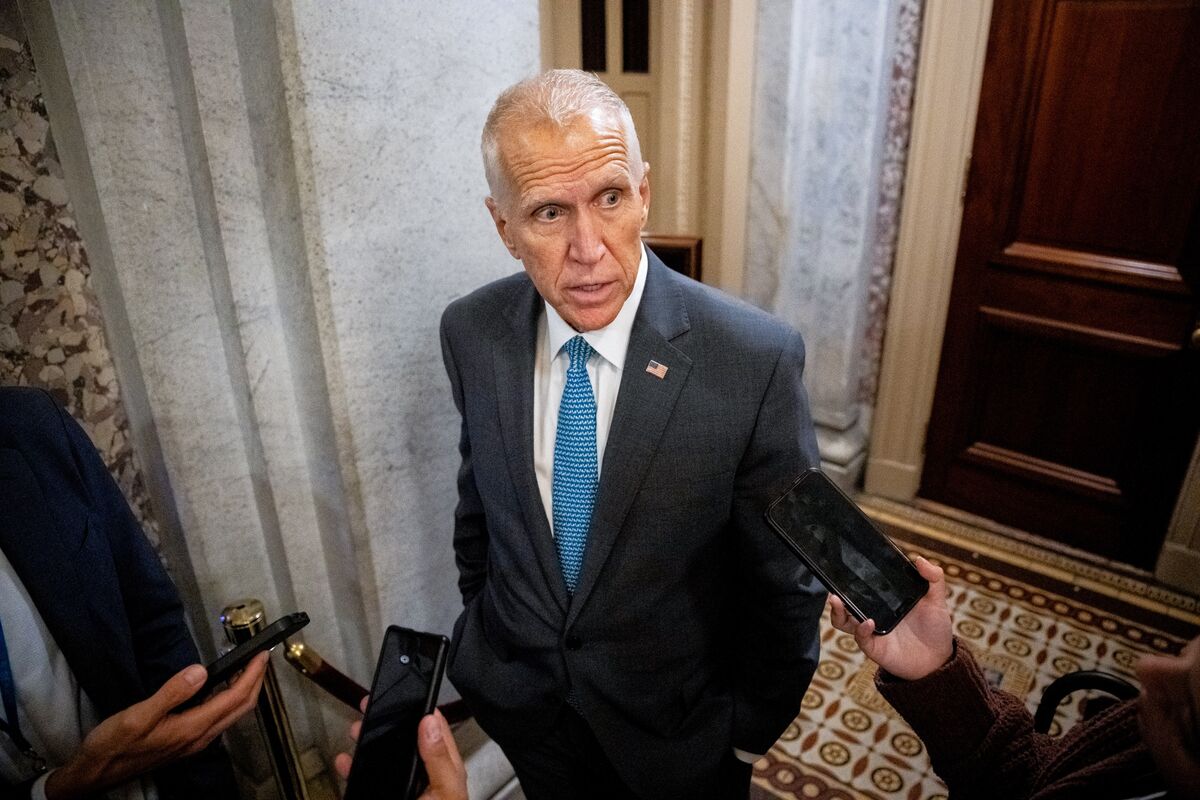
Republican Senator Thom Tillis voted against the GOP budget bill, citing potential tens of billions in lost funding for North Carolina. While the measure passed 51-50, Tillis's dissent, as one of only three GOP senators opposing it, prompted his announcement not to seek re-election in 2026, underscoring the political pressures within the party on key fiscal legislation.
The passage of the GOP budget reconciliation bill by a narrow 51-50 margin, secured by a tie-breaking vote, highlights significant fiscal and political tensions. The dissent of three Republican senators, including Thom Tillis of North Carolina, underscores a notable intra-party fracture on fiscal policy. Senator Tillis's stated rationale for his opposition—the potential loss of "tens of billions of dollars" in funding for his state, specifically impacting hospitals and rural communities—points to tangible, regional economic risks stemming from the legislation. His subsequent decision not to seek re-election in 2026 suggests the political cost of such dissent is high, potentially signaling future challenges in achieving party unity on major economic bills. While the event carries a low immediate market impact score (0.1), the underlying dynamics of a deeply divided legislature passing major fiscal packages on razor-thin margins introduces a degree of political uncertainty for future policy.
AI-powered research, real-time alerts, and portfolio analytics for institutional investors.
Request DemoOverall Sentiment
mildly negative
Sentiment Score
-0.20
