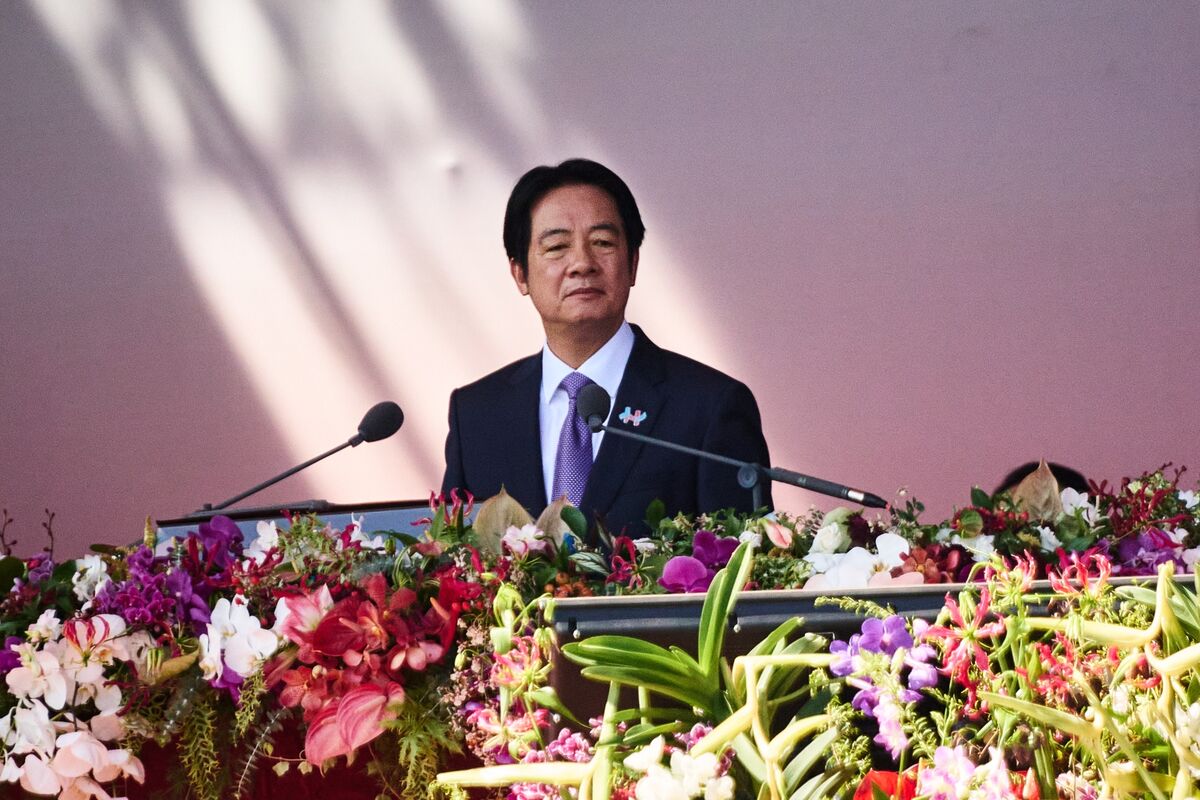
Germany and the Czech Republic reportedly رفض Taiwan President Lai Ching-te's last-minute request to transit through Europe, after three Beijing-friendly African countries closed their airspace and blocked direct routing to Eswatini. The episode underscores escalating geopolitical friction around Taiwan's diplomacy and travel access, but is unlikely to have direct broad market impact beyond regional risk sentiment.
This is a reminder that geopolitical chokepoints are no longer just maritime or military; they are increasingly bureaucratic and network-based. When multiple states coordinate even tacitly to deny overflight and transit, the market takeaway is that escalation can be implemented cheaply, quickly, and with little visible force — which makes it more repeatable than headline sanctions. The immediate economic effect is small, but the regime learned here is larger: air corridors, port access, and flight permissions can be weaponized as a low-cost pressure tool, especially against diplomatically isolated actors.
The second-order impact is on perceived reliability of Europe as a neutral logistical fallback in contested Asia-related disputes. That matters less for Taiwan’s direct trade flow than for how multinational operators price political optionality into routing, insurance, and contingency planning across emerging markets. Expect a modest risk premium to persist in cross-border aviation, MRO, and sovereign travel planning over the next several months, particularly for carriers and logistics firms exposed to sanctions-adjacent route disruptions.
The contrarian angle is that the market may overestimate the durability of this pressure tactic. The more visible the blockage becomes, the more it incentivizes alternative routing architectures, pre-cleared transit agreements, and diplomatic workarounds that reduce the effectiveness of future attempts. In other words, the headline is negative for signaling, but the practical moat around the strategy may be short-lived if counterparties adapt; the bigger risk is not the one-off incident, but normalization of ad hoc transit denial as a tool in broader great-power competition.
AI-powered research, real-time alerts, and portfolio analytics for institutional investors.
Request DemoOverall Sentiment
moderately negative
Sentiment Score
-0.35
