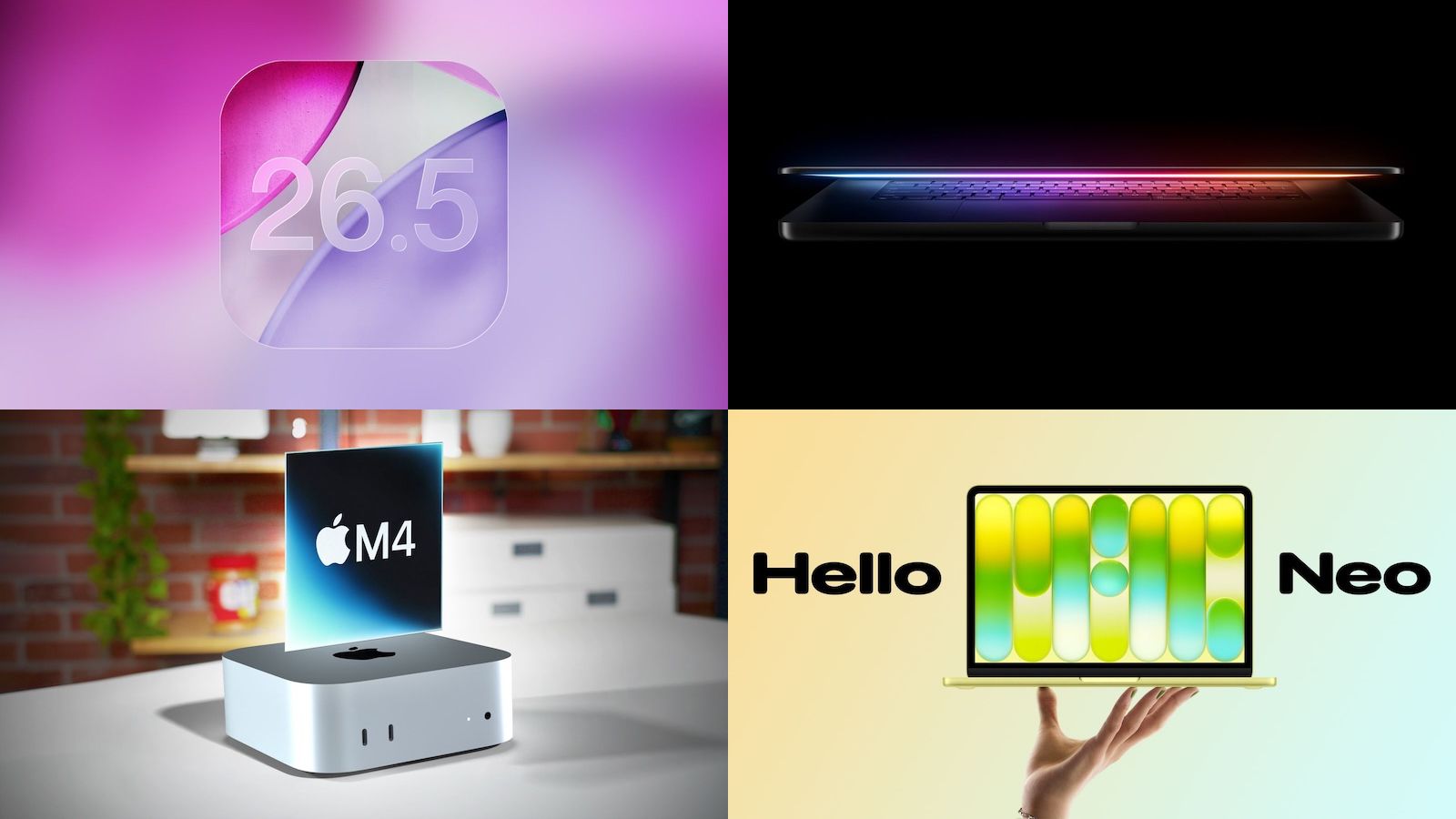
Apple’s iOS 26.5 update adds end-to-end encrypted RCS messaging, a new Apple Maps 'Suggested Places' feature, and a Pride Luminance wallpaper, while broader product news centers on Mac pricing and supply constraints. The Mac mini’s entry price has risen to $799 after Apple dropped the 256GB model, and Mac mini/Mac Studio availability is being affected by memory shortages amid AI-related demand. Separately, Tim Cook described demand for the MacBook Neo as 'off the charts,' though supply constraints may pressure the entry-level $599 configuration.
The near-term setup is less about a single software release and more about Apple using the current cadence to preserve ecosystem stickiness ahead of the next hardware cycle. Security features that improve cross-platform messaging reduce one of Android’s few persistent comparative advantages, while map monetization is a quiet margin lever: even modest ad load can expand Services ARPU without materially lifting user churn risk because the feature is embedded in utility software rather than a standalone ad product.
The bigger second-order effect is on product mix and gross margin. Raising the floor price of entry Macs while supply is constrained suggests Apple is defending unit economics rather than chasing volume, which is constructive for ASPs but potentially lengthens lead times and pushes some demand into later quarters. If memory scarcity persists, the pain may spill over to smaller OEMs and Windows PC vendors first, because Apple has more pricing power and a tighter installed-base flywheel.
The MacBook Neo demand signal is important because it implies Apple has found a price-sensitive but still loyal buyer cohort in a weak PC market. If Apple trims the low-end configuration or colors to ration demand, that is a classic margin-preserving move, but it also creates room for competitors to respond with promotional intensity in sub-$800 laptops. The risk is that some of this demand is pull-forward from consumers waiting for the cheapest Apple notebook, so the current excitement may normalize quickly once shipment constraints extend beyond a quarter.
The least-consensus point is that the iPhone 18 Pro durability complaints may matter more for returns, refurb values, and carrier channel push than for headline upgrade demand. If Apple sticks with the same material system despite visible wear issues, it signals the company believes design consistency and repair economics outweigh cosmetic dissatisfaction — but that can pressure premium perception at the margin, especially if the thinner-dynamic-island narrative does not offset it.
AI-powered research, real-time alerts, and portfolio analytics for institutional investors.
Request DemoOverall Sentiment
neutral
Sentiment Score
0.12
Ticker Sentiment
