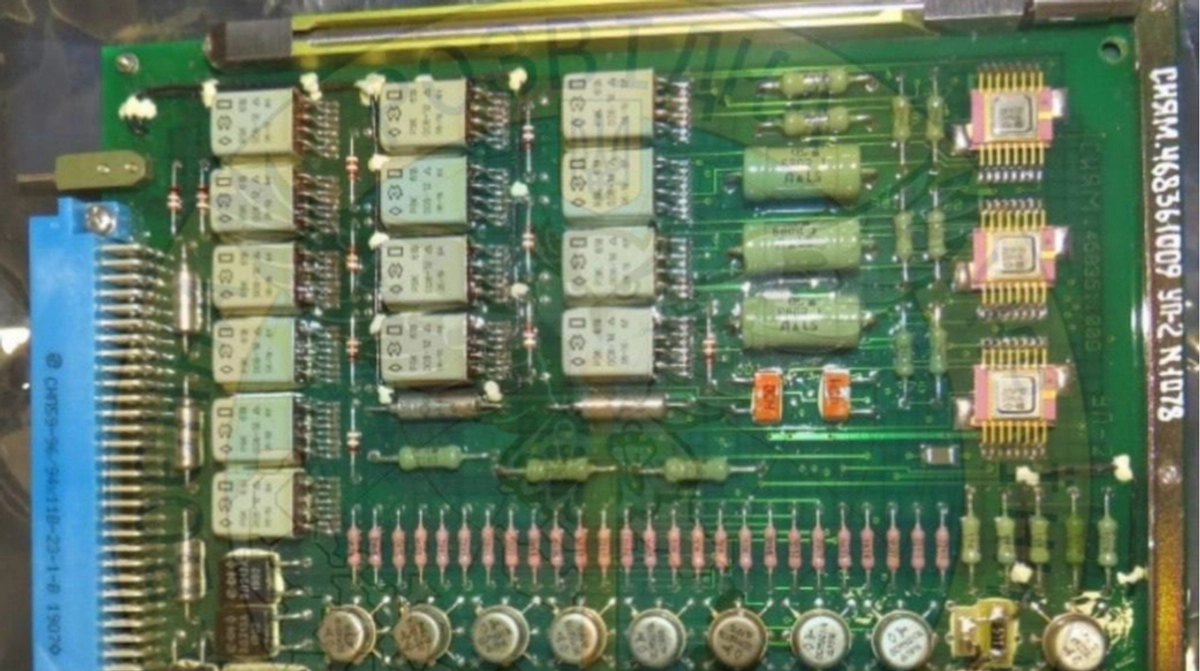
Ukrainian officials say 25% of American components found in Russian weapons are counterfeit, underscoring continued sanctions evasion and supply-chain leakage. The report also says Russia is erasing serial numbers and that Ukrainian authorities are sharing component data with Chinese counterparts, while foreign parts have been found in 2025-era UAVs and missiles. The issue points to persistent geopolitical and export-control risk for defense supply chains, but it is not a direct company-specific catalyst.
This is less about Russia’s ability to source parts and more about the enforcement surface expanding from exporters to downstream intermediaries. If a material share of “U.S.-origin” content in Russian munitions is counterfeit, the real risk is that sanctions leakage is being masked by paper compliance, which tends to shift scrutiny toward distributors, freight forwarders, and gray-market brokers rather than end manufacturers. That raises the probability of tighter due-diligence requirements and customs friction across electronics, industrial components, and dual-use categories over the next 3-9 months.
The second-order winner is the compliance stack: screening, traceability, provenance analytics, and export-control consulting should see budget acceleration as governments and primes try to prove chain-of-custody. Hardware OEMs with heavily globalized component trees are exposed to more audits, more holds, and potentially more working-capital drag if importers begin over-ordering to offset seizure risk. The losers are small distributors and opportunistic traders that rely on thin documentation; they face the highest margin compression and the greatest probability of getting cut out by large customers.
A more subtle implication is that counterfeit attribution itself can be weaponized diplomatically. If counterpart governments are being handed component files, expect episodic public pressure that could trigger targeted enforcement actions or blacklisting of specific entities within weeks, not months. However, the consensus may be overestimating the immediacy of broad trade disruption: most legitimate U.S./European electronics supply chains are too fragmented to unwind quickly, so the first-order macro impact is likely modest while the idiosyncratic impact on compliance-heavy beneficiaries is real.
AI-powered research, real-time alerts, and portfolio analytics for institutional investors.
Request DemoOverall Sentiment
mildly negative
Sentiment Score
-0.15
