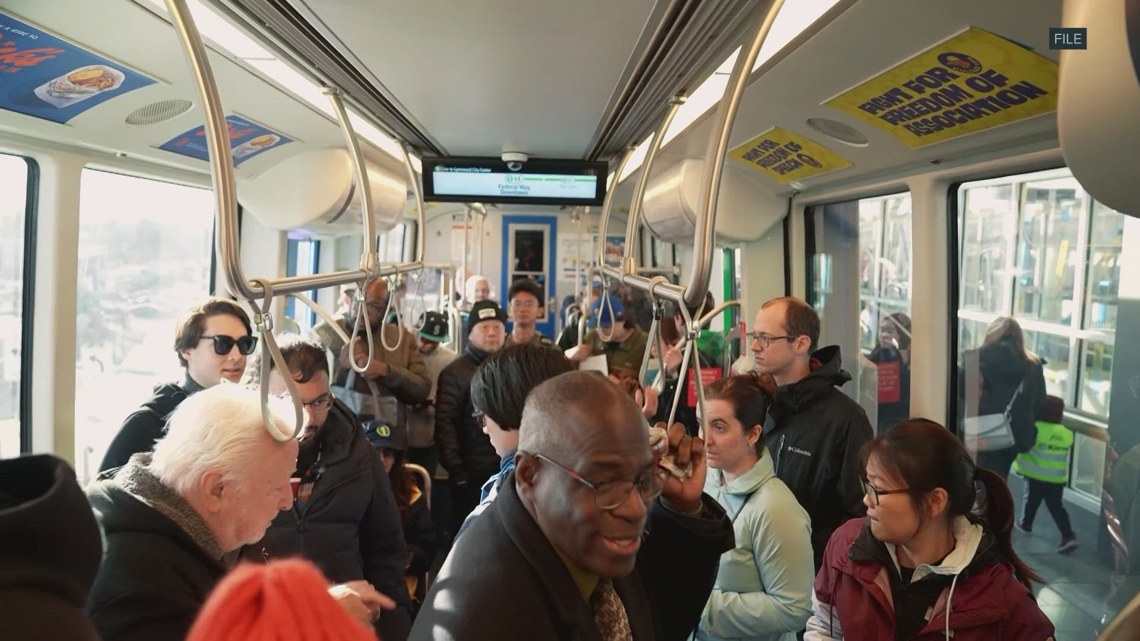
Sound Transit is confronting a $34.5 billion long-term funding gap and is considering scaling back the Ballard light-rail extension, potentially terminating service at Seattle Center or Smith Cove instead of Ballard. The project had been forecast to draw up to 173,000 daily riders; board and agency cite 'unprecedented' construction cost inflation as the primary driver of proposed reductions, prompting political pushback from local officials and businesses. Board deliberations on alternatives are expected in coming months and could materially affect local development, housing plans, and regional ridership projections.
A major urban rail program facing possible truncation has outsized second‑order effects across real estate, construction, and municipal credit that markets are underpricing. Developers who have rezoned and placed bets on transit‑adjacent density face higher carrying costs and lower absorption rates; each 12 months of delay typically increases hard and soft costs by ~3–6% and can push leasing stabilization out by 6–18 months, materially compressing IRRs on marginal projects. Construction contractors and materials suppliers will see demand shifted rather than erased — work scopes can be reallocated to other geographies but fleet idle time (TBMs, tower cranes, leased equipment) converts variable margin to fixed cost and favors larger firms with diversified backlogs.
Credit and political channels are the critical catalysts. A near‑term board decision (weeks–months) sets the path for financing markets; conversely, a voter/tax measure or state legislative fix (6–24 months) can fully restore funding and re‑accelerate procurement. Interest rate and inflation paths matter: a 100bp sustained widening in muni yields increases annual interest burden on a multibillion program by ~1% of outstanding principal, shifting feasibility and forcing rephasing. Commodity or labor cost deflation of 10–20% would materially reopen previously unaffordable scopes within 12–36 months.
The consensus reaction is binary: cancel vs deliver. That ignores a higher‑probability outcome — phased delivery plus targeted revenue measures — which produces a sharp but recoverable trough in demand for regionally exposed contractors and materials. That asymmetry creates a sell‑the‑panic, buy‑the‑recovery opportunity for names levered to broader US infrastructure spend, while local real‑estate and single‑market operators look most vulnerable in the near term.
AI-powered research, real-time alerts, and portfolio analytics for institutional investors.
Request DemoOverall Sentiment
mildly negative
Sentiment Score
-0.30
