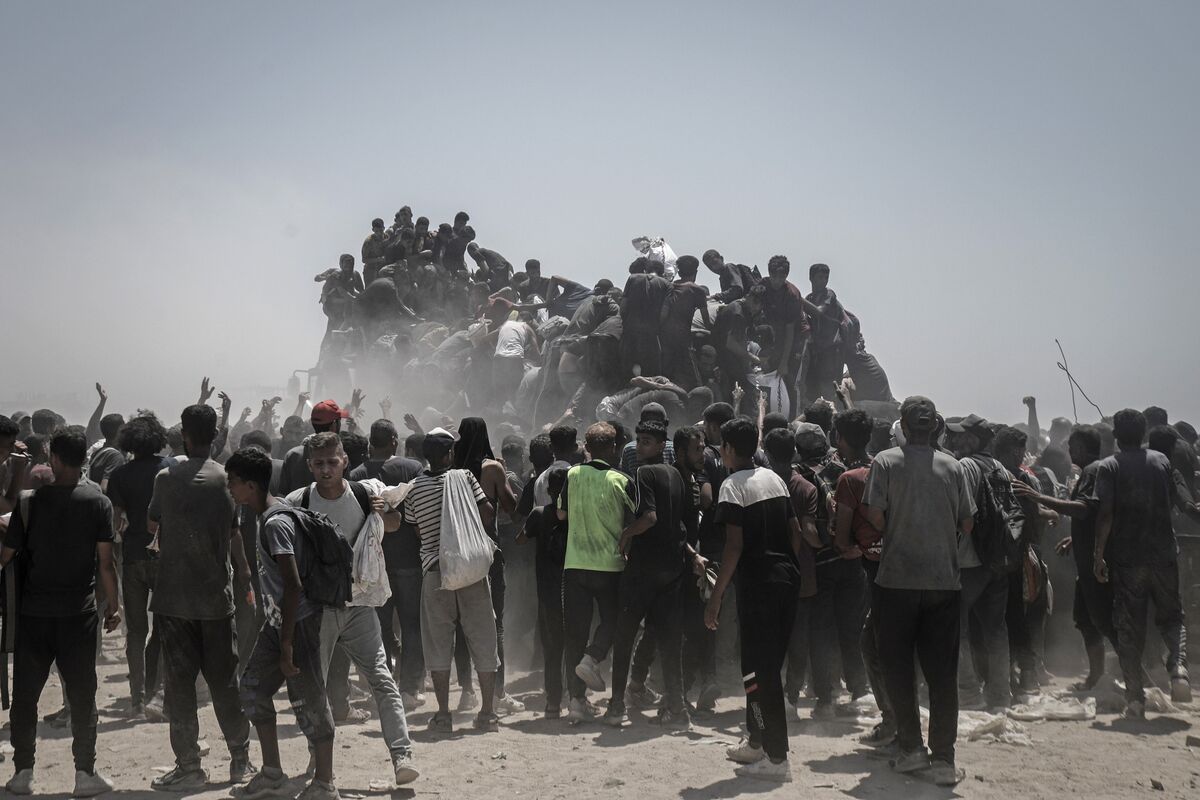
German Chancellor Friedrich Merz has urged Israel to immediately alleviate the "catastrophic" humanitarian crisis in Gaza and called for a comprehensive ceasefire with Hamas, reflecting a hardening stance among European governments. Merz indicated Germany is considering potential further, unspecified steps if the situation does not improve, signaling escalating international diplomatic pressure concerning the conflict.
German Chancellor Friedrich Merz has publicly intensified diplomatic pressure on Israel, labeling the situation in Gaza a "catastrophic" humanitarian crisis and calling for an immediate comprehensive ceasefire. This statement signifies a notable hardening in the stance of a key European government, moving beyond general calls for aid. The mention of Germany considering unspecified "potential further steps" if the situation does not improve introduces a new layer of uncertainty and potential for escalation in diplomatic actions. While the immediate market impact score is low (0.05), this development contributes to a growing geopolitical risk profile for the region, reflecting a shift in international political sentiment that could precede more tangible economic or political measures.
AI-powered research, real-time alerts, and portfolio analytics for institutional investors.
Request DemoOverall Sentiment
neutral
Sentiment Score
0.00
