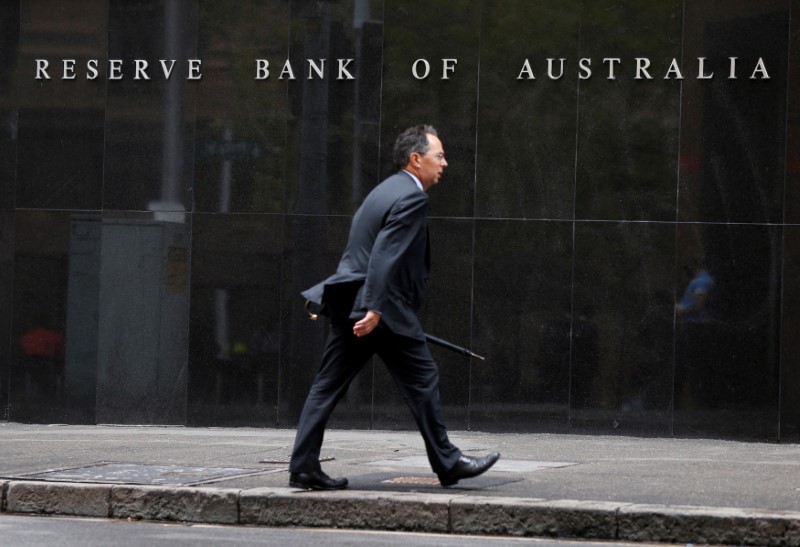
Australia’s headline inflation is now expected to peak at about 4.25% in mid-year, below the 5% forecast in the May federal budget, as lower oil prices and easing Middle East tensions improve the outlook. May CPI came in at 4.0% year over year versus 4.3% expected, while trimmed mean inflation rose 3.6%, slightly above the 3.5% consensus. The RBA has raised rates three times this year to 4.35% and remains data-dependent, keeping inflation prints central to the interest-rate outlook.
The market implication is less about the current inflation print and more about the distribution of outcomes for Australian rates over the next 1-2 meetings. A lower expected peak in headline inflation reduces the chance of a reactionary tightening cycle, but the RBA is unlikely to pivot off headline alone because the sticky core measure still leaves the policy path data-dependent. That means front-end yields can rally on benign CPI headlines, yet the move should be capped unless labor and services data also soften.
The bigger second-order effect is through energy and the currency. If Middle East risk keeps easing, Australia gets a dual disinflation channel: lower imported fuel prices and weaker inflation expectations, which should compress term-premium pressure in rates markets. Conversely, any renewed disruption around the Strait of Hormuz would hit Australia less through direct trade exposure and more through imported inflation, forcing the RBA to stay restrictive even if domestic growth slows.
Consensus looks too comfortable extrapolating a cleaner disinflation path from a single better-than-feared headline. The risk is that services inflation and wage persistence keep the RBA on hold for longer than rates bulls expect, which would make the current easing impulse in the front end vulnerable to reversal on one or two hot prints. In that setup, duration is attractive tactically, but not as a full macro conviction until underlying inflation rolls over decisively.
For traders, the asymmetry is best expressed in rate vol and curve positioning rather than outright duration. The next catalyst window is the next CPI/trimmed-mean release and any shift in RBA communication; until then, the market is likely to trade headlines about geopolitics more than domestic fundamentals. If the ceasefire holds, the disinflation narrative should steepen the curve; if it breaks, the market will quickly reprice a higher-for-longer RBA.
AI-powered research, real-time alerts, and portfolio analytics for institutional investors.
Request DemoOverall Sentiment
neutral
Sentiment Score
0.10
