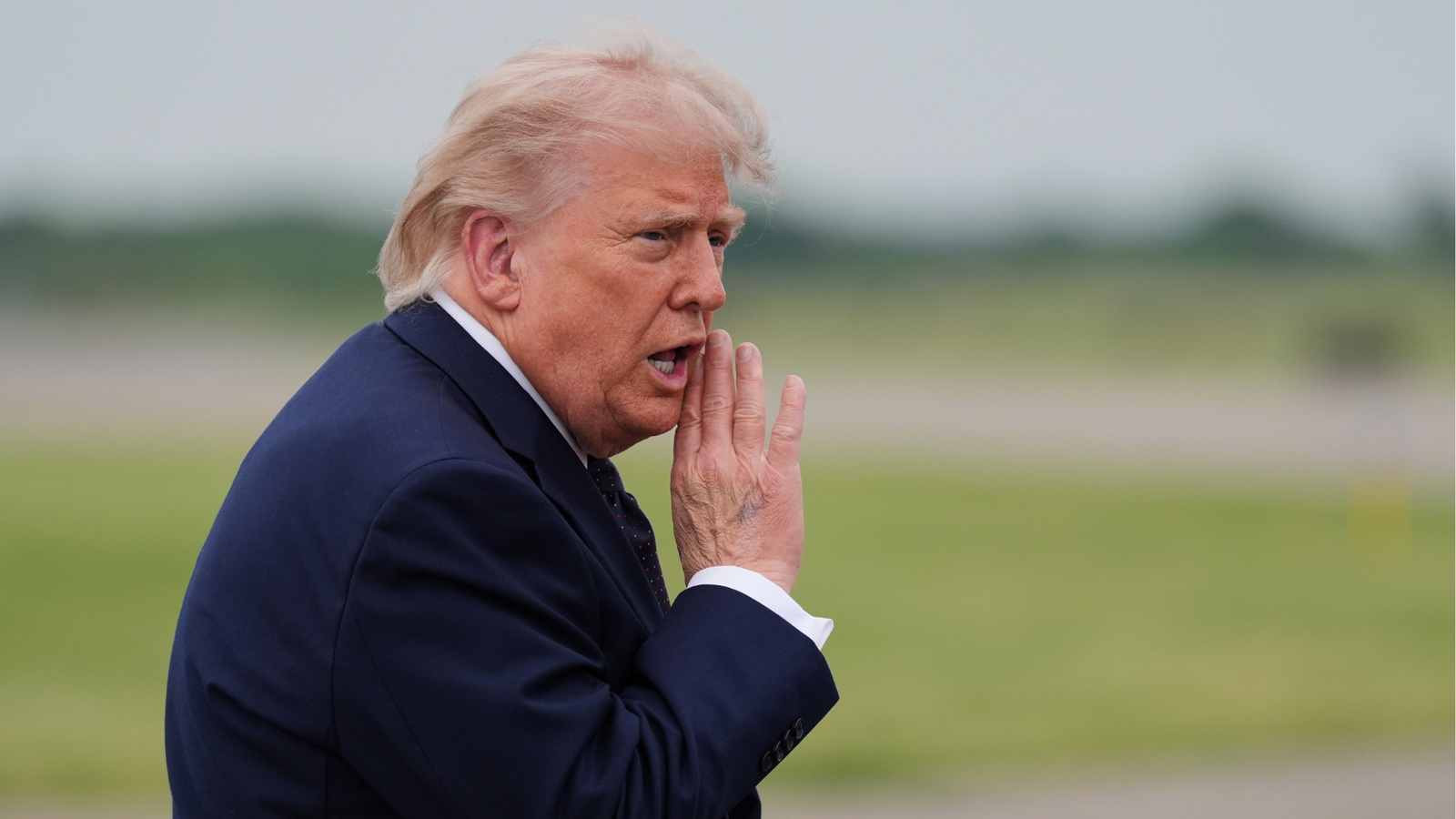
The Trump administration is proposing NDAs for all current and future federal employees, including both new and existing staff, as part of a broader crackdown on leaks. The draft rule would apply to non-public, confidential, or proprietary information, and OPM is seeking comment on whether agencies should penalize employees who refuse to sign. The move has drawn pushback from legal experts, journalist groups, and the AFGE, who argue it may conflict with existing law and could be used to suppress whistleblowing.
The economic impact on NYT is likely not direct revenue pressure, but a higher-friction operating environment for reporting on federal actions. The more important second-order effect is an elevated probability of asymmetric headline risk: one enforcement incident, subpoena, or device seizure can create a sharp, temporary multiple de-rating even if fundamentals are unchanged. That makes the stock more vulnerable to litigation/regulatory overhang than to a sustained deterioration in ad or subscription trends.
The broader market implication is that this is less about media economics and more about institutional trust and information flow. If federal employees get chilled from speaking, the value of unofficial sourcing rises while the cost of validating stories increases, which can lengthen reporting cycles and raise legal spend for the major papers. For NYT specifically, the brand can benefit from being perceived as a target of state pressure, but that upside is slower and harder to monetize than the downside from any adverse court or congressional response.
The contrarian point is that the move may be overinterpreted as bearish for the paper’s business. In practice, government attempts to tighten disclosure often increase reader demand for watchdog journalism and can support engagement around national-security coverage. The real risk window is days to weeks for headline volatility; the real catalyst window is months, when legal challenges, union responses, or a formal rulemaking record can either legitimize or bog down enforcement.
AI-powered research, real-time alerts, and portfolio analytics for institutional investors.
Overall Sentiment
mildly negative
Sentiment Score
-0.20
Ticker Sentiment
