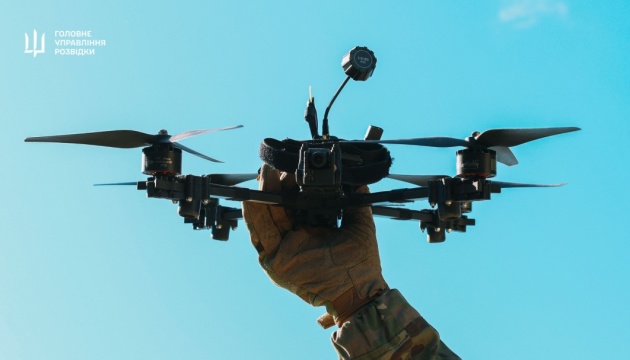
Ukraine's Security Service reports that Alpha FPV interceptor teams destroyed over 300 Russian Molniya drones in one month, with a single top crew accounting for 100 interceptions. Kyiv says Russians are using Molniya UAVs to target frontline positions, equipment and personnel, and that successful interceptions have protected soldiers and disrupted enemy operations; Ukrainian forces also struck a repair unit, a UAV training center, command posts and concentrations of Russian forces in occupied territories and inside Russia. The developments indicate a measurable degradation of one element of Russia's tactical UAV threat, with implications for operational risk on the front and for defense logistics and capabilities.
Market structure: Short-term winners are counter‑UAS and EW hardware/software suppliers (L3Harris LHX, Raytheon RTX, Kratos KTOS, Rheinmetall RHM.DE) plus optics/battery suppliers; losers are low‑sophistication kamikaze drone assemblers whose operational impact is falling. Expect a reallocation of procurement from bulk loitering munitions to integrated interceptor kits—pricing power will shift to specialized sensors, AI guidance and repeatable interceptor munitions, implying 15–40% revenue upside for niche suppliers within 6–12 months if NATO/US aid scales.
Risk assessment: Tail risks include rapid escalation (full mobilization or wider sanctions) that triggers commodity shocks and broad risk‑off, or tech export curbs that throttle supply of sensors/semiconductors; immediate (days) headline moves can swing small‑cap drone names ±20%, medium (weeks/months) brings procurement contracts, long (quarters/years) could entrench new C‑UAS supply chains. Hidden dependencies: many Russian systems rely on Western components—sanctions or supply re‑routing materially change producer survivability and pricing.
Trade implications: Tactical: establish 2–3% longs in LHX and RTX (core), add 1% in KTOS and 0.5–1% in AVAV for asymmetric small‑cap upside; implement 6‑month call spreads (buy ATM, sell +25% OTM) to cap premium. Pair: long KTOS vs short GD (Lockheed GD) 0.75%/0.75% to express faster revenue capture in counter‑drone vs large program cycle risk. Overweight ITA by +3% vs S&P for 3–12 months.
Contrarian angles: Consensus favors large primes, but market underprices recurring consumables (interceptor munitions, batteries, spare optics) whose demand is repeatable—these suppliers could see 20–50% FY revenue boosts. Reaction may be underdone in small caps and overdone in defense megacaps; watch order flow: a confirmed $500m+ C‑UAS tranche in 30 days should trigger scale‑ups of small‑cap exposure by 50%, while failure to materialize argues trimming positions by 30%.
AI-powered research, real-time alerts, and portfolio analytics for institutional investors.
Request DemoOverall Sentiment
mildly positive
Sentiment Score
0.25
