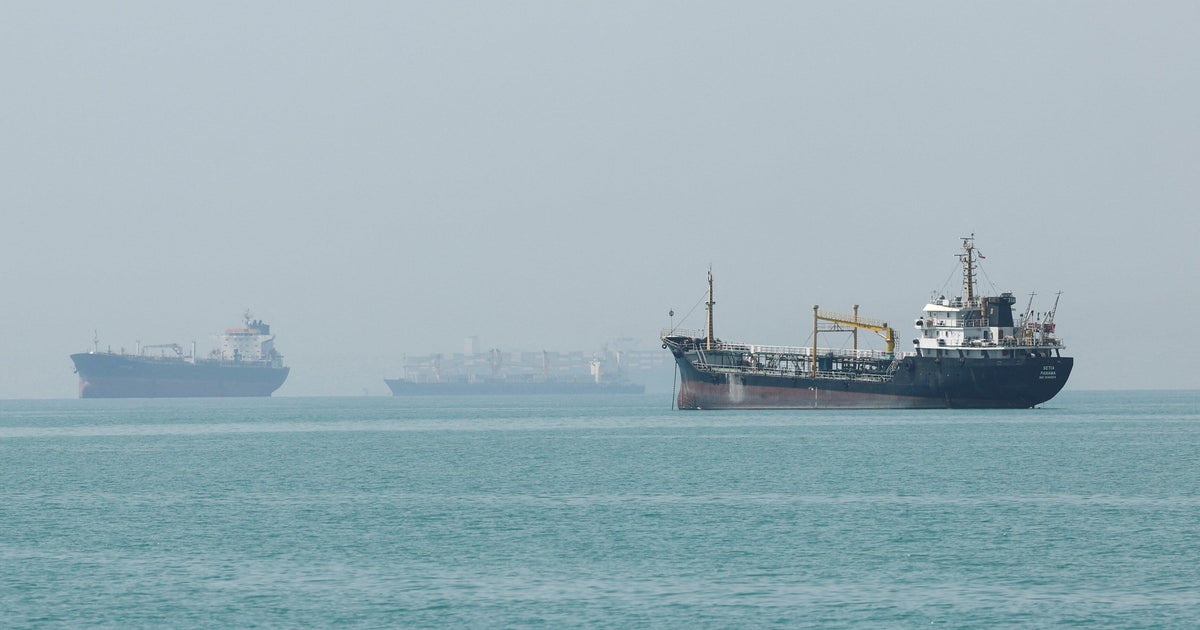
Marco Rubio said there has been "slight progress" in indirect Iran peace talks, but key issues remain unresolved, including nuclear enrichment and Iran's reported plan to impose a tolling system in the Strait of Hormuz. The U.S. also expanded sanctions on Hezbollah-linked individuals in Lebanon, including for the first time Lebanese military officers, while Congress is showing growing resistance to the Iran war. The Strait of Hormuz remains a major market risk because it handles about one-fifth of global oil flows.
The market’s first-order read should be lower tail risk in oil, but the more important second-order effect is policy optionality: even modest progress in talks reduces the probability of a near-term strait disruption, which caps the upside in energy volatility more than outright spot crude. That matters because the premium is now less about current barrels and more about the probability of a shipping-friction regime that would reprice freight, insurance, and inventory costs across Asia and Europe. A partial de-escalation also weakens the urgency of emergency military logistics, which is one reason defense-supported equities tied to munitions and naval replenishment are likely to see weaker follow-through than the headlines suggest.
The congressional pushback is a real catalyst because it creates a second veto point on the war path. If legislative resistance persists into the next vote window, the market should start pricing a shorter conflict duration and a lower chance of broadening into a multi-theater supply shock; that is bearish for energy beta and bullish for transport, chemicals, and imported-input beneficiaries. The risk is that any failed negotiations get translated into a hard-line move on maritime access, which would be a classic low-probability/high-impact event: a brief spike in crude, but an outsized repricing in tanker, insurance, and refinery crack spreads within days.
The Lebanon and Iraq developments point to a widening proxy perimeter rather than a clean ceasefire, which raises the odds of intermittent strike risk instead of a single headline-driven shock. That is usually worse for cyclicals than for headline-sensitive defense names because it keeps risk premia elevated without creating a durable scarcity regime. The contrarian angle: the consensus may be overestimating the chance that diplomatic progress is enough to compress the entire geopolitical premium; what matters is whether shipping lanes stay open and whether Congress can constrain escalation, not whether the rhetoric sounds constructive for one session.
AI-powered research, real-time alerts, and portfolio analytics for institutional investors.
Request DemoOverall Sentiment
mixed
Sentiment Score
-0.15
