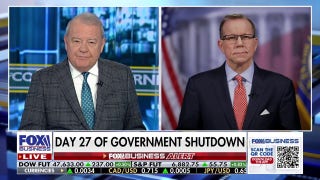
The Federal Reserve is widely expected to cut its benchmark interest rate by 25 basis points to a range of 3.75% to 4%, marking a second consecutive reduction despite stubbornly high inflation, which registered 3% year-over-year in September, and record stock market highs. This anticipated move is attributed to a weakening labor market and manufacturing contraction, though economists caution it risks further inflation. The decision carries significant implications for the $38 trillion national debt, as elevated rates compel the Treasury to rely on short-term debt, while former Fed Governor Kevin Warsh criticizes the central bank's inflation management and calls for new leadership.
The Federal Reserve is expected to implement a 25-basis-point rate cut, lowering the federal funds rate to 3.75%-4%, marking its second consecutive reduction. This move occurs despite September's Consumer Price Index (CPI) rising to 3% year-over-year, exceeding the 2% target, and major indices like the Dow, S&P 500, and Nasdaq reaching record highs. This juxtaposition highlights a complex market environment where strong equity performance coexists with persistent inflationary pressures. The decision to cut rates is primarily influenced by a weakening labor market, characterized by a summer hiring slowdown and delayed jobs report, alongside seven months of manufacturing contraction. However, this strategy carries significant risks, as economist Ryan Young warns that stimulating the economy with 3% inflation could further fuel price increases, potentially undermining the Fed's credibility. Monetary policy also has critical fiscal implications, particularly for the $38 trillion national debt, with servicing costs exceeding $1 trillion last fiscal year. Elevated rates force the Treasury to rely on short-term debt, creating rollover risk, as noted by EJ Antoni. Former Fed Governor Kevin Warsh criticizes the Fed's inflation management, advocating for new leadership and a revised operating framework, suggesting a lack of confidence in current policy effectiveness.
AI-powered research, real-time alerts, and portfolio analytics for institutional investors.
Overall Sentiment
moderately negative
Sentiment Score
-0.45
Ticker Sentiment
