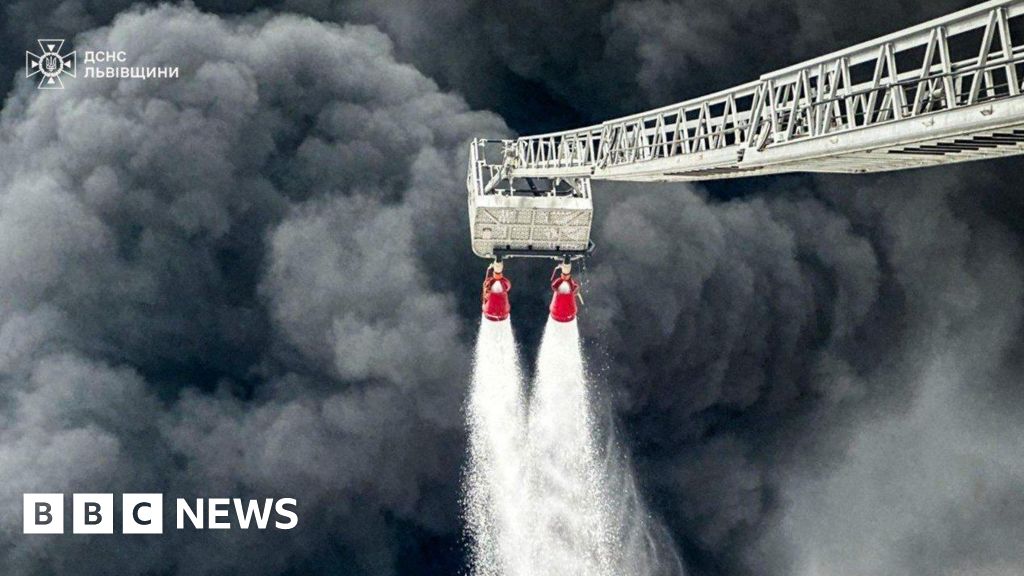
€90bn in EU financial support for Ukraine is being held up by a dispute between Ukraine and Hungary/Slovakia over the Druzhba oil pipeline after the Brody pumping station was hit on 27 January and oil stopped flowing. Ukraine says repairs will take about six weeks and lacks resources; Hungary accuses Kyiv of politically motivated delays, complicating EU decision-making and raising near-term fuel risks for Hungary and Slovakia. The Brody site contains Ukraine's largest oil tank (75,000 cu.m) which reportedly burned for days and may have damaged pumps, sensors and safety systems; Hungary is pivoting to seaborne Brent but MOL refineries are not fully configured for lower-sulphur crude.
A politically-motivated regional transit disruption has become a persistent asymmetric risk vector for EU decision-making; if the incumbent Hungarian government wins re-election on 12 April the market should price a >50% chance that leverage against EU instruments continues for at least another quarter. That dynamic raises probability-weighted political risk premia on Central European assets and on any instruments explicitly tied to EU conditionality, compressing rally potential even if technical fixes are available quickly.
On the energy side, the sudden rerouting to seaborne supplies and ad hoc pipeline alternatives creates a crude slate mismatch across refineries: we estimate 20–30% of the regional conversion capacity faces incremental desalting, hydrotreating and coker/Olefins deficits relative to seaborne light-sweet grades, pushing local diesel/splitter cracks higher by an expected $7–12/bbl versus NWE benchmarks over the next 1–3 months. That margin shock translates into differentiated P&L outcomes — refiners with deep conversion and flexible feedstock sourcing capture most upside while simple hydroskimming assets face margin erosion and inventory revaluation risk.
Secondary beneficiaries include short sea/intra-Europe product tanker owners and pipeline operators that can absorb redirected seaborne flows: MR product tonne-mile demand should rise materially in the short run, supporting spot TC rates and tightening time-charter availability. Key catalysts to watch that will reverse this trade are (a) a negotiated political settlement or EU-mediated funding for expedited repairs within 2–6 weeks, (b) an accelerated engineering assessment revealing limited internal-system damage, or (c) a broader strategic pivot by large crude exporters to lock in term cargoes into Adriatic/Gulf of OMIŠALJ ports — each would quickly normalise differentials and compress the premium in regional cracks and shipping rates.
AI-powered research, real-time alerts, and portfolio analytics for institutional investors.
Request DemoOverall Sentiment
moderately negative
Sentiment Score
-0.60
