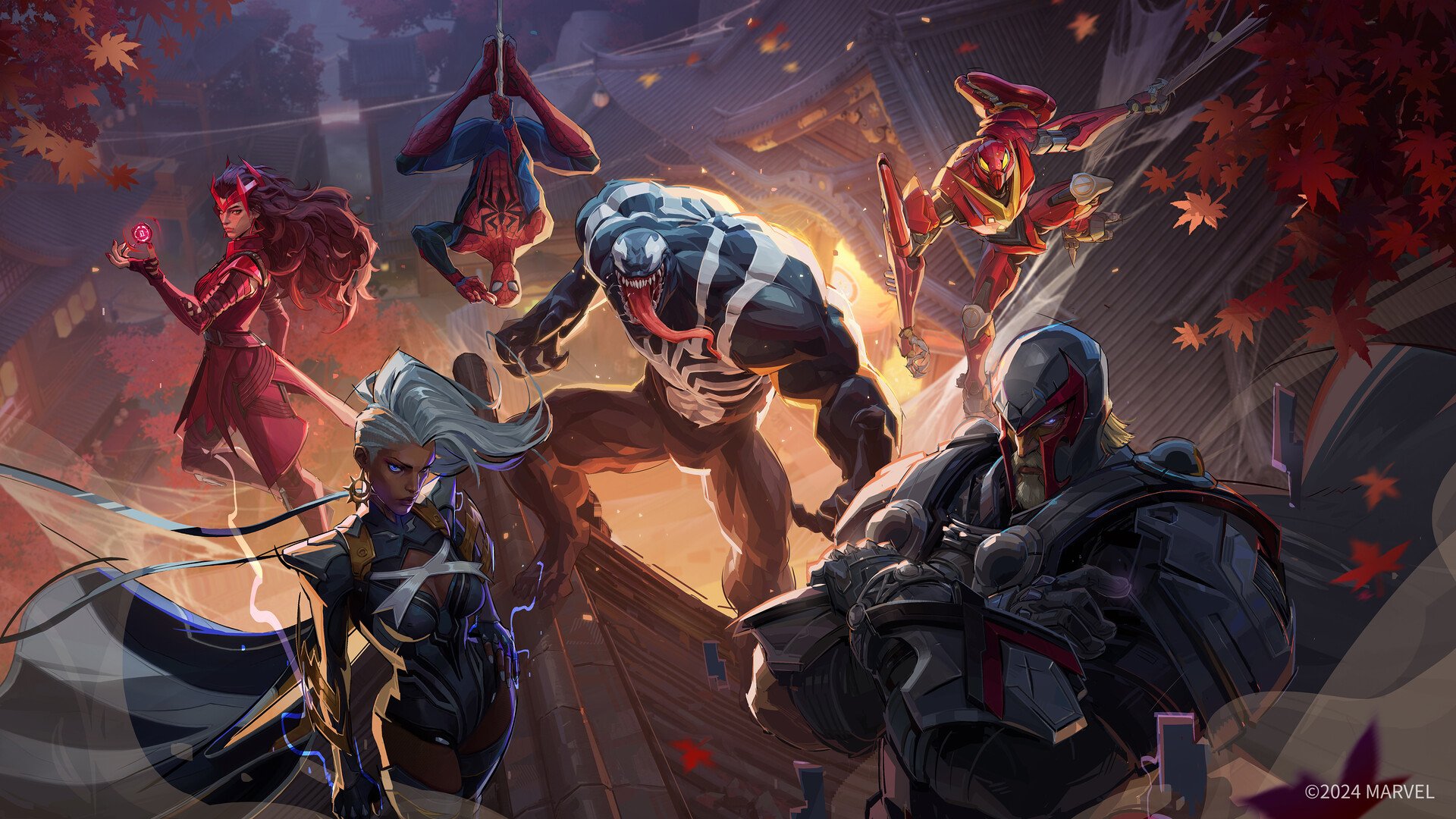
NetEase permanently banned 485 Marvel Rivals accounts and three devices after detecting cheating tied to the May 21, 2026 weekend update. The company says it has logged the cheat signatures into its automated penalty system and will immediately ban any related violations going forward. The news is negative for game integrity and user trust, though the direct market impact is likely limited.
This is less about the headline ban count and more about an operational inflection point: NetEase is demonstrating that its anti-cheat stack can move from passive detection to rapid signature-to-enforcement conversion within days. That matters because it raises the expected cost of cheating for organized sellers, which should compress cheat ROI, reduce repeat offender persistence, and force a migration toward more expensive, lower-throughput methods. In other words, the immediate P&L hit to the game is likely small; the more important effect is a gradual improvement in trust, match quality, and retention if enforcement stays consistent.
The second-order risk is execution credibility. A high-profile purge creates a short-term fairness narrative boost, but it also reveals that cheating was materially degrading the experience enough to require a public reset. If enforcement becomes cyclical—spike, purge, spike again—players infer the product is still porous, and churn risk rises over the next 1-2 quarters, especially among high-engagement competitive users who are most sensitive to integrity issues. The device bans are the key tell: if those stick, the deterrent curve improves; if bad actors simply re-enter via new hardware or alternate accounts, the update becomes a headline without lasting economic benefit.
For NTES, the balance is mildly constructive but not a clean fundamental rerate. The downside case is not direct revenue loss from the bans; it is reputational leakage into live-ops monetization, where even a low-single-digit deterioration in payer conversion or session frequency can matter more than the enforcement spend. The contrarian view is that the market may overread the governance angle from a single enforcement event: the company’s willingness to harden the ecosystem may actually protect long-duration franchise value, but only if management pairs security with visible content cadence and a better operating cadence than the staff cuts suggest.
AI-powered research, real-time alerts, and portfolio analytics for institutional investors.
Request DemoOverall Sentiment
mildly negative
Sentiment Score
-0.15
Ticker Sentiment
