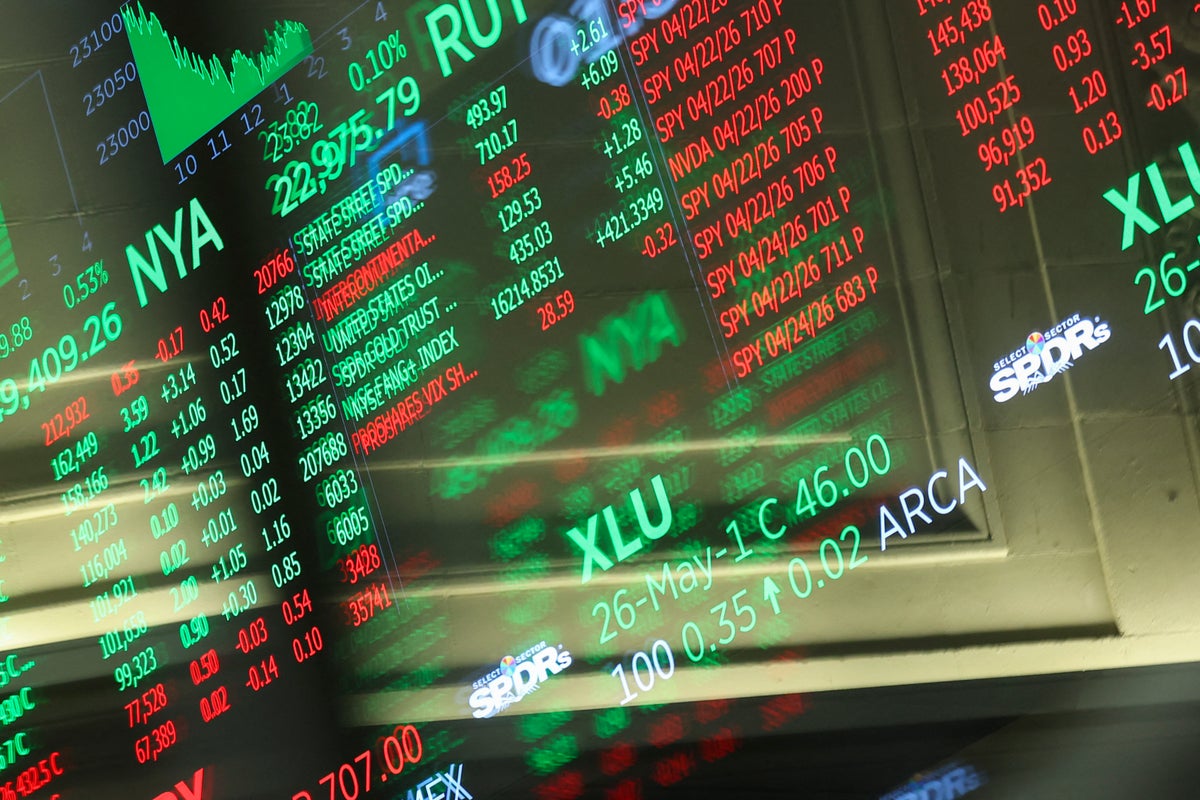
Asian equities fell as escalating US-Iran tensions hit risk assets, with the S&P 500 down 0.4%, the Dow off 1.1%, and the Nasdaq down 0.2% from record levels on Monday. Brent crude eased $1.22 to $113.22 per barrel after briefly topping $114, while U.S. crude fell $2.08 to $104.34 as the Strait of Hormuz remained under pressure from conflict-related disruptions. Hong Kong's Hang Seng lost 1.1%, Australia’s S&P/ASX 200 slipped 0.5%, and the dollar edged slightly higher versus the yen.
The market is still treating this as a headline shock, but the more important signal is a shift in distribution tails for crude and shipping. If even a modest portion of tanker traffic stays offline for weeks rather than days, the first-order move is not just higher oil — it is a widening in regional freight insurance, bunker costs, and working-capital needs for every importer that relies on spot cargoes. That tends to hit airlines, chemicals, and select industrials before it fully shows up in equity indices, and it also creates a relative winner set in upstream energy and defense/logistics-adjacent names.
The second-order risk is that the current “safe passage” narrative becomes self-defeating: each escorted transit may reduce immediate bottlenecks while increasing the odds of a larger retaliatory event. That makes near-dated vol underpriced relative to the tail, especially across energy and transport proxies. The key horizon is days to two weeks for sentiment and flows, but one to three months for actual earnings revisions as higher input costs and disrupted routing bleed into margins.
Consensus likely overweights the idea that oil can mean-revert quickly because some vessels are moving again. What matters is inbound flow, not just outbound flow; if replenishment remains constrained, inventories in the Gulf and Asia can tighten even while headline traffic looks okay. In that setup, the market can stay risk-off without needing a fresh escalation — a classic condition for weak breadth, factor de-grossing, and a persistent bid to cash and USD funding instruments.
AI-powered research, real-time alerts, and portfolio analytics for institutional investors.
Overall Sentiment
strongly negative
Sentiment Score
-0.55
Ticker Sentiment
