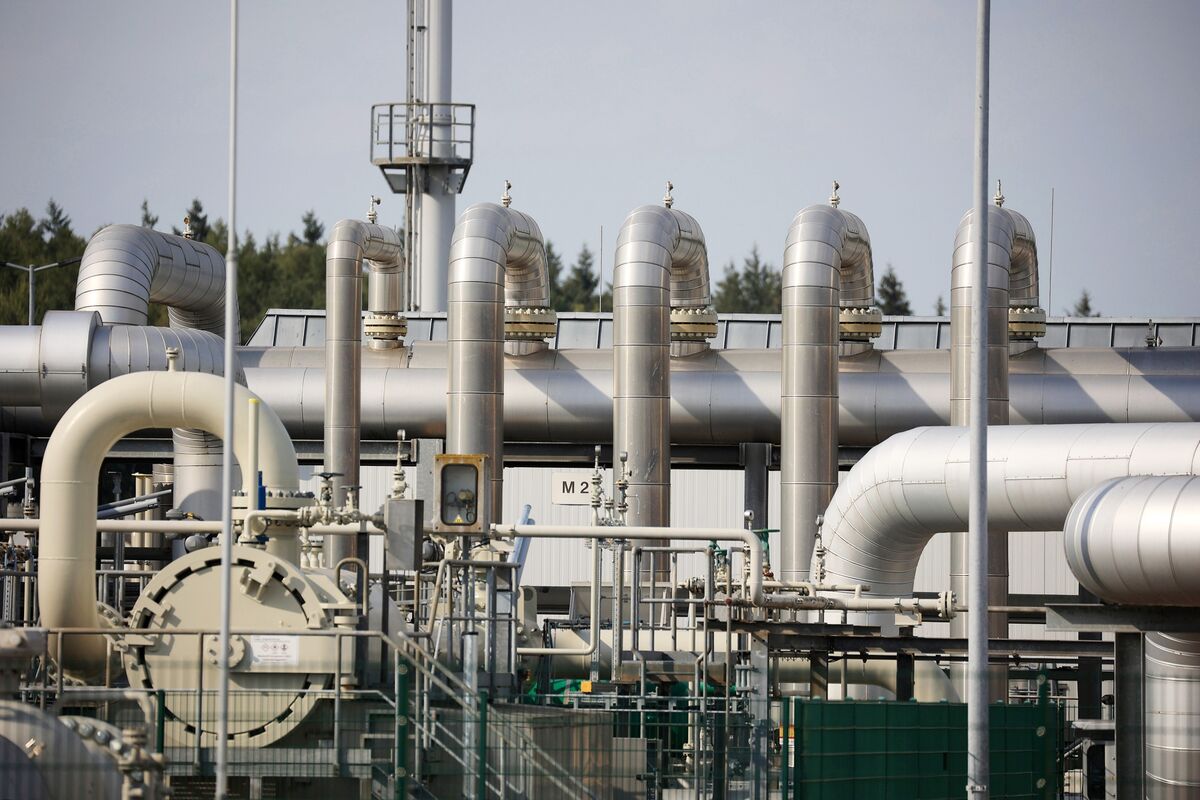
Germany is considering establishing a state-owned strategic gas reserve, akin to the U.S. Strategic Petroleum Reserve, to enhance energy security. The economy ministry has commissioned experts to assess the feasibility of state-controlled gas storage facilities, as current private storage operators prioritize profit, potentially leaving the nation vulnerable during peak demand periods.
Germany is actively exploring the creation of a state-owned strategic natural gas reserve, a model comparable to the United States' emergency oil reserve, according to individuals familiar with the confidential discussions. The German economy ministry has commissioned experts to evaluate the feasibility of such a system. This potential policy shift contrasts with the current market structure where private companies manage most gas storage facilities, purchasing gas during summer for storage and subsequent sale, aiming for profit during higher-demand winter months. The move towards state-controlled storage suggests a governmental objective to enhance national energy security and potentially address vulnerabilities inherent in a system primarily driven by private commercial interests, particularly during peak demand or supply disruptions. The sentiment surrounding this development is mildly positive, indicating a perception of increased stability, though market impact is currently assessed as low, reflecting the preliminary nature of these discussions.
AI-powered research, real-time alerts, and portfolio analytics for institutional investors.
Request DemoOverall Sentiment
mildly positive
Sentiment Score
0.25
