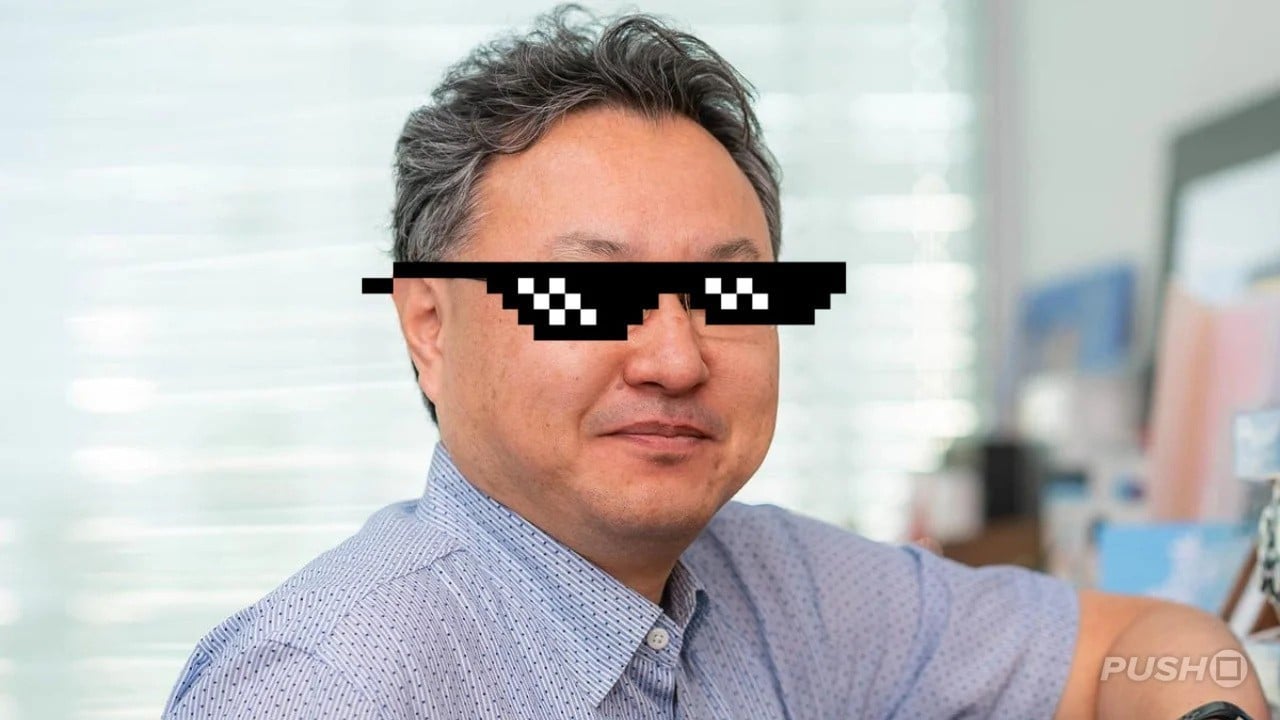
Shuhei Yoshida said he was removed as President of SIE Worldwide Studios in 2019 after Jim Ryan wanted him out of first-party leadership because he would not agree to certain requests. Yoshida was replaced by Hermen Hulst and reassigned to lead Sony's indie games initiative, a role he says he enjoyed and continues in a freelance advisory capacity through Yosp Inc. The article is primarily a retrospective on Sony PlayStation leadership and has limited direct market impact.
This is a governance signal more than a near-term earnings catalyst. In creative-content businesses, the constraint is often not capital but decision velocity; a leadership shift driven by disagreement over strategy usually implies a harder push for tighter operating control, which can improve portfolio discipline in the medium term but raises the risk of creative attrition and lower hit-rate on first-party titles. For SONY, the market is unlikely to re-rate on the headline, but the second-order question is whether leadership centralization accelerates production consistency at the expense of the kind of autonomy that produces breakout IP.
The bullish read is that this kind of friction often resolves into sharper capital allocation: fewer prestige projects, more accountable greenlighting, and better synergy between first-party and platform monetization. The bearish read is that the best studios and executives can become more alienated when centralized management imposes process over creative judgment, which can show up 12-24 months later as slower launch cadence, weaker talent retention, and higher reliance on third-party content. That matters because the gaming segment’s value is increasingly driven by ecosystem engagement rather than one-off releases; any perceived weakening of the content funnel can compress the multiple even if current bookings hold up.
The contrarian point is that investors may over-interpret this as a pure negative for Sony when it may actually reduce internal governance risk and improve execution discipline. The real risk is not this departure itself, but whether it foreshadows a broader tightening of Sony’s first-party culture that makes the company less differentiated versus competitors with more creator-led studios. If the market starts to price a lower probability of blockbuster exclusives over the next 2-3 release cycles, that would matter more than the personnel story itself.
AI-powered research, real-time alerts, and portfolio analytics for institutional investors.
Request DemoOverall Sentiment
neutral
Sentiment Score
0.00
Ticker Sentiment
