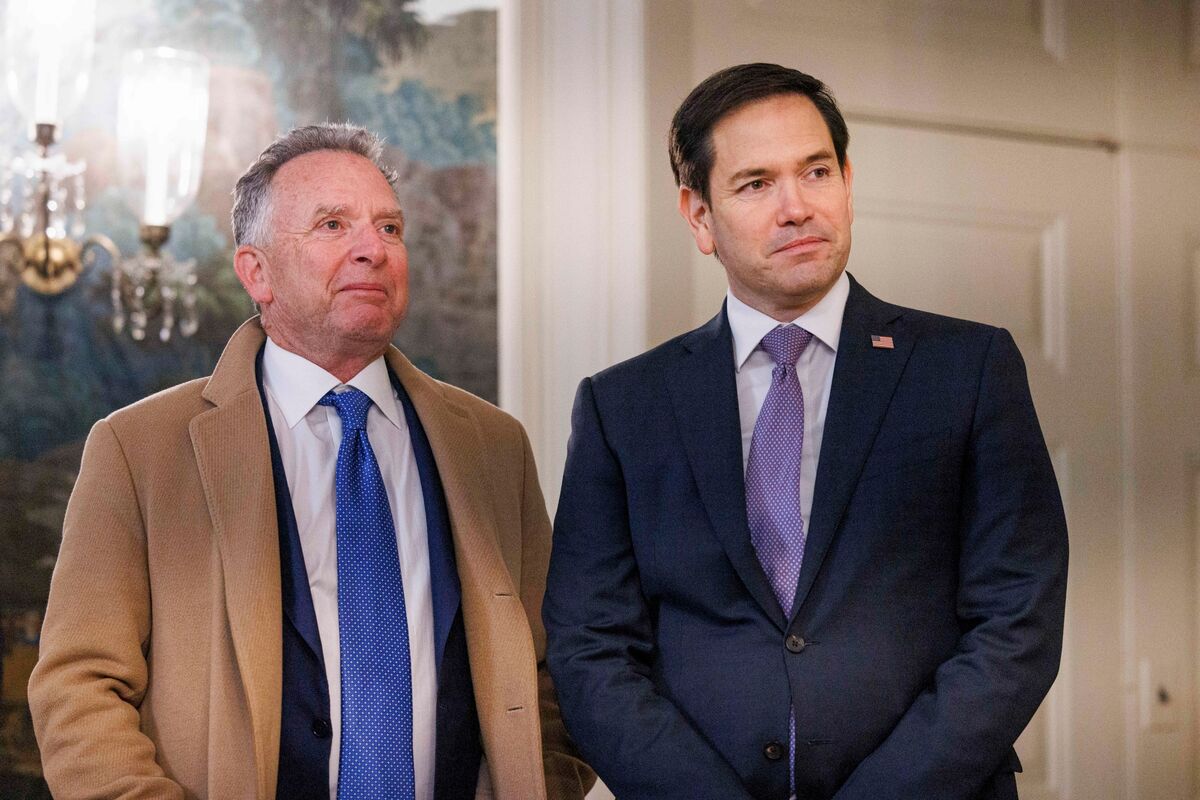
U.S. officials will meet a Ukrainian delegation at 9 a.m. Sunday in Hallandale Beach, Florida, as part of White House efforts to broker an agreement to end the Kremlin’s nearly four-year war in Ukraine. Attendees include Marco Rubio, special envoy Steve Witkoff and Jared Kushner, according to a State Department statement; the meeting is a diplomatic step that could influence geopolitical risk but contains no immediate economic or market-moving details.
Market structure: A credible diplomatic push toward a negotiated end to the Russia–Ukraine war would mechanically re-price risk premia across defense, energy and grain markets. Expect 5–15% downside risk to front-line defense contractors (LMT, RTX, NOC) on confirmed ceasefire news within 30–90 days, while agricultural exporters/processors (BG, ADM) could see volume tailwinds and margin relief as Black Sea flows normalize over 3–9 months. Commodities: wheat and sunflower oil prices could fall 10–30% if port access resumes; oil price upside is capped if sanctions/flows are eased.
Risk assessment: Tail risks include a failed or staged agreement that triggers renewed fighting (big upside for defense, commodity spikes) or a Western political backlash that restores sanctions on Russia regardless of talks. Near-term (days) volatility is high around announcements; medium-term (weeks–months) depends on operational implementation (port corridors, sanction carve-outs); long-term (years) depends on reconstruction flows and potential normalization of Russian trade. Hidden dependencies: shipping insurance, banking correspondent access, and insurance on grain shipments will determine real flow changes, not just political statements.
Trade implications: Favor small, hedged positions sized 0.5–3% of NAV: short tenor in defense stocks or buy 3-month put spreads to capture a 8–12% downside on confirmed peace steps; go long agricultural processors/transport names for 6–12 months to capture restored volumes and lower input costs. Cross-asset: reduce short-duration Treasury exposure on confirmed de-risking; consider long EM FX (RUB or regional currencies) only if sanctions language softens—monitor 30–60 day windows.
Contrarian angle: Consensus assumes peace reduces defense demand permanently; historically (Balkans, Middle East deals) defense budgets often re-base but sustain follow-on modernization funding, so a full derating may be overdone. Mispricing opportunities exist in deep cyclicals exposed to grain logistics (BG, ADM) which may re-rate 10–25% within 6–12 months if export corridors open; conversely, shorting large defense caps indiscriminately risks a policy-driven re-armament cycle if the agreement collapses.
AI-powered research, real-time alerts, and portfolio analytics for institutional investors.
Request DemoOverall Sentiment
neutral
Sentiment Score
0.00
