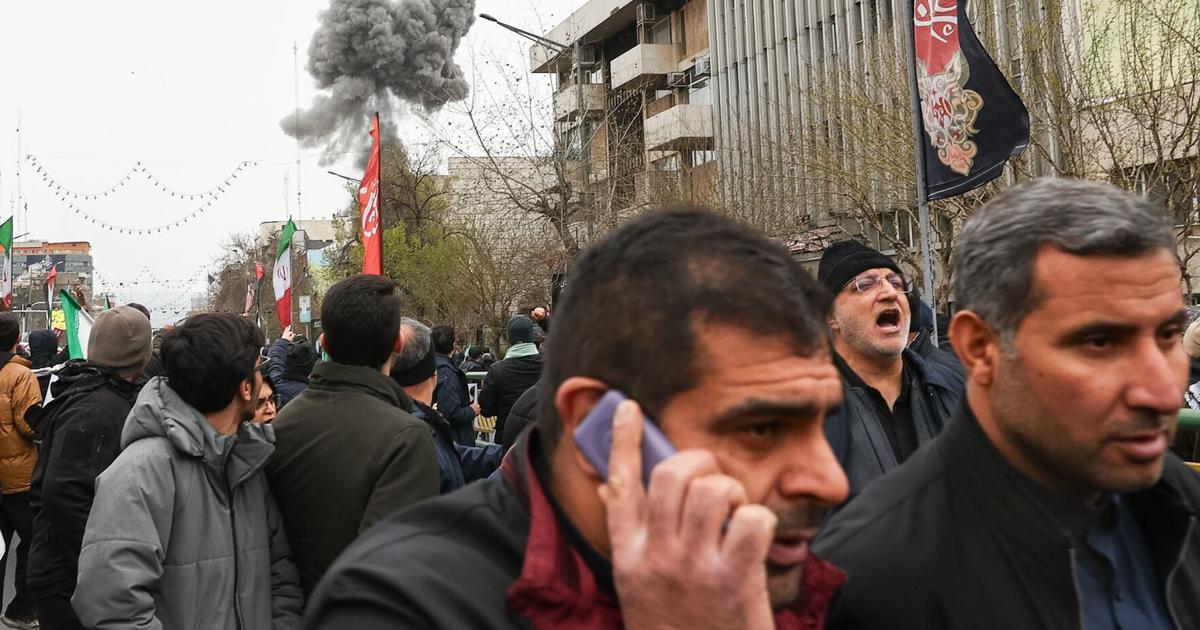
U.S. ordered ~2,500 additional Marines and the amphibious assault ship USS Tripoli to the Middle East while President Trump said U.S. forces struck military sites on Iran’s Kharg Island and warned Iran's oil infrastructure could be targeted. The conflict has effectively closed the Strait of Hormuz (≈20% of traded oil), U.S. officials report ~15,000 targets struck in Iran since the war began, and there are mounting casualties (at least 13 U.S. service members, ~800 killed in Lebanon and ~850,000 displaced), elevating regional instability. Implication: material near-term oil-supply and shipping disruption risk — adopt risk-off posture, monitor oil prices, shipping routes, insurance/premia and defense-sector developments closely.
The most immediate market consequence is a jump in real shipping and war-risk frictions rather than a simple barrels-on-the-water shortage; expect VLCC/tanker freight rates and marine insurance (war-risk) premia to move sharply within days, which will raise delivered crude cost into Europe/Asia by $3–6/bbl even if physical Iranian volumes remain in limbo. That transmission mechanism will widen crack spreads for refiners receiving cheaper light sweet grades and compress margins for importers and trading houses forced into longer voyages around the Cape of Good Hope over weeks-to-months.
Defense and logistics suppliers stand to see persistent order and margin tailwinds: amphibious and expeditionary capabilities, long-lead ship repairs, and air-refueling demand imply multi-quarter revenue visibility for select primes and specialist shipyards; discount rates are likely to re-rate those cash flows if strikes persist beyond 90 days. Conversely, Gulf sovereign liquidity and regional banking stresses are second-order negative for local credit and Euroclear/clearance flows—expect widening CDS on smaller Gulf banks and higher rollover costs in the 3–12 month window.
The biggest regime risk is duration: a brief tactical flare-up (days–weeks) produces commodity whipsaws and transient rate spikes, but sustained closure of Hormuz or targeted strikes on terminal infrastructure would push Brent into a structural premium, trigger strategic releases, and force inventory drawdowns over 1–6 months. Reversal catalysts include coordinated SPR releases, a credible de-escalation track tied to third-party mediation, or rapid re-routing/logistics fixes that bring effective marginal delivered supply costs back under $5–7/bbl of pre-crisis levels within 30–60 days.
AI-powered research, real-time alerts, and portfolio analytics for institutional investors.
Request DemoOverall Sentiment
strongly negative
Sentiment Score
-0.80
