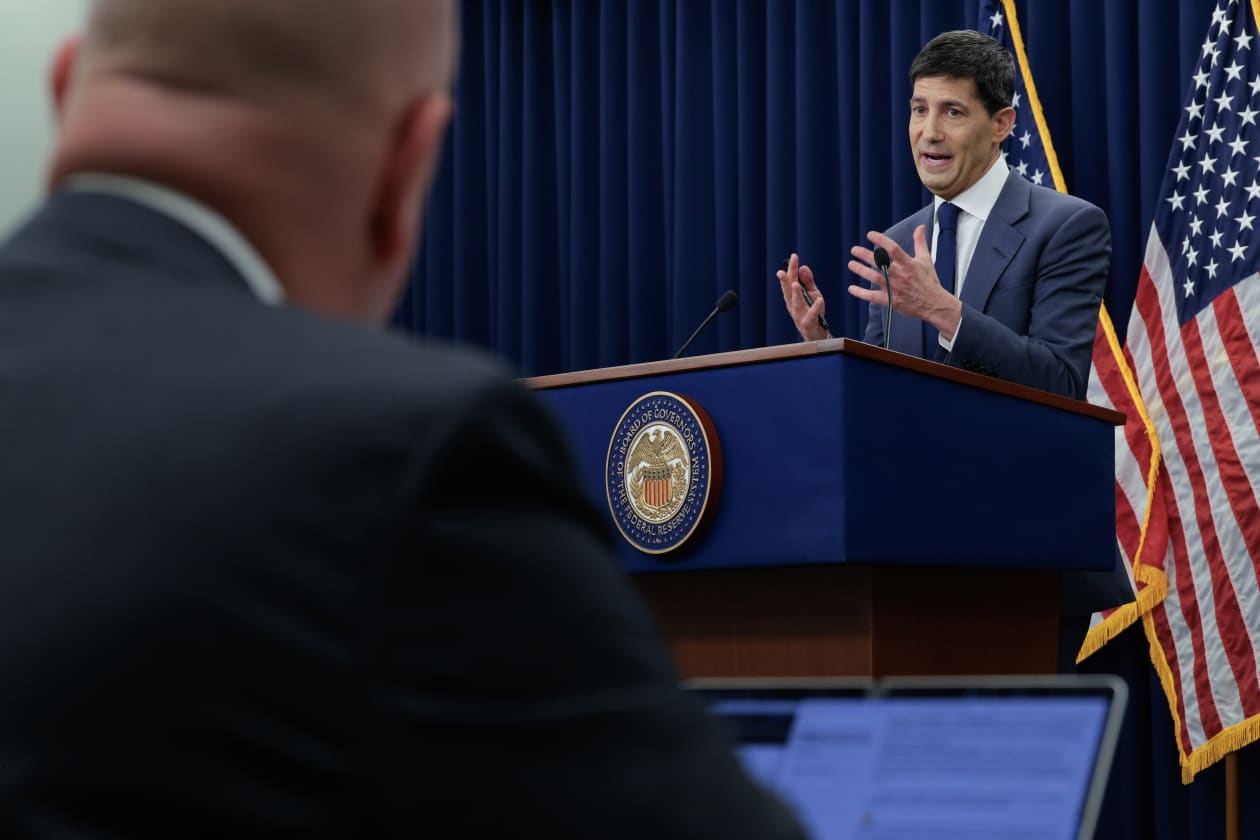
Fed minutes from the prior meeting show that a “few” officials argued there was a case to hike rates in June, even though the committee ultimately voted to keep the policy rate unchanged. Rate-hike supporters still backed holding the current target “at this meeting,” suggesting hawkish undercurrents rather than an immediate move. This increases near-term uncertainty for rates/yields and could keep upward pressure on pricing for rate cuts.
This is a positioning signal more than a macro regime change: a small subset of officials considering a hike matters mainly because it pushes back against the market’s assumption that the next move is down. The first-order market reaction should be in the front end of the curve and in rate-sensitive equity multiples; the bigger second-order effect is tighter financial conditions feeding through to loan demand, refinancing activity, and consumer discretionary spend over the next 1-3 months.
For OZK, higher-for-longer is not automatically bearish: asset-sensitive banks can see near-term NII support if loan yields reset faster than deposit costs. But if the market starts to price an actual hike, the credit-cycle implication dominates after a lag — slower commercial real estate activity, softer underwriting, and more expensive wholesale funding are the real risks. For TGT, the signal is cleaner: sustained restrictive policy keeps pressure on real disposable income and delays the relief trade in discretionary retail; any benefit from trade-down behavior is likely offset by softer basket sizes and promotional intensity.
The contrarian point is that this is still a "few" officials, not a board-wide pivot, so the move is easy to overread. Unless next inflation and labor prints reaccelerate, this likely caps the speed of easing rather than creates a genuine hike cycle. The thesis is falsified if the next CPI/PCE and payroll data re-anchor cut expectations or if Fed funds futures quickly reprice back toward easing within the next 2-4 weeks.
AI-powered research, real-time alerts, and portfolio analytics for institutional investors.
Request DemoOverall Sentiment
mildly negative
Sentiment Score
-0.10
Ticker Sentiment
