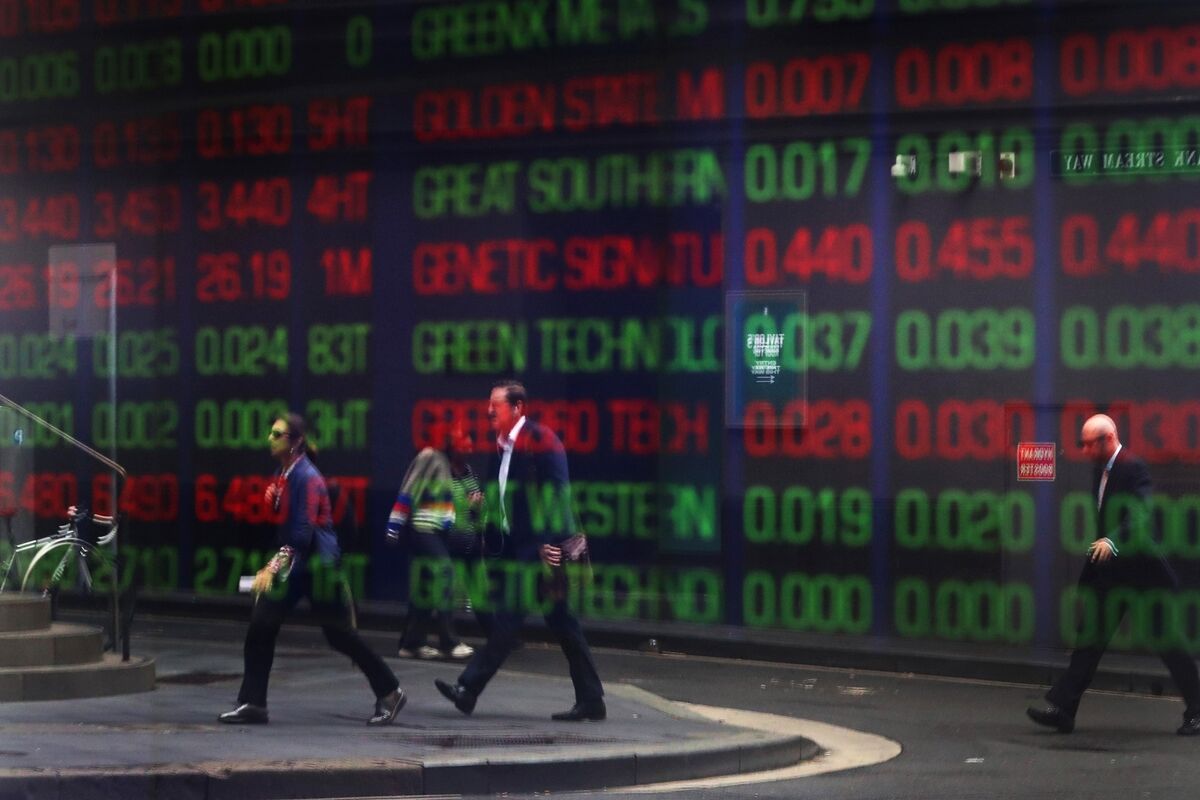
ASX experienced a technical outage on Monday that halted company announcements for several hours, but reported on its Systems Status page that all price-sensitive announcements lodged on Dec. 1 have now been successfully submitted and published. While the issue has been resolved, the incident adds to recent operational mishaps at the exchange and underscores ongoing operational risk to information dissemination and short-term market functioning; investors should monitor for any follow-up disclosures or system reviews from ASX.
Market structure: A technical outage at ASX elevates the exchange operator as the direct loser (reputational risk, potential fines, order-flow disruption) while vendors selling resiliency/cybersecurity and competing exchange operators (NDAQ, ICE) are indirect winners as liquidity and hosting demand can reallocate. Broker-dealers and ETF providers temporarily lose execution certainty, creating bid/offer widening risk intraday; expect microstructure frictions to raise effective spreads by ~5–20% in acute episodes for hours to days.
Risk assessment: Tail risks include a prolonged multi-day outage or a substantive ASIC enforcement action (fines/capital requirements in the A$10–100m band) that could knock 10–25% off ASX’s short-term valuation; likelihood low but non-zero over 30–90 days. Hidden dependencies: ETF creation/redemption chains and market-makers’ connectivity; NAV mismarking or forced redemptions could cascade into liquidity shocks. Catalysts: ASIC incident report, ASX earnings guidance updates, or a repeat outage—any within 30–90 days will re-rate risk premia.
Trade implications: Short-term (days–weeks) expect higher implied vol for ASX and select brokers—use 1–3 month put structures to express downside; medium-term (3–12 months) favor vendors selling resiliency and global exchanges capturing flow. Re-rate targets: a credible remediation plan announced should compress spreads and restore shares within 3–6 months; absent that, legacy valuation multiples could compress 10–20%.
Contrarian angles: Consensus likely underestimates second-order revenue loss from lost IPOs/Institutional flow (could be 2–5% revenue hit over a quarter). Historical parallels (NASDAQ outages 2013) show short-lived price hits but permanent governance/tech spend follows—so a measured short-to-hedged trade, paired with longs in infra/cyber suppliers, captures asymmetric payoff if regulatory scrutiny intensifies.
AI-powered research, real-time alerts, and portfolio analytics for institutional investors.
Request DemoOverall Sentiment
neutral
Sentiment Score
-0.05
