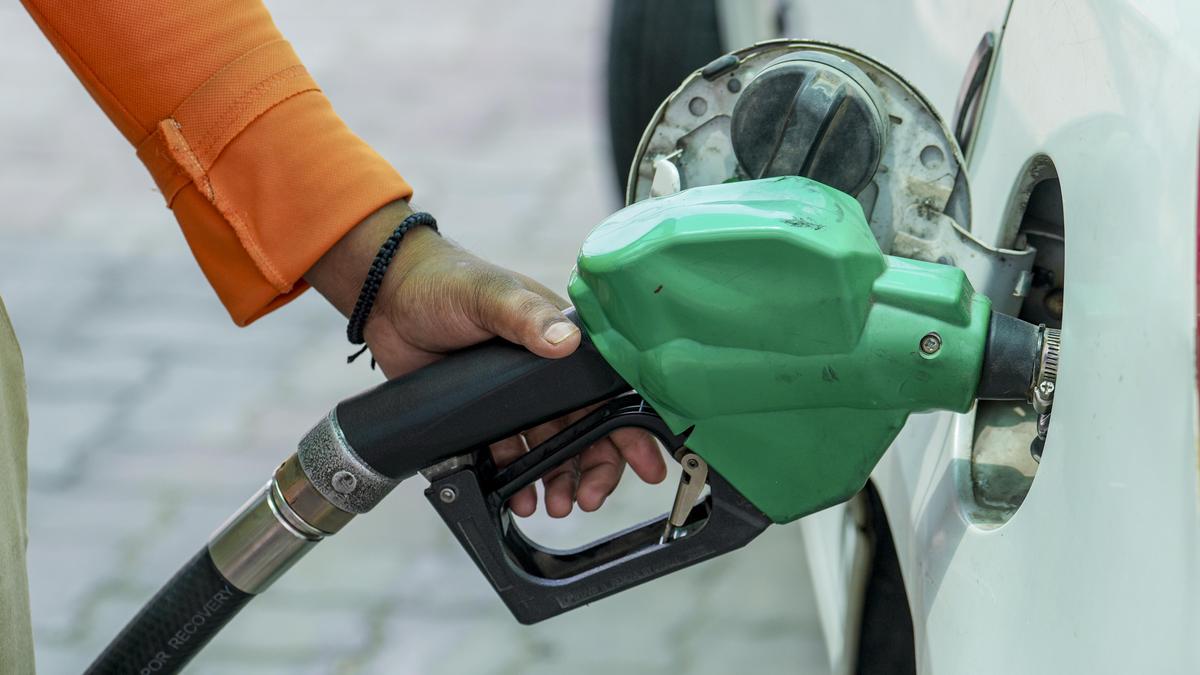
State-owned oil companies raised fuel prices again on May 25, with petrol up ₹2.85 and diesel up ₹2.84 in Ernakulam, bringing Kerala-wide cumulative increases since May 15 to ₹8.01 for petrol and ₹7.93 for diesel. The article ties the move to the West Asia conflict and crude oil disruption, while noting higher transport-linked pricing in other districts and no visible drop in consumption. The repeated hikes add near-term inflation pressure for consumers and fuel-intensive sectors, but the immediate market impact is likely limited.
The immediate market read is not just higher fuel inflation, but a faster pass-through regime. When adjustments arrive in rapid succession, households and fleet operators stop treating fuel as a one-off shock and start embedding it into route planning, inventory behavior, and wage negotiations; that raises the odds of a stickier CPI impulse than the nominal size of the move suggests. The regional nature matters too: transport-linked price dispersion widens between refinery-adjacent and distant markets, effectively acting like a tax on interior consumption and logistics-heavy businesses.
The second-order winner is the organized retail/fleet ecosystem that can arbitrage urgency. Dealers and pumps benefit from panic-top-up behavior and higher throughput, but the bigger beneficiaries are upstream distributors and larger integrated players with pricing power and working-capital flexibility. The margin squeeze is likely most acute for small transport operators, local delivery networks, and consumer-facing businesses with low ability to surcharge quickly; their earnings drag should show up before macro data fully captures the inflation hit.
A less obvious risk is that credit tightening among dealers can create intermittent availability issues even without physical supply disruption. If advance-payment terms persist, smaller outlets may understock into further hikes, which can temporarily tighten local supply and amplify price spikes at the margin. That makes the next 1-3 weeks the critical window: if crude eases or geopolitical premium fades, the demand-pull front-loading should unwind; if not, fuel inflation can begin to contaminate July quarter margins across transport, logistics, and discretionary retail.
The consensus may be overestimating how quickly demand will fall. In the near term, consumers often increase purchases after price hikes rather than cut back, so volume can remain resilient for several weeks even as affordability worsens. The more important medium-term effect is not outright demand destruction but substitution: more efficient vehicle use, softer discretionary travel, and slower conversion of operating cost increases into final prices, which compresses merchant margins first and consumer demand later.
AI-powered research, real-time alerts, and portfolio analytics for institutional investors.
Request DemoOverall Sentiment
mildly negative
Sentiment Score
-0.35
