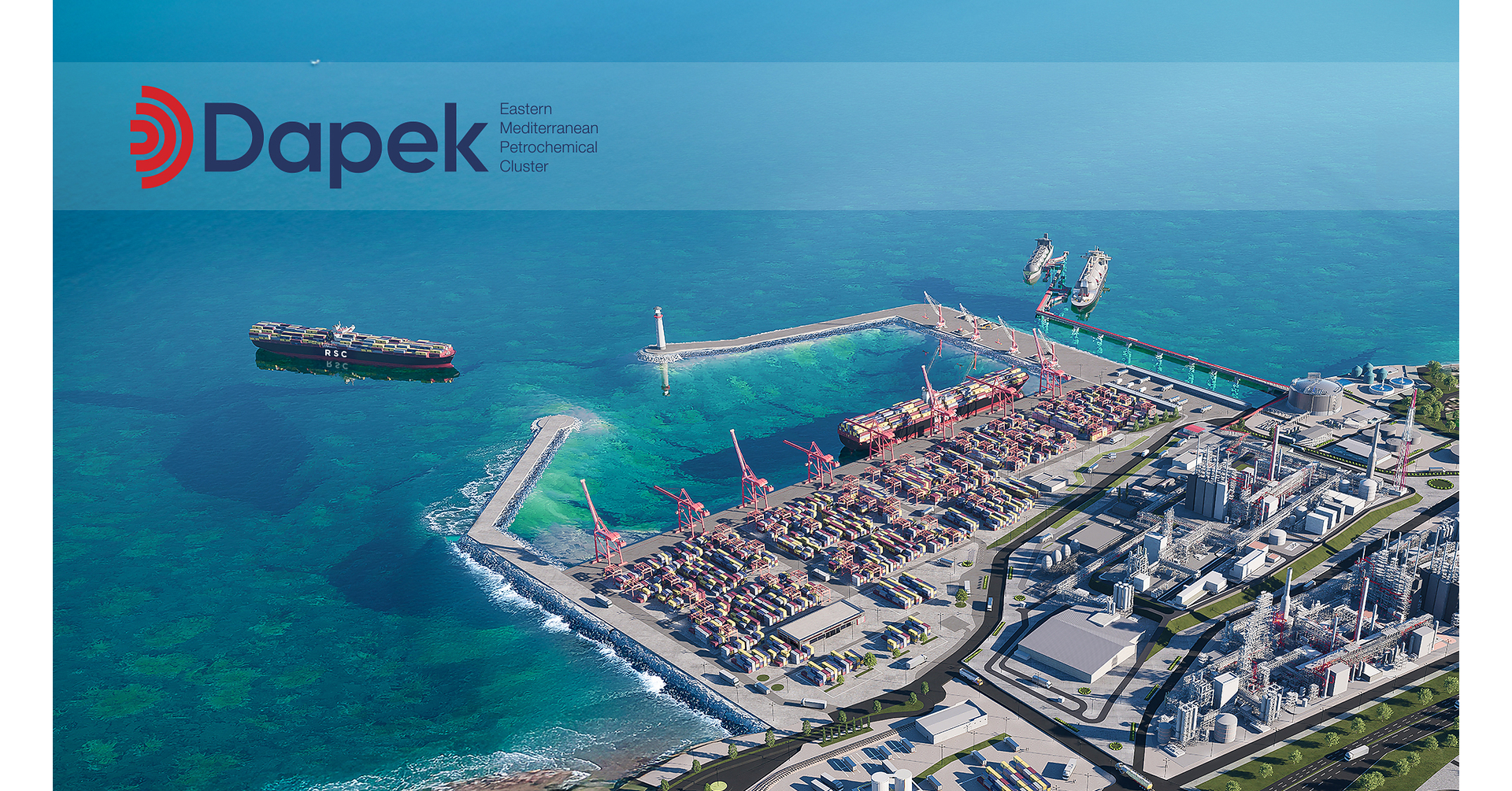
DAPEK (cluster petroquímico del Mediterráneo Oriental en Ceyhan) supera los US$3.000 millones de inversión, impulsado por una planta de polipropileno y una terminal de graneles líquidos, con foco en desarrollo portuario, energía y logística integradas. La planta de polipropileno aportará 472.500 toneladas/año (~17% de la demanda de Turquía) y se estima un impacto anual de ~US$300 millones en la balanza por cuenta corriente, reduciendo la dependencia de importaciones. El proyecto ya apoya 4.000 empleos (70% locales) y apunta a superar 4.500 a fin de año; el artículo señala mayor tracción de inversores internacionales vía la alianza con Surbana Jurong.
This is more of a strategic-industrial buildout than an earnings event, so the market should discount most of the headline enthusiasm until there is evidence of operating uptime, feedstock economics, and customer offtake. The near-term equity impact on global polypropylene pricing is likely immaterial: a sub-1% change to global balances does not move the needle, but it can matter at the margin for Mediterranean import flows and for European producers that relied on Turkey as a destination market.
The second-order winner is Turkey’s domestic industrial base, not the project sponsor alone. If the cluster works, it lowers landed input costs for local packaging, consumer, auto, and appliance supply chains, which can widen margins for converters and improve inventory resilience versus imported resin. The weaker counterparties are regional PP exporters and certain Mediterranean logistics nodes that lose import throughput; over 6-18 months, the bigger risk is not pricing but substitution of foreign supply with a captive domestic ecosystem that reduces trade intensity.
The contrarian point: investors may be overpaying for optionality before execution risk is cleared. Projects like this usually look strategically obvious but can be value-destructive if power costs, port utilization, FX volatility, or financing conditions impair ramp-up; the real catalyst is not announcement cadence, but first commercial production and sustained utilization. If naphtha/propylene spreads compress or Turkish macro stress forces delays, the thesis weakens quickly.
Time horizon matters: no obvious day-trade here; the relevant window is 6-18 months. A local industrial-success trade could work if the cluster pulls in additional tenants, but absent listed names directly tied to the site, the cleaner expression is a Turkey beta watchlist rather than an outright commodity short.
AI-powered research, real-time alerts, and portfolio analytics for institutional investors.
Request DemoOverall Sentiment
moderately positive
Sentiment Score
0.35
