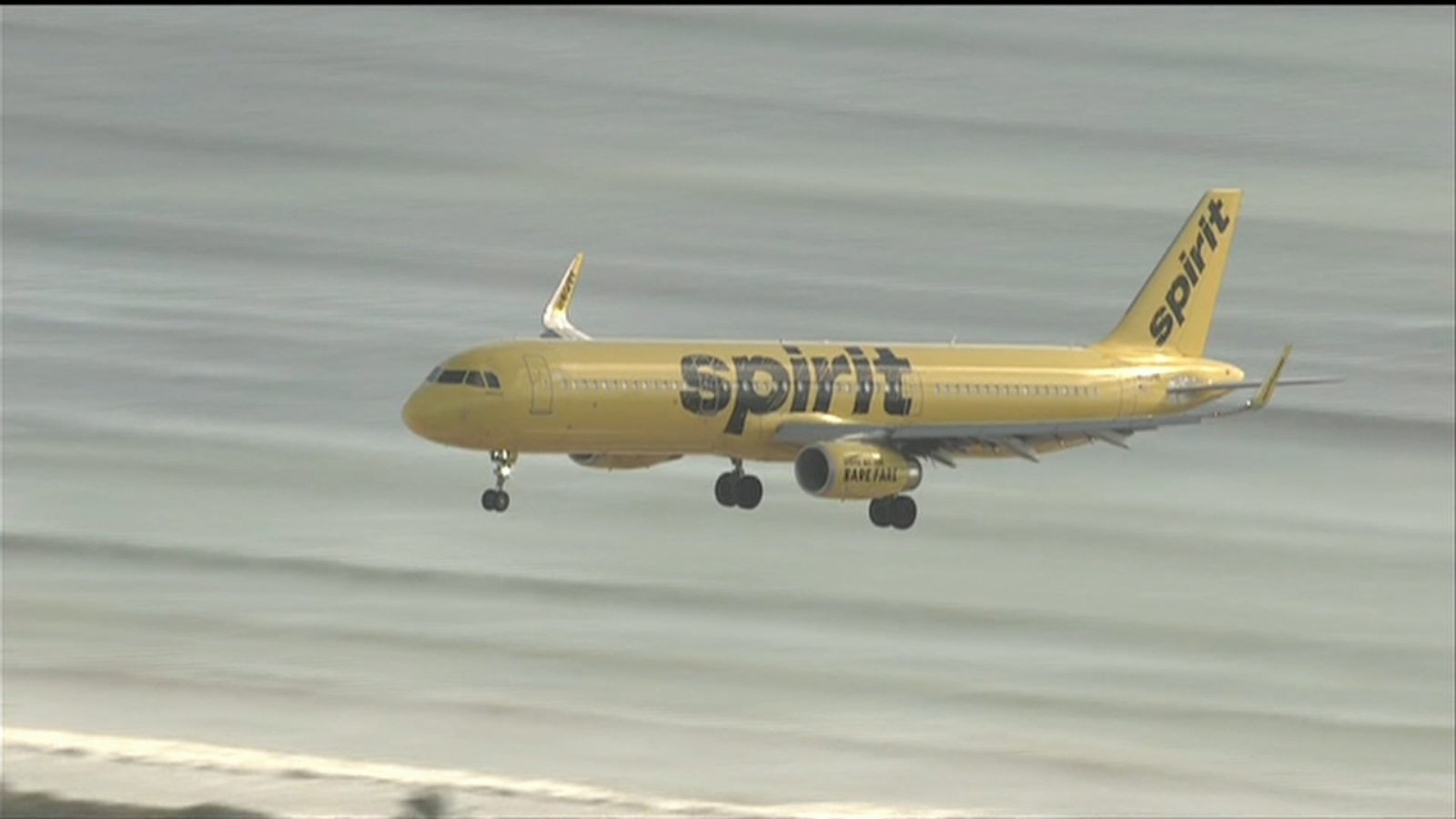
Spirit Airlines is reportedly close to securing a $500 million federal bailout that would include the government taking an equity stake, as the carrier struggles with a second bankruptcy reorganization and rising jet fuel costs. The plan aims to prevent a shutdown that would affect 14,000 jobs, but it has drawn pushback from rival airlines and could lift fares across the industry. Spirit had 25,000 employees and contractors last August and was already warning of substantial doubt about its ability to continue flying.
This is less about saving one airline than about whether the government is implicitly underwriting a floor for ultra-discount capacity. If Spirit survives with public backing, the real transfer is to the rest of the industry: legacy carriers get a near-term pricing tailwind from reduced seat supply, while the political precedent raises the probability that future distress will be politicized rather than resolved through Chapter 11 discipline. That matters because it compresses the normal liquidation premium in airline equities and can keep weak marginal capacity alive longer than fundamentals justify.
The second-order effect is on pricing power, not just capacity. Spirit’s removal or shrinkage would disproportionately hit leisure-heavy, price-sensitive routes where basic economy benchmarking anchors the entire fare stack; even a small capacity reduction can lift industry fare realization for 2-3 quarters if load factors stay tight into summer and fuel remains elevated. But if the bailout is announced, the immediate rally in airline shares could fade quickly as investors reprice regulatory risk, labor expectations, and the possibility that more carriers seek the same treatment when margins compress.
The contrarian angle is that the market may be overestimating how stimulative a bailout is for the sector. A government stake in a low-margin carrier does not solve structural unit-cost disadvantage, so the value accrues mainly to customers and employees, not equity holders; any Spirit bounce is likely tactical, not durable. The bigger bear case is that a messy rescue validates the view that airline equity is hostage to policy, making balance-sheet quality and fuel hedging far more important than network growth over the next 6-12 months.
AI-powered research, real-time alerts, and portfolio analytics for institutional investors.
Request TrialOverall Sentiment
strongly negative
Sentiment Score
-0.78
