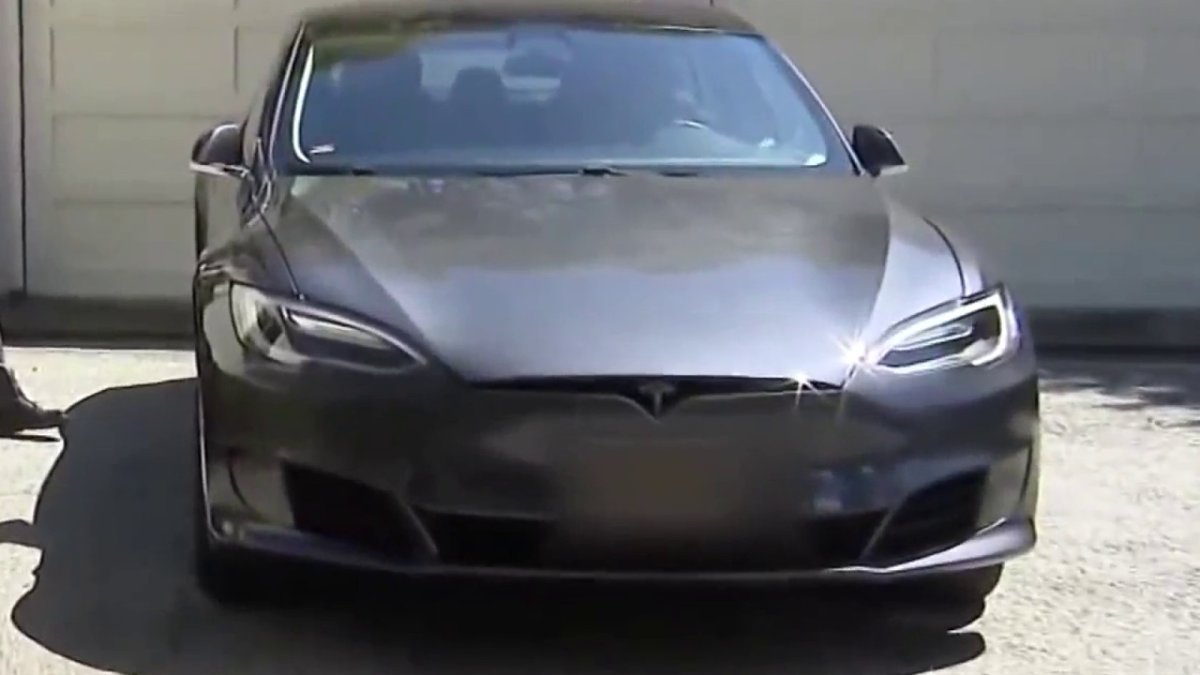
A Bay Area Tesla owner is suing the company over its $8,000 self-driving software, seeking a refund and an order blocking Tesla from marketing it as self-driving. The lawsuit adds to criticism that Tesla's autonomous driving capabilities have fallen short of founder promises, although the article does not indicate any immediate financial impact or company response. The case is one of several similar complaints filed by Tesla owners around the world.
This is less about one complaint and more about the litigation risk premium embedded in Tesla’s autonomy story. The key second-order effect is not damages on a single refund claim; it is discovery risk, which can force internal evidence about marketing language, product capability, and knowledge of limitations into the public record. That has asymmetric downside because it can widen the gap between consumer expectations and what the software can safely deliver, increasing the probability of future class actions, regulatory scrutiny, and a heavier disclosure burden over the next 6-18 months.
The market should also consider demand elasticity at the margin. Tesla’s premium valuation depends partly on the belief that autonomy monetization can be layered onto the fleet; if that pathway is delayed, the software attach-rate becomes more like a litigation overhang than a growth lever. That matters most for new buyers in the $8k-$12k option decision range, where even a small trust hit can reduce conversion, slow mix-up, and pressure gross margin via more incentives over the next few quarters.
Competitively, this is a relative-win for OEMs that sell driver-assistance with tighter positioning and fewer aspirational claims. The opportunity is not that rivals suddenly take share overnight, but that Tesla’s ability to differentiate on software narrative is weakened, which helps legacy automakers and EV peers defend pricing. The contrarian angle: the stock may not react much to one more lawsuit because investors have already discounted regulatory noise; the real risk is a coordinated pattern of cases that convert a branding issue into a product-liability narrative, which can re-rate sentiment faster than fundamentals.
AI-powered research, real-time alerts, and portfolio analytics for institutional investors.
Overall Sentiment
mildly negative
Sentiment Score
-0.35
Ticker Sentiment
