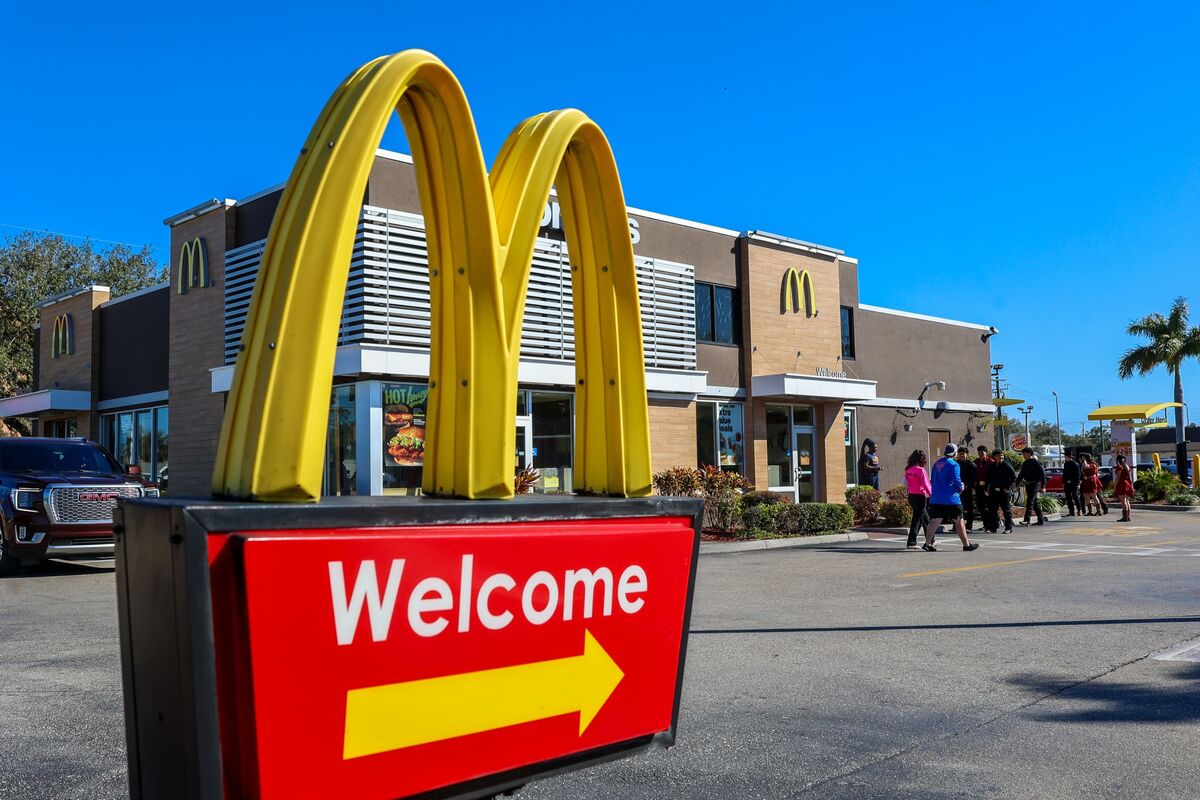
McDonald’s is testing new hand-breaded wings and filets as part of a broader push to make the brand feel more upscale. The company is also investing in restaurant remodels, new playgrounds, and social media campaigns to broaden its appeal beyond quick-service occasions. The strategy is aimed at strengthening customer engagement and supporting long-term traffic growth.
This is less a product story than a category-defense strategy: McDonald’s is trying to reprice itself from commodity convenience into an occasional-destination brand. If it works, the earnings lever is not just traffic but mix — a modest shift toward higher-attached, higher-margin dayparts and family occasions can lift same-store sales without needing a heroic unit-growth assumption. The second-order beneficiary is the broader quick-service supply chain: poultry processors, packaging vendors, and remodel-capex providers could see a multi-quarter order tailwind as the system standardizes on more premium presentation and throughput-friendly kitchen upgrades.
The competitive implication is most acute for value-led chains and chicken-first peers. McDonald’s can absorb margin pressure longer than smaller operators, so if it chooses to subsidize premiumization with aggressive pricing or combo bundles, it can force rivals into a defensive promotion cycle that compresses industry-wide restaurant margins over the next 2-3 quarters. The more interesting loser may be franchise economics: remodels and new equipment improve brand heat, but they also raise capital intensity, which can strain lower-volume franchisees if sales uplift lags by even a low-single-digit percentage.
The risk is that consumers may like the concept but not the frequency; "upscale fast food" can generate a one-time visit bump without changing habitual traffic. That gap typically shows up over 6-18 months, when novelty fades and remodel paybacks are judged against labor inflation and soft discretionary demand. Another tail risk is execution mismatch: premium items slow kitchens, reduce order accuracy, or dilute service speed, which would undercut the core value proposition and hand share back to speed-optimized competitors.
Consensus may be underestimating how often "premiumization" ends up as a branding exercise rather than a durable mix shift. The better question is whether this increases McDonald’s pricing power in a weaker consumer environment; if yes, the upside is real, but if inflation cools and value-seeking intensifies, premium positioning can become a traffic headwind. The setup argues for watching whether this is margin-accretive innovation or just capex with a marketing gloss.
AI-powered research, real-time alerts, and portfolio analytics for institutional investors.
Request DemoOverall Sentiment
mildly positive
Sentiment Score
0.15
