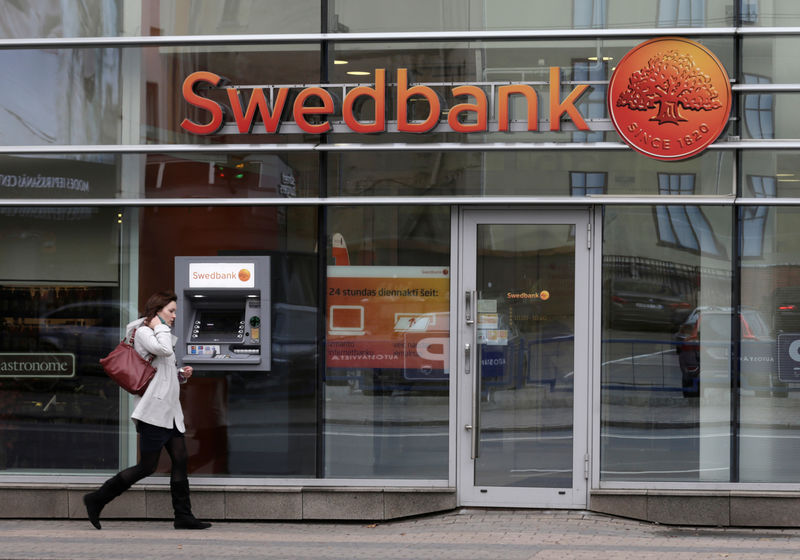
Swedbank reported first-quarter net profit of 7.35 billion Swedish crowns, down 10% from the prior quarter but slightly above the 7.27 billion consensus. Net interest income rose 3% to 11.15 billion crowns and trading income reached 689 million crowns, while expenses increased 10% to 6.88 billion crowns and the bank flagged 1.3 billion crowns of extraordinary restructuring costs in 2026. Credit impairments fell to 164 million crowns, though Swedbank booked 136 million crowns of Middle East-related credit adjustments and warned of further geopolitical risk if the conflict persists.
The market is treating this as a straight energy shock, but the bigger signal is that macro volatility is now leaking directly into bank balance sheets through credit overlays and capital planning. That matters because the first-order hit to earnings is manageable, yet the second-order effect is a higher cost of risk assumptions into 2H26 and a slower pace of capital return if geopolitical conditions persist. For Nordic banks with consumer-credit exposure, the market will start to discount not just provisioning, but also a lower terminal ROE if funding spreads widen and management teams preemptively spend on restructuring.
Swedbank’s cleaner-than-feared operating print is being offset by a strategic move that improves long-run efficiency but creates a near-term earnings and capital drag. The key nuance is timing: the savings are back-end loaded while the charges are front-loaded, so consensus models are likely too aggressive on 2026–27 EPS unless they explicitly haircut fee income and raise opex. If energy prices stay elevated for several months, expect tighter underwriting standards in property-linked lending and consumer finance, which can ripple into Swedish housing/retail sentiment even if reported impairment numbers lag.
The contrarian view is that investors may be overestimating the durability of the oil move and underestimating how quickly policy can cap it. A sharp energy spike can accelerate diplomatic pressure and temporary supply relief, while a banking-sector selloff could prove excessive if higher rates and repricing support net interest income longer than expected. The cleanest risk is not outright credit stress today, but a slower normalization path for costs and capital, which can compress valuation multiples without a visible earnings collapse.
AI-powered research, real-time alerts, and portfolio analytics for institutional investors.
Request DemoOverall Sentiment
neutral
Sentiment Score
0.05
