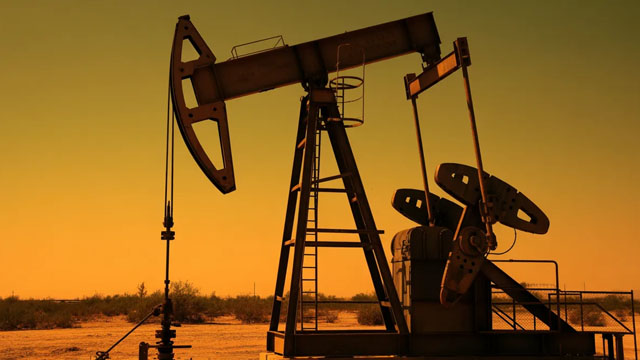
Zephyr Energy pushed its Utah Paradox Basin project toward first commercial production, citing stronger drilling results and an upgraded reserves report. However, 2025 revenue fell to $13.9M from $24.3M and gross profit declined to $2.5M from $7.2M, indicating production-portfolio weakness despite progress on the investment case.
The market is likely to look past the reserve narrative and focus on whether this business can convert subsurface value into self-funded barrels without leaning on the equity market. For a microcap E&P, the critical valuation driver is not headline reserves but the probability-weighted dilution path: every month of delay before first commercial production increases the discount rate applied to the asset and raises the chance that capex is financed with discounted paper rather than operating cash flow.
Near term, any bounce is likely to be sentiment-driven and fragile. The first 1-3 month catalyst window is operational: initial volumes, decline rates, and whether netbacks clear the implied break-even after gathering, transport, and completion costs. If management has to tap capital again before proving repeatable production, the reserve upgrade becomes a secondary headline and the stock should trade more like an optionality vehicle than a cash-generating producer.
The second-order winners are stronger balance-sheet E&Ps and basin service names with real drilling budgets; they can absorb commodity volatility without needing a de-risking story to finance them. The losers are equity holders in pre-scale names like ZPHRF, where any success can paradoxically suppress upside if it arrives with dilution, warrant overhang, or a partner-level farmout at a low valuation. Over 6-18 months, the stock only rerates if commercial output proves repeatable and funding requirements shrink materially.
The contrarian case is that the market may be underestimating strategic value if the Paradox Basin asset can be shown to have a lower decline and better recoveries than the typical microcap shale package. That would create acquisition optionality, but the burden of proof is high: if first production slips, volumes disappoint, or a financing is announced on weak terms, the reserve uplift will be exposed as non-monetized paper value.
AI-powered research, real-time alerts, and portfolio analytics for institutional investors.
Request DemoOverall Sentiment
mildly negative
Sentiment Score
-0.25
Ticker Sentiment
