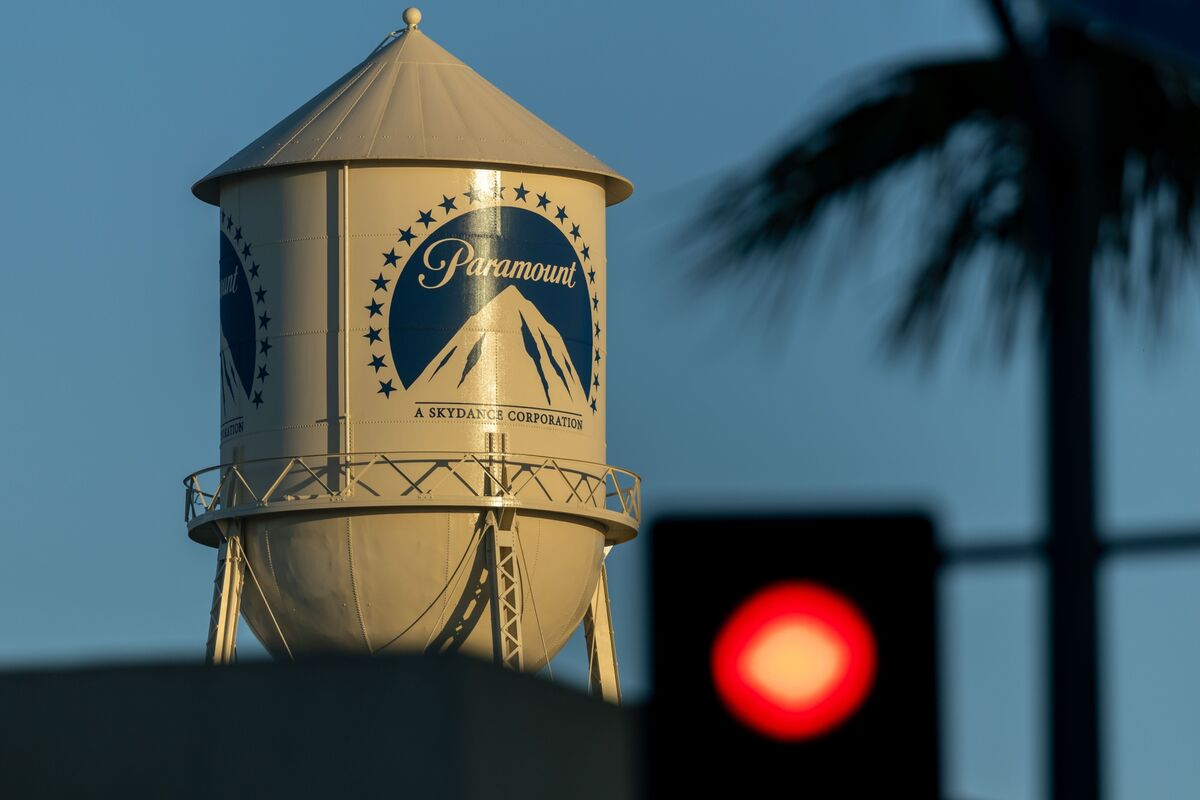
More than 1,000 Hollywood actors, directors and screenwriters have publicly opposed Paramount Skydance’s $110 billion bid for Warner Bros. Discovery, citing potential job losses and higher consumer costs. The deal is under regulatory review in the US and Europe and may face additional scrutiny in the UK, increasing antitrust and closing risk. The open letter adds reputational pressure and could complicate approval for the transaction.
This is less a headline about public-opinion optics and more a signal that the transaction’s real hurdle is political durability. A large, organized talent backlash raises the probability of a lengthier review, which is costly in two ways: it increases deal financing/hedging carry and gives competitors time to poach distributors, creators, and advertising budgets while management is distracted. For WBD, the equity risk is not just deal breakage; it is the widening of a strategic limbo discount as counterparties assume a slower path to any pro forma synergy capture. The second-order effect is on bargaining power across the content ecosystem. If regulators lean into consumer-welfare arguments, studios and streamers with smaller balance sheets can use this as leverage to resist consolidation pressure, while guilds gain a template for opposing future media combinations. That tends to favor scale-neutral names with cleaner balance sheets and less regulatory overhang relative to WBD, because capital markets will price in lower probability of forced restructuring or asset sale executions becoming fire sales. Catalyst timing matters: near term, the stock likely trades on incremental headlines from US/Europe/UK review rather than fundamentals, so the setup is a months-long volatility trade, not a one-day event. Tail risk is asymmetric if regulators demand divestitures or conditions that strip the deal’s economics; the market will then reprice WBD as a standalone asset with weaker strategic optionality. The main reversal would be a visible endorsement from antitrust staff or a concession package that preserves most of the synergy value, but that likely requires a sequence of compromises rather than a clean approval. The consensus may be underestimating how much labor and creative-community opposition can matter indirectly even when it has no formal veto. These campaigns shape the narrative regulators use to justify intervention, and they also embolden local politicians to keep the process alive. That means the short thesis in WBD is less about immediate deal math and more about rising probability of a drawn-out, value-destructive process that keeps the equity multiple capped for several quarters.
AI-powered research, real-time alerts, and portfolio analytics for institutional investors.
Request DemoOverall Sentiment
moderately negative
Sentiment Score
-0.35
Ticker Sentiment
