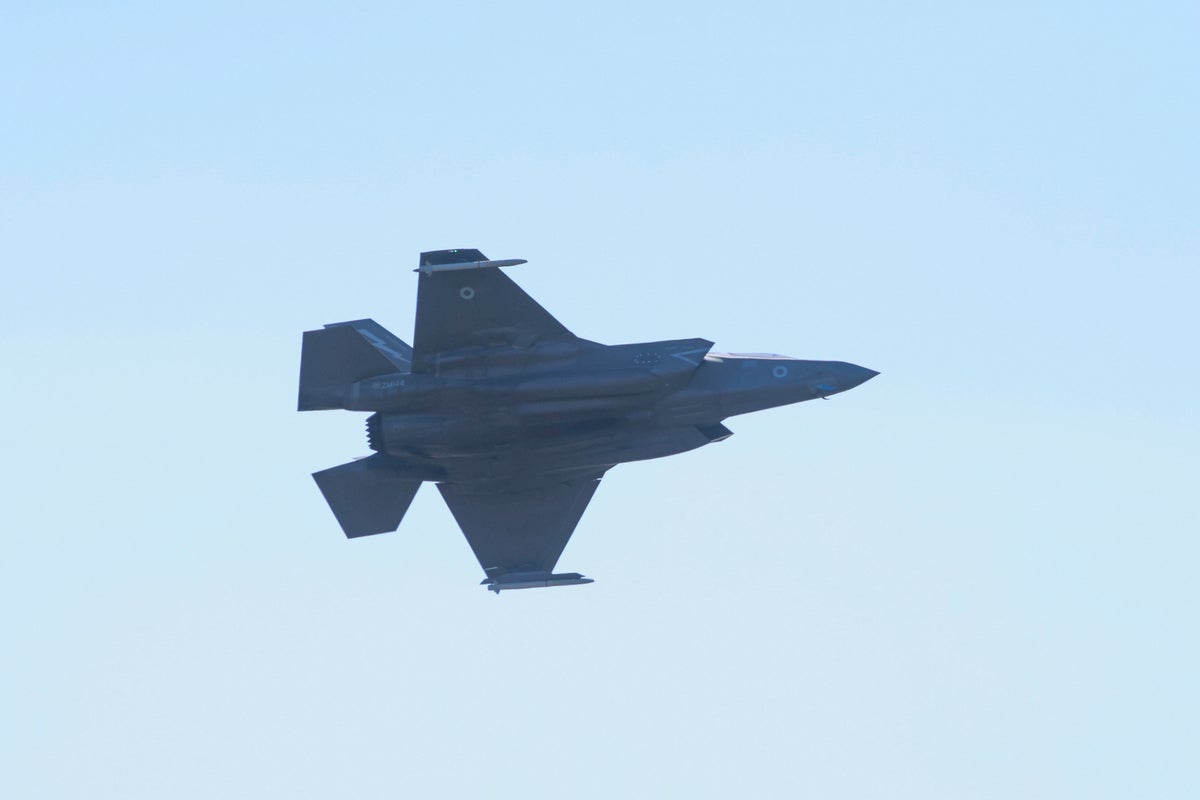
RAF Typhoon jets shot down an unmanned aerial system in defence of Jordan and intercepted a drone headed toward Bahrain; the UK has also begun defensive air sorties supporting the UAE. The UK deployed additional air-operations experts to the Gulf and positioned Wildcat helicopters in Cyprus plus a Merlin helicopter to strengthen aerial-threat detection and airspace management. These defensive actions raise regional security risk and could modestly boost interest in defence contractors and short-term risk premia for Middle East assets.
The tactical uptick in defensive air sorties and C‑UAS activity in the Gulf is an accelerant for near‑term procurement and an inventory re‑balancing across ISR, air‑defense munitions, and counter‑drone payloads. Expect stop‑gap urgent buys within 2–12 weeks (radios, EO/IR pods, C‑UAS interceptors) and firm contract awards in 3–12 months for sensors, missiles and integration work; full capacity expansion (tooling, qualified supply chains for seekers/AESA modules) will take 12–24 months and will be the real margin lever.
Prime contractors with integrated air‑defense stacks will capture the bulk of headline dollars, but second‑order beneficiaries include mid‑cap ISR/sensor vendors and niche C‑UAS specialists whose products are procurement‑ready and have short qualification cycles. Supply‑chain choke points to watch are RF semiconductors, gyro/IMU suppliers and EO detector arrays — single‑source bottlenecks that can lengthen delivery by 50–100% and push primes toward higher‑margin domestic buys.
Market moves will be staged: a quick risk premium spike in equities, insurers and shipping within days–weeks (re‑routing and war risk surcharges), then a multi‑quarter re‑rating for defense names as orderbooks firm. Reversal is straightforward — a credible de‑escalation or diplomatic backchannel could erase near‑term upside in 2–8 weeks; structural upside requires visible contract awards.
The consensus will likely overweight large primes; that’s prudent but not complete. We think event risk is better captured through select small/mid‑cap C‑UAS and ISR names and option structures that monetize binary contract announcements, rather than simply buying large caps outright at current multiples.
AI-powered research, real-time alerts, and portfolio analytics for institutional investors.
Request DemoOverall Sentiment
neutral
Sentiment Score
0.00
