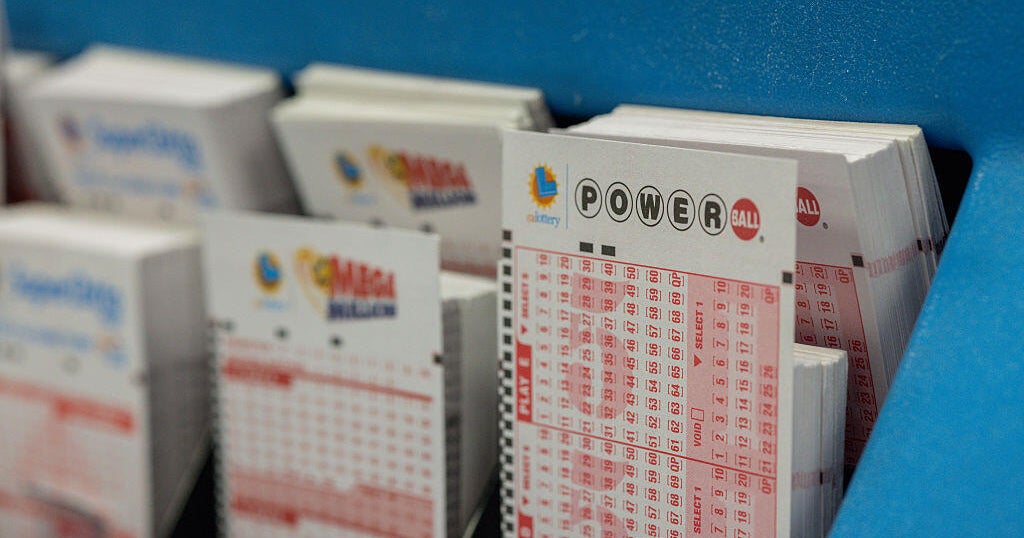
Dozens of lottery players in Pennsylvania and New Jersey won $1 million or $2 million in the April 29 Powerball drawing, while the $143 million jackpot was won in Indiana and Kansas. Of the 62 $1 million winners, 14 were from New Jersey and 5 from Pennsylvania; of the 27 $2 million winners via Power Play, 4 were from New Jersey and 2 from Pennsylvania. The article is purely informational and has no meaningful market implications.
This is not a fundamental demand shock; it is a localized liquidity event that briefly increases household cash balances in two dense retail corridors. The first-order winners are the lottery operators and convenience-store channels that benefit from incremental foot traffic, but the more interesting second-order effect is on very low-income discretionary spend: even a modest share of the prize pool recycled into near-term consumption can create an outsized but short-lived lift for local grocers, gas stations, alcohol, tobacco, and scratch-ticket channels.
The marketable insight is that these flows are ephemeral and highly concentrated in time. Historically, windfall-driven spending tends to front-load into 2-8 weeks, then normalize, so any retail beneficiary trade should be treated as a tactical flow expression rather than an earnings re-rating. The likely leakage is into debt paydown and savings, which means the actual spend-through to public companies is far smaller than headline lottery totals suggest.
Contrarianly, the biggest beneficiary may be not the retailers near the winners but the state lottery ecosystem itself: after visible jackpot headlines, participation often spikes for days to weeks as consumers overestimate probability and anchor on recent wins. That supports a short-duration positive impulse for convenience-store commissions and ticket volume, but it also raises the odds of margin-dilutive promotional behavior from regional lottery networks. The trade is therefore about transient engagement, not durable demand.
On the risk side, if consumer sentiment deteriorates or credit stress tightens, the windfall effect will be mostly absorbed by balance sheet repair rather than incremental consumption, muting any retail upside. The catalyst window is immediate and measured in days to a few weeks; by one quarter, any measurable impact should have washed out unless broader regional spending trends were already improving.
AI-powered research, real-time alerts, and portfolio analytics for institutional investors.
Request DemoOverall Sentiment
neutral
Sentiment Score
0.05
