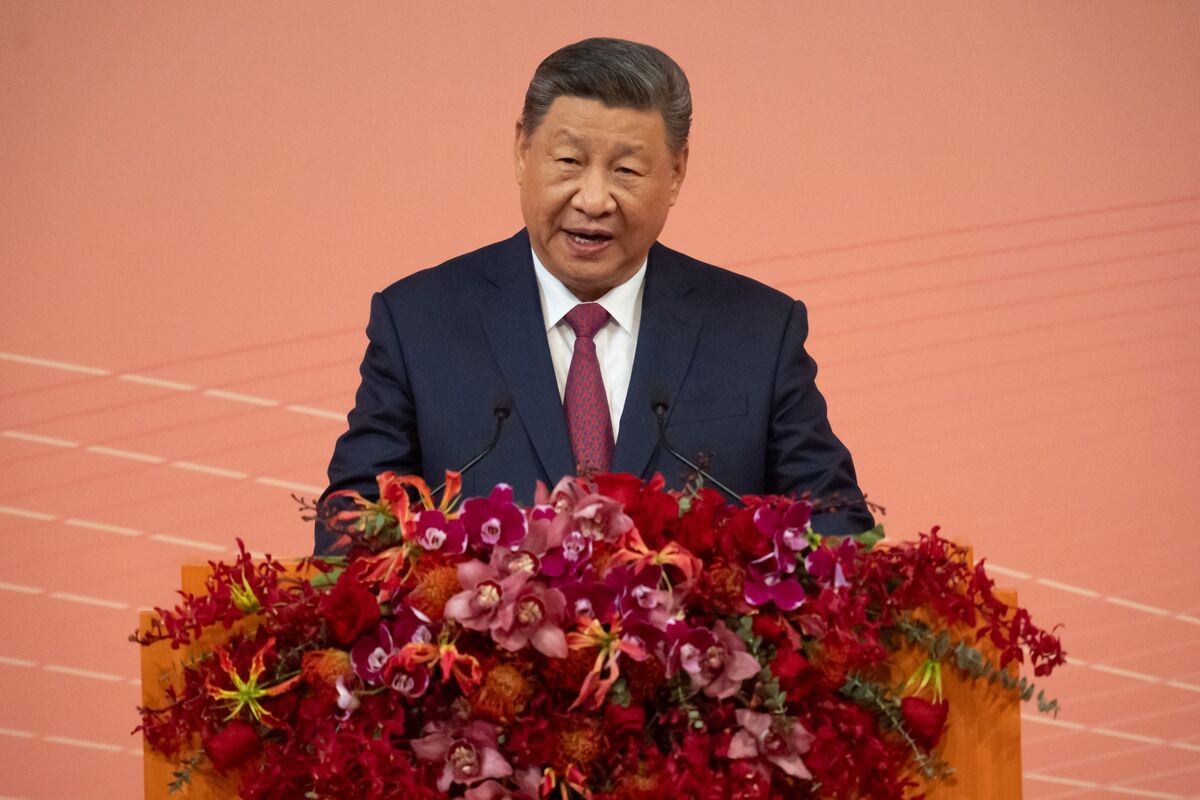
Despite condemning Israel's actions and calling for de-escalation, President Xi Jinping has not offered Iran material support beyond maintaining normal trade relations, even as the country faces heightened military pressure; this approach mirrors China's stance toward Russia, suggesting a reluctance to provide direct military assistance despite diplomatic alignment.
China's response to the Israeli assault on Iran reveals a distinct diplomatic strategy: strong condemnation of Israel and persistent calls for de-escalation, yet a notable absence of commitment to provide material or military support to Tehran beyond existing trade relations. President Xi Jinping's administration is continuing its normal trading activities with Iran but has signaled no intent to supply weapons or other significant aid, a policy that mirrors its approach towards Russia. This position is maintained even as Iran reportedly faces its most critical military test in decades, highlighting Beijing's cautious navigation of severe geopolitical pressures. While China publicly advocates for dialogue involving the US and other nations to prevent the regional situation from worsening, its actions indicate a primary focus on its own strategic and economic interests, avoiding direct entanglement in escalating conflicts and limiting its role to a diplomatic de-escalator rather than a provider of substantial backing.
AI-powered research, real-time alerts, and portfolio analytics for institutional investors.
Request DemoOverall Sentiment
mildly positive
Sentiment Score
0.25
